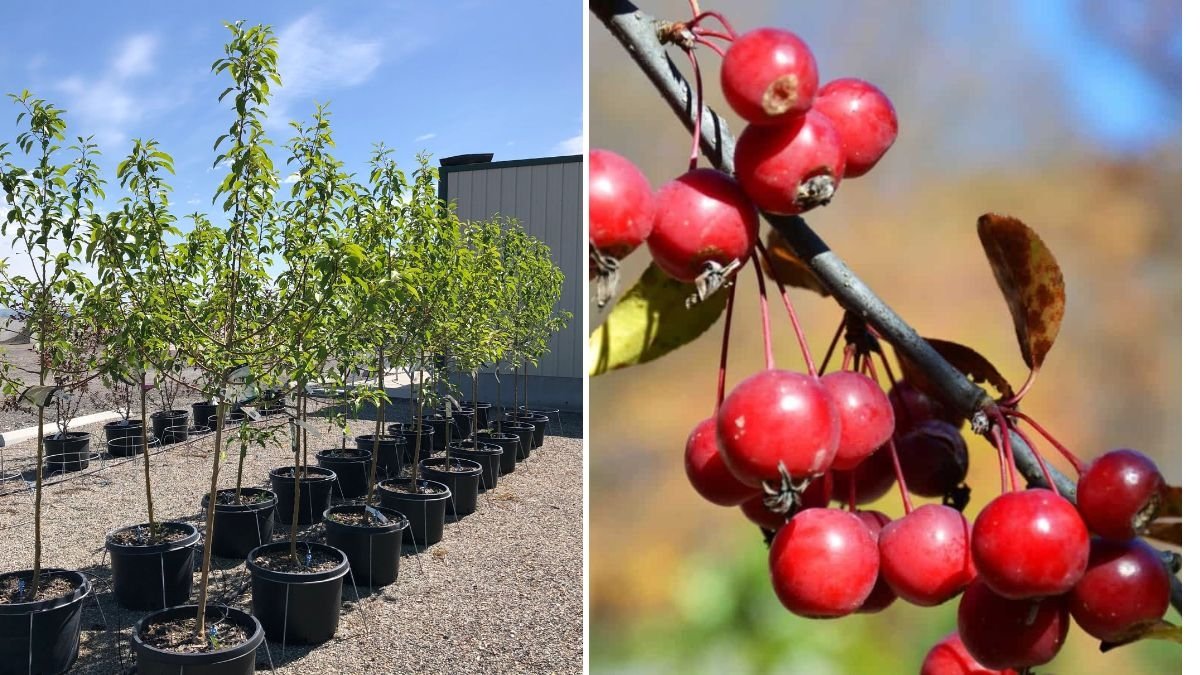
When it comes to combining ornamental beauty with practical benefits, flowering crabapple trees stand out as one of the most charming additions to any garden or landscape. Known for their spectacular spring blooms, vibrant fall fruit, and elegant form, crabapples are loved by gardeners for their year-round appeal.
Among the many varieties, the Petitti crabapple—celebrated for its compact growth, disease resistance, and heavy blooming—is a true garden gem. Whether you’re planning to enhance your front yard or create a colorful orchard backdrop, learning how to grow and care for flowering crabapple trees will help you achieve stunning results.
This guide highlights everything you need to know—from planting and pruning to pest control and seasonal care—so you can enjoy a thriving, show-stopping crabapple tree.
1. Introduction to Crabapple Trees

Crabapples (Malus spp.) are small to medium-sized deciduous trees that belong to the Rosaceae family, the same family as apples, pears, and cherries. What sets crabapples apart from ordinary apples is their fruit size—crabapples produce smaller fruits, typically less than two inches in diameter, but they make up for it with ornamental beauty and resilience.
In spring, crabapple trees burst into life with abundant pink, red, or white blossoms, attracting pollinators and adding charm to gardens. As the seasons change, the blossoms give way to miniature fruits that persist into winter, providing a valuable food source for birds.

2. The PETITTI Crabapple Spotlight

The Petitti crabapple, often highlighted in professional garden centers and home landscapes, is valued for its compact size, exceptional flowering, and disease resistance. It’s ideal for smaller gardens or urban areas where space is limited but beauty is a priority.
Key Features of Petitti Crabapple:
- Height & Spread: 15–20 feet tall and wide
- Blossoms: Deep pink or rosy-red in spring
- Fruit: Small, glossy red crabapples that persist through fall and winter
- Foliage: Green turning to golden or bronze-red in autumn
- Growth Habit: Rounded, symmetrical canopy
- Resistance: High tolerance to common crabapple diseases like apple scab and fire blight
This tree not only adds ornamental charm but also supports pollinators, birds, and biodiversity, making it a smart and eco-friendly landscape choice.
3. Choosing the Right Location

Crabapple trees thrive best when planted in a location that meets their sunlight and soil needs. Proper placement ensures healthy growth and an abundance of flowers.
Ideal Conditions:
- Sunlight: Full sun (at least 6–8 hours daily) is crucial for vibrant blooms and strong fruiting.
- Soil Type: Well-drained loam or sandy soil enriched with organic matter.
- Soil pH: Slightly acidic to neutral (6.0–7.0).
- Air Circulation: Good airflow helps prevent fungal diseases.
Avoid planting in low-lying areas that collect standing water, as crabapples dislike soggy roots.
4. How to Plant a Crabapple Tree

Planting your Petitti crabapple tree properly from the start is key to long-term success.

Best Time to Plant:
- Early spring or fall when temperatures are mild and soil moisture is consistent.
Step-by-Step Planting Guide:
- Prepare the Hole:
Dig a hole twice as wide as the tree’s root ball and about the same depth. - Amend the Soil:
Mix compost or well-rotted manure into the soil to improve fertility and drainage. - Position the Tree:
Place the tree in the hole, ensuring the graft union (the bulge near the base of the trunk) sits slightly above soil level. - Backfill & Firm the Soil:
Gently fill the hole, pressing the soil to eliminate air pockets. - Water Thoroughly:
Give the newly planted tree a deep soak to settle the roots. - Apply Mulch:
Spread a 2–3 inch layer of mulch around the base to retain moisture and suppress weeds—but keep it away from direct contact with the trunk.
5. Watering and Feeding

Watering:
- Newly Planted Trees: Water deeply once or twice a week for the first growing season.
- Established Trees: Water only during extended dry spells.
Always aim for deep, infrequent watering rather than light, frequent watering to encourage deep root growth.
Feeding:
- Apply a balanced slow-release fertilizer (10-10-10) in early spring before new growth begins.
- Avoid over-fertilizing, as too much nitrogen can reduce flowering and make the tree more susceptible to disease.
- Supplement with organic compost or mulch annually to maintain healthy soil structure.
6. Pruning and Shaping
Pruning crabapple trees not only maintains their shape but also encourages flowering and prevents disease.
When to Prune:
- Late winter or early spring, before new buds emerge.
How to Prune:
- Remove dead, diseased, or damaged branches first.
- Thin out crowded or crossing branches to improve air circulation.
- Maintain a balanced, rounded shape while allowing sunlight to reach the inner canopy.
- Cut back water sprouts or suckers that emerge from the base.
Never prune heavily during summer or fall, as this may stimulate tender new growth that can be damaged by winter frost.
7. Flowering and Pollination
Crabapple trees are renowned for their fragrant, colorful blossoms that appear in spring. These flowers not only beautify your garden but also play an essential role in pollination.
Most crabapple varieties are self-fertile, meaning they can produce fruit on their own. However, planting more than one tree nearby enhances cross-pollination and results in heavier fruit sets.

Bees and other pollinators are naturally drawn to crabapple blooms, making them a beneficial addition to any garden ecosystem.
8. Common Pests and Diseases
While the Petitti crabapple variety is known for its strong disease resistance, it’s still important to stay vigilant.
Common Pests:
- Aphids: Small insects that suck sap from new growth. Control with neem oil or insecticidal soap.
- Japanese Beetles: Feed on leaves and flowers; handpick or use organic traps.
- Spider Mites: Appear during hot, dry weather; control with a strong water spray or horticultural oil.
Common Diseases:
- Apple Scab: Causes dark, scabby patches on leaves and fruit. Use resistant varieties and prune for airflow.
- Fire Blight: Bacterial disease that causes branches to blacken. Prune affected areas immediately.
- Cedar-Apple Rust: Orange spots on leaves; avoid planting near cedar trees to reduce risk.
Regular pruning, proper spacing, and good sanitation will keep most issues under control.
9. Seasonal Care and Maintenance
Each season brings specific care tasks to keep your crabapple tree healthy and beautiful.
Spring:
- Fertilize before new growth.
- Prune if necessary.
- Monitor for pests as buds form.
Summer:
- Water deeply during dry spells.
- Thin excess fruit to prevent limb stress.
- Watch for early signs of leaf diseases.
Autumn:
- Rake fallen leaves to reduce disease risks.
- Apply a fresh layer of mulch before frost.
- Enjoy the stunning color display!
Winter:
- Protect young trees from frost by wrapping the trunk with burlap or tree guards.
- Avoid heavy pruning until late winter.
10. Harvesting and Using Crabapples
While many plant crabapple trees for ornamental reasons, the small fruits are surprisingly versatile.

Harvesting:
Crabapples ripen in late summer to early autumn. The fruits are ready when they turn bright red, yellow, or orange and feel firm yet slightly soft to the touch.
Uses:
- Culinary: Ideal for making jelly, jam, syrup, and cider due to their high pectin content.
- Wildlife: Birds, squirrels, and deer love the fruit.
- Decorative: Use the colorful fruit in wreaths or centerpieces.
With their tangy-sweet flavor, crabapples can even be used in baked goods or chutneys when cooked with sugar.
11. Landscaping and Design Tips
The Petitti crabapple isn’t just a fruit tree—it’s a living artwork in any landscape design.
Design Ideas:
- Front Yard Accent: Plant as a standalone focal point near pathways or entryways.
- Garden Borders: Combine with lilacs, spireas, or ornamental grasses for a layered look.
- Wildlife Gardens: Mix with berry shrubs to attract birds and pollinators.
- Espalier Style: Train against a wall or fence for a decorative, space-saving feature.
Because of its compact size and elegant canopy, the crabapple is perfect for both formal and cottage-style gardens.
12. Health and Environmental Benefits
Crabapple trees offer more than just beauty—they contribute to a healthier environment.

- Air Purification: Absorb carbon dioxide and release oxygen.
- Pollinator Support: Attract bees and butterflies during flowering season.
- Erosion Control: Their root systems stabilize soil in sloped areas.
- Biodiversity: Provide shelter and food for birds and beneficial insects.
By planting a Petitti crabapple tree, you’re not just beautifying your garden—you’re supporting local ecology.
13. Final Thoughts
Growing a Petitti flowering crabapple tree is an immensely rewarding experience. With its stunning spring blossoms, colorful fruit, and low-maintenance nature, it offers four seasons of beauty and enjoyment.
From selecting the right location to pruning and caring for it through the years, each step ensures your tree remains healthy, vibrant, and productive. Whether your goal is to create a breathtaking focal point, attract wildlife, or harvest homemade crabapple jelly, this tree delivers it all.
So, bring the elegance of the Petitti crabapple into your garden—and watch as it transforms your landscape with its timeless charm and natural abundance year after year.

Leave A Comment