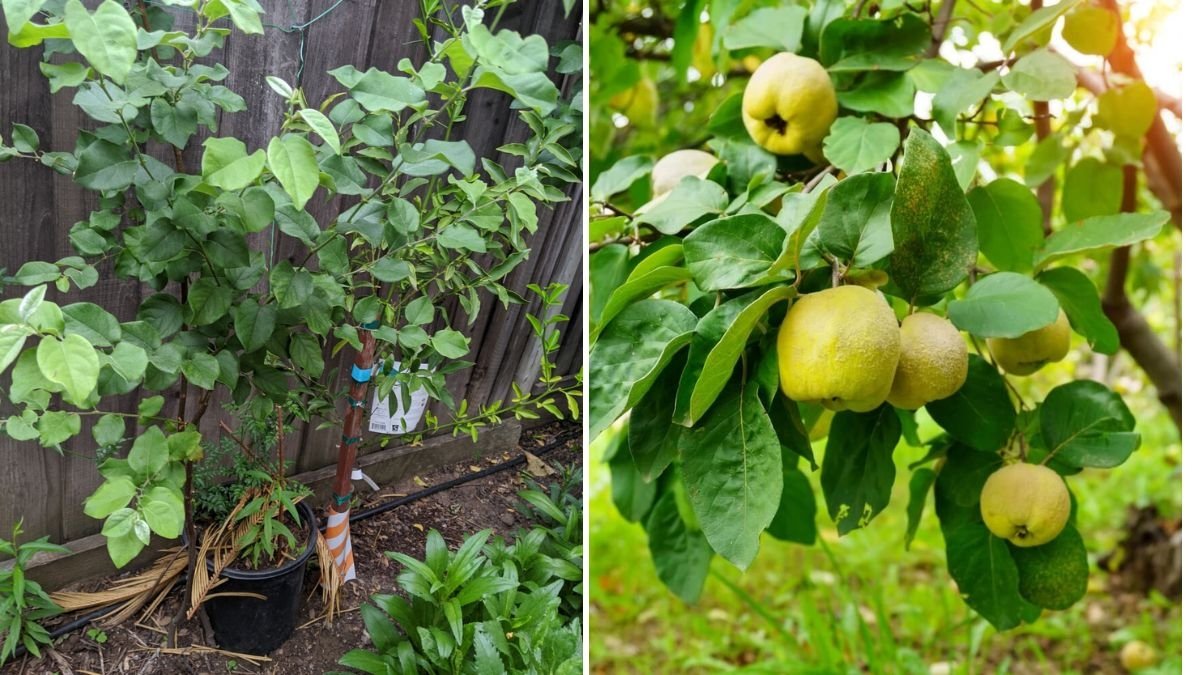
The quince tree (Cydonia oblonga) is one of the oldest cultivated fruit trees in the world, admired for its fragrant blossoms, ornamental beauty, and golden-yellow fruits that fill the autumn air with a delicate aroma. Often overlooked in modern gardens, the quince is a hidden gem — hardy, productive, and deeply rewarding.
Whether you want to grow it for its ornamental value or to enjoy its flavorful fruits in jellies, jams, or baked dishes, learning how to properly plant, grow, prune, and harvest a quince tree is key to success. This guide provides everything you need to know, step by step, to cultivate a thriving quince tree right in your garden.
1. Introduction to Quince Trees

The quince tree belongs to the Rosaceae family, making it a relative of apples and pears. Originating in the warm regions of Southwest Asia and the Caucasus, quince trees have been cultivated for thousands of years. The ancient Greeks and Romans regarded the quince as a symbol of love and fertility, often presenting it at weddings.
Quince trees are small to medium-sized, growing up to 4–6 meters (13–20 feet) tall with spreading branches, oval leaves, and stunning pink-white flowers that bloom in spring. The fruit, though hard and astringent when raw, turns tender and aromatic when cooked, releasing its unique floral flavor.
2. Choosing the Right Variety

There are several cultivated varieties of quince, and choosing the right one for your climate and taste preferences makes a big difference.

Popular Quince Varieties:
- ‘Champion’ – Early ripening variety, high yield, and excellent for jellies.
- ‘Smyrna’ – Produces large, aromatic fruits with strong flavor.
- ‘Vranja’ – Vigorous and reliable, known for large, pear-shaped fruits.
- ‘Leskovac’ – Serbian variety with high sugar content, ideal for preserves.
- ‘Aromatnaya’ – Russian variety that can be eaten raw when fully ripe.
Choose a variety suited to your local climate — most quinces thrive in temperate to warm regions with well-defined seasons.
3. Ideal Growing Conditions

Quince trees are adaptable but perform best under the right conditions.
Climate
Quinces prefer temperate climates with cold winters and warm summers. They need a period of winter chill to set fruit but can tolerate mild frost once established. Extreme heat or prolonged drought, however, can affect fruit quality.
Soil
- Well-drained loamy soil enriched with organic matter is ideal.
- pH range: 6.0–7.5 (slightly acidic to neutral).
- Avoid heavy clay or waterlogged soil, which can cause root rot.
Sunlight
Plant quince trees in full sun — at least 6–8 hours of sunlight daily ensures healthy growth and fruit ripening.
4. How to Plant a Quince Tree

Proper planting lays the foundation for a strong, productive quince tree.

When to Plant
- Bare-root trees: Plant during the dormant season (late winter to early spring).
- Container-grown trees: Can be planted any time of the year, though spring is ideal.
Step-by-Step Planting Guide
- Prepare the Site:
Choose a sunny, sheltered spot away from strong winds. - Dig the Hole:
Make a hole about twice the width and the same depth as the tree’s root ball. - Improve the Soil:
Mix compost or well-rotted manure into the dug-out soil to improve fertility. - Planting the Tree:
Position the tree so that the graft union (the swollen area on the lower stem) is above the soil line. - Backfill and Water:
Refill the hole gently, firm the soil around the roots, and water thoroughly. - Mulching:
Apply a layer of organic mulch (like straw or wood chips) around the base to retain moisture and suppress weeds.
5. Watering and Feeding

Watering
Quince trees need consistent moisture, especially during their first two years.
- Young Trees: Water deeply once or twice a week.
- Mature Trees: Water during dry spells and fruit formation.
Avoid overwatering — soggy roots can lead to fungal diseases.
Fertilizing
Feed quince trees in early spring before new growth starts.
- Apply a balanced organic fertilizer or compost around the base.
- Repeat a light feed after fruit set to boost fruit development.
Avoid excessive nitrogen — it promotes leafy growth instead of fruiting.
6. Pruning a Quince Tree
Pruning plays a vital role in shaping the quince tree, improving sunlight penetration, and encouraging fruit production.

When to Prune
- Main pruning: During late winter or early spring, when the tree is dormant.
- Light trimming: In summer, to remove water sprouts or suckers.
How to Prune
- Shape Young Trees:
In the first few years, establish an open-center or vase shape to allow sunlight and air circulation. - Remove Dead Wood:
Cut away any dead, diseased, or crossing branches. - Encourage Fruiting Spurs:
Shorten long shoots to encourage the formation of fruiting spurs — the short branches that bear flowers and fruits. - Thin Crowded Growth:
Remove excess branches to prevent fungal problems and improve fruit quality.
A well-pruned quince tree is not only healthier but also easier to harvest and manage.
7. Pest and Disease Management
Quince trees are relatively hardy but can be affected by certain pests and diseases if not properly cared for.
Common Problems
- Fire Blight: A bacterial disease that causes blackened shoots and twigs. Prune and destroy affected parts immediately.
- Leaf Blight: Fungal infection causing brown spots; improve air circulation and avoid overhead watering.
- Codling Moth and Aphids: These pests may attack young fruits and leaves. Use organic insecticidal soap or neem oil to control infestations.
Preventive Tips
- Keep the area around the tree clean and weed-free.
- Prune regularly to improve airflow.
- Mulch to retain soil moisture and prevent weed competition.
8. Flowering and Pollination
Quince trees produce beautiful white to pink blossoms in late spring. Most modern varieties are self-fertile, meaning they can set fruit on their own. However, planting more than one tree can enhance fruit size and yield due to cross-pollination by bees and other insects.
9. Harvesting Quince Fruit
Patience pays off when it comes to harvesting quinces. The fruits usually take 5–6 months to mature after flowering.
When to Harvest
- Harvest in late autumn (October–November) when fruits turn golden yellow and emit a strong fragrance.
- The fruits should be firm but fully colored.
How to Harvest
- Cut or gently twist fruits from the branch to avoid damaging the tree.
- Handle them carefully, as bruising shortens storage life.
After Harvest
Fresh quinces can be stored in a cool, dry place for several weeks. Over time, their fragrance intensifies. You can also wrap individual fruits in paper and store them in a crate for winter use.

10. Culinary Uses of Quince
Though too hard and sour to eat raw, cooked quince transforms into a rich, aromatic delight. When simmered, the flesh turns pinkish-red and develops a sweet, floral flavor.
Popular Uses:
- Quince Jelly and Jam: The high pectin content makes quince perfect for making clear, aromatic jellies.
- Baked or Poached Quince: A classic dessert served with cream or yogurt.
- Quince Paste (Membrillo): A traditional Spanish delicacy often paired with cheese.
- Syrups and Compotes: Adds a tangy sweetness to beverages or desserts.
11. Propagation of Quince Trees
You can grow quince trees through seeds, cuttings, or grafting.
By Seeds:
Collect seeds from ripe fruits, clean, and stratify them (chill for 8–10 weeks) before sowing in spring. Seed-grown trees may take longer to fruit.
By Cuttings:
Hardwood cuttings taken in late autumn can root easily under proper care. This method helps maintain the characteristics of the parent plant.
By Grafting:
Most commercial trees are grafted onto rootstocks like quince A or C, which control tree size and improve fruiting.

12. Health Benefits of Quince
Quince fruit is not only delicious but also packed with nutrients and medicinal properties.
- Rich in Vitamin C: Boosts immunity and skin health.
- High in Fiber: Supports digestion and helps regulate cholesterol.
- Antioxidant Properties: Contains phenolic compounds that combat free radicals.
- Anti-inflammatory: Traditionally used to soothe sore throats and stomach ailments.
Consuming quince in moderation contributes to overall well-being and strengthens the immune system.
13. Final Thoughts
The quince tree is a treasure of the orchard — a symbol of beauty, resilience, and abundance. With its fragrant blossoms in spring, golden fruits in autumn, and culinary versatility, it truly deserves a place in every garden.
Learning how to plant, grow, prune, and harvest a quince tree connects you to centuries of horticultural tradition. With a little care and patience, your quince tree will reward you year after year with fragrant blossoms and golden, aromatic fruit — a gift of nature that bridges the past and the present.

Leave A Comment