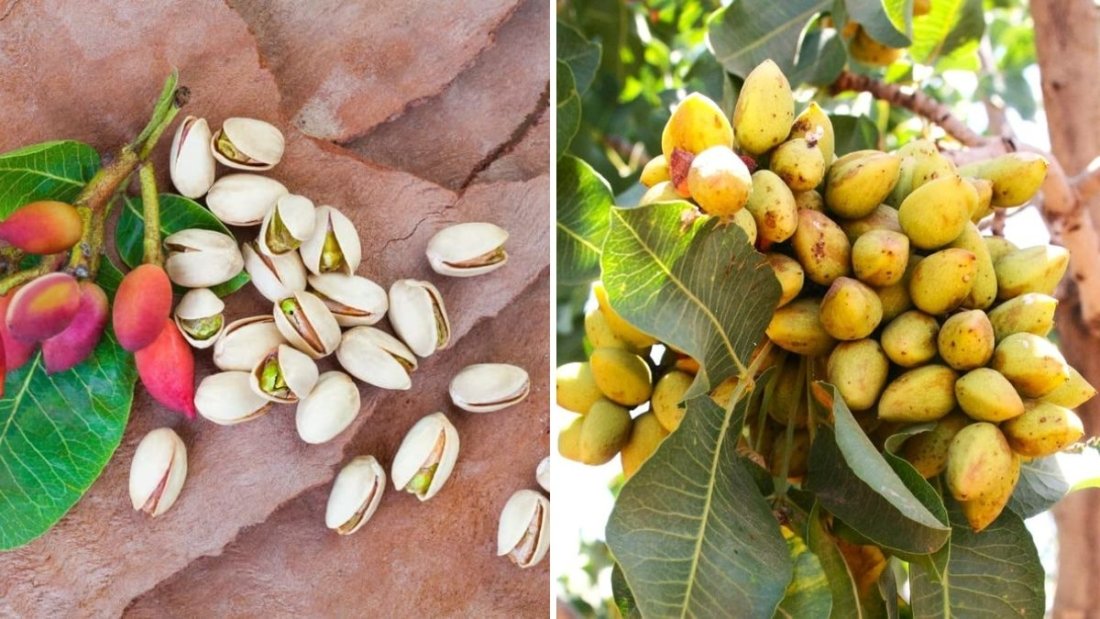
Grow Pistachio Tree from Grocery Pistachios | Seed Germination Results and Complete Growing Guide

Grow Pistachio Tree from Grocery Pistachios | Seed Germination Results and Complete Growing Guide

Have you ever looked at a handful of pistachios and wondered, “Can I actually grow a pistachio tree from these?” The answer is — yes, it’s possible! Growing a pistachio tree from grocery store nuts is not only fascinating but also incredibly rewarding. Although pistachio trees require patience, the journey from seed to sapling offers an unforgettable gardening experience.

In this detailed guide, you’ll learn how to grow pistachios from store-bought nuts, the right germination techniques, how to care for the seedlings, and what to expect as your pistachio tree matures. Let’s get started!


1. Understanding the Pistachio Tree
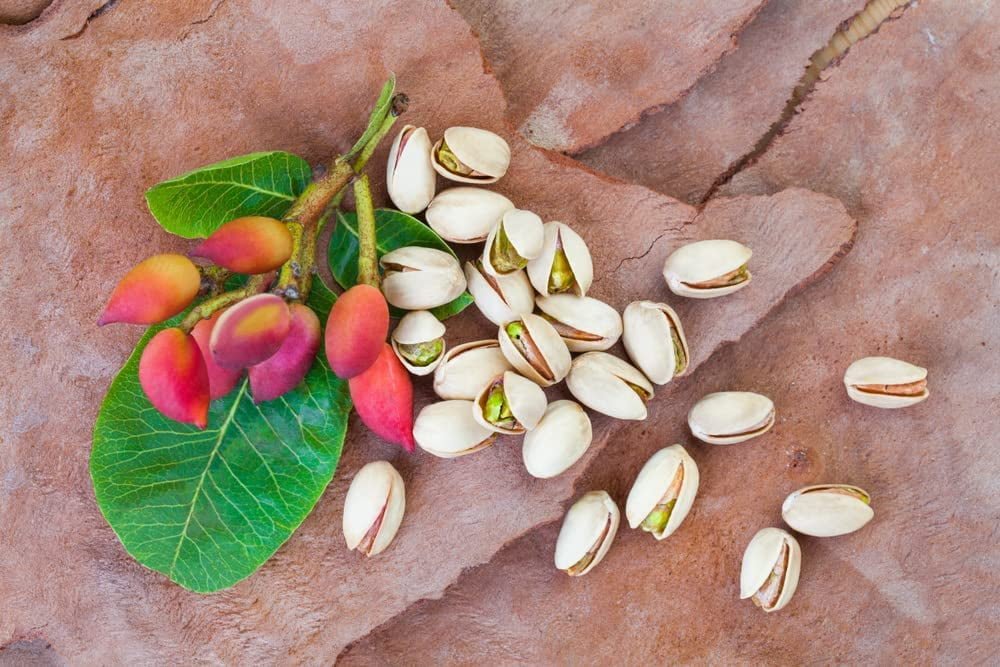
The pistachio tree (Pistacia vera) is a deciduous tree native to the Middle East and Central Asia. It belongs to the cashew family (Anacardiaceae), and it thrives in hot, arid climates with long summers and cold winters — conditions similar to those found in California, Iran, or parts of India.

A mature pistachio tree can grow 20–30 feet tall and live for 100 years or more. However, pistachios have a unique requirement: they are dioecious, meaning male and female flowers grow on separate trees. You’ll need both a male and a female tree for pollination and nut production.


2. Can You Really Grow Pistachios from Store Nuts?
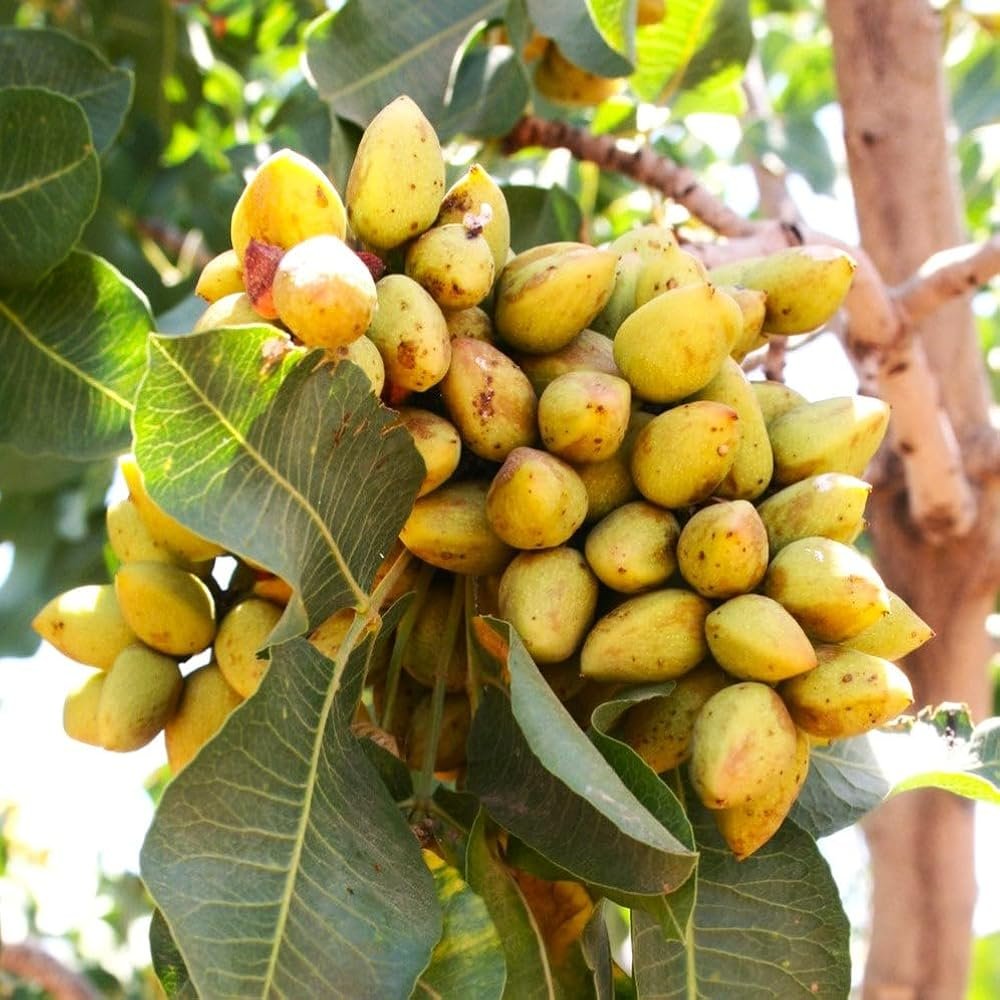
You can, but with some important conditions. Most pistachios sold in stores are roasted and salted, which destroys their ability to germinate. To grow pistachios successfully, you must use raw, unsalted, and unroasted pistachios — preferably organic.

Tip: Look for raw pistachios labeled “in shell” at organic stores or online seed suppliers.

Once you have viable nuts, the next step is preparing them for germination.


3. Preparing Pistachio Seeds for Germination

Pistachio seeds have a hard shell and natural dormancy that must be broken before they can sprout. Follow these steps carefully to ensure success:

Step 1: Select and Test the Seeds

Choose large, undamaged, raw pistachios still in their shells. To test viability:

  • Soak the nuts in water for 24 hours.
  • Discard any nuts that float, as they are likely hollow or non-viable.
  • Keep the ones that sink, as they’re likely to germinate.

Step 2: Crack the Shells Slightly

Use a nutcracker or pliers to gently crack the shells, but don’t damage the inner seed. This helps moisture penetrate and speeds up germination.

Step 3: Soak the Seeds

After cracking, soak the seeds again in lukewarm water for 24–48 hours to soften them and trigger germination.

Step 4: Stratification (Cold Treatment)

Pistachios require cold stratification to mimic winter dormancy.

  • Wrap the soaked seeds in a damp paper towel or sphagnum moss.
  • Place them in a resealable plastic bag.
  • Store the bag in the refrigerator (not freezer) for 6–8 weeks.
  • Keep the towel moist (not wet) throughout this period.

You may begin to see small root tips emerging toward the end of stratification — a good sign your seeds are waking up.


4. Germinating the Pistachio Seeds
After the cold treatment, it’s time to plant!

Step 1: Prepare the Soil Mix

Use a well-draining mix such as:

  • 40% garden loam or compost
  • 30% sand or perlite
  • 30% coco peat or peat moss

This mix prevents waterlogging, which pistachio roots dislike.

Step 2: Planting

  • Fill small pots or seed trays with the mix.
  • Plant each seed about 1 inch deep, with the root tip facing down.
  • Water lightly to moisten the soil.

Step 3: Ideal Germination Conditions

  • Maintain a temperature between 25–30°C (77–86°F).
  • Keep the soil consistently moist but not soggy.
  • Place the pots in a bright, warm spot with indirect sunlight.

Germination usually occurs within 2–4 weeks, though some seeds may take longer.


5. Caring for Pistachio Seedlings
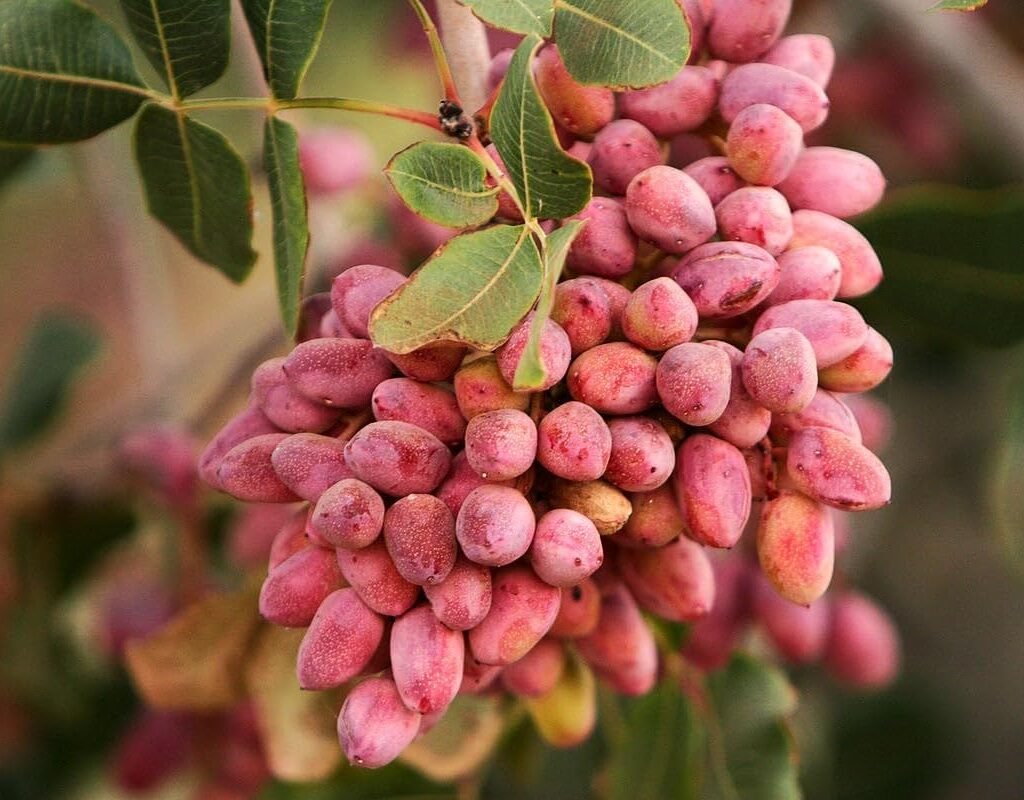
Once your pistachio seeds sprout, they’ll develop into delicate seedlings that need gentle care.

Light

After germination, move the seedlings to a sunny location. Pistachios thrive in full sun — aim for 6–8 hours of direct sunlight daily.

Watering

Keep the soil slightly moist but never waterlogged. Overwatering can lead to root rot. Allow the top inch of soil to dry before watering again.

Transplanting

When seedlings reach about 6–8 inches tall, transplant them into larger pots (at least 10–12 inches deep). Use the same well-draining soil mix. Gradually expose them to outdoor conditions (sun, wind, and temperature) to harden them off before permanent planting.


6. Growing Pistachio Trees in Pots
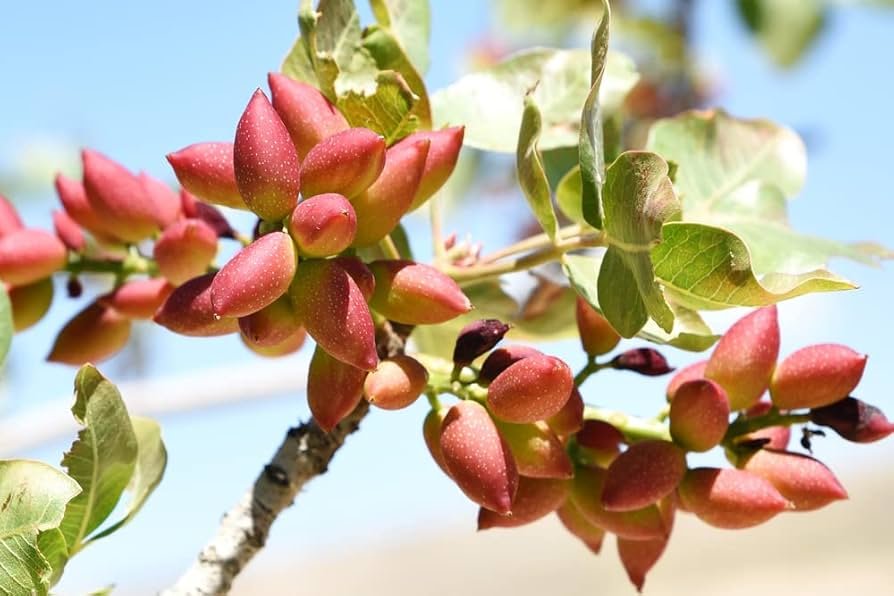
Pistachios can grow in containers if you have limited space or cold winters.

Pot Selection

Use a large pot (at least 18–24 inches deep) with good drainage holes. Clay or fabric pots are ideal as they promote air circulation around roots.

Soil

A sandy loam or cactus mix enriched with organic compost works best. Pistachios prefer slightly alkaline to neutral soil (pH 7.0–7.8).

Sunlight

Place the container where it receives full sunlight throughout the day. Insufficient light can stunt growth and reduce nut production later.


7. Fertilization and Maintenance

Fertilize young pistachio plants every 4–6 weeks during the growing season with a balanced, slow-release fertilizer (10-10-10 NPK). As they mature, switch to a fertilizer higher in potassium and phosphorus to promote flowering and fruiting.

Other tips:

  • Mulch: Apply organic mulch around the base to retain moisture.
  • Pruning: Remove weak or dead branches to shape the tree and improve airflow.
  • Pests: Watch for aphids, spider mites, or scale insects; treat with neem oil spray if needed.

8. Patience: The Key to Pistachio Harvests

Growing pistachios from seed requires patience — it’s a long-term commitment. Seed-grown trees may take 7–10 years to produce nuts, while grafted nursery trees bear fruit in about 5–6 years.

Also, remember that only female trees produce nuts, and they require pollen from a nearby male tree for fertilization. Since you won’t know the sex of your seed-grown trees until they flower, it’s best to grow at least 5–6 seedlings to increase your chances of having both male and female trees.


9. Flowering and Fruiting

Pistachios flower in spring, producing clusters of tiny flowers. Male trees produce pollen-bearing flowers, while female trees produce nut-bearing ones after pollination.

Pollination occurs through wind, so spacing trees close enough (within 20–30 feet) ensures better nut set.

Once pollinated, the nuts take 6–8 months to mature. You’ll know they’re ready when:

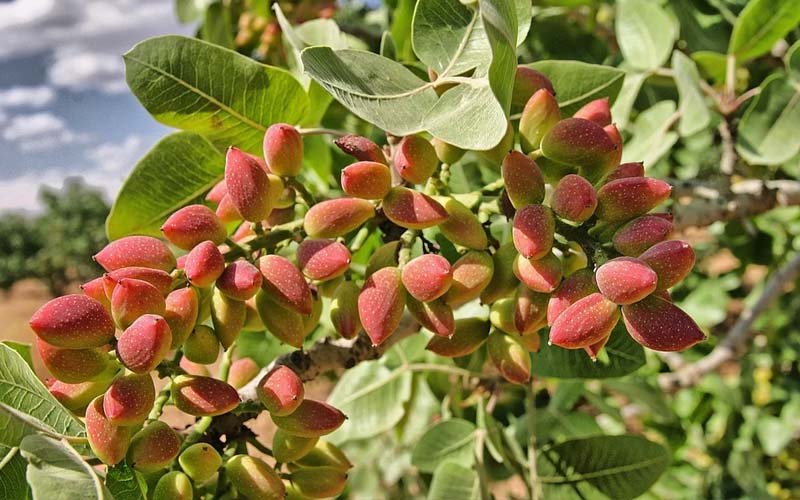
  • The hull (outer covering) turns pinkish or yellowish and starts splitting.
  • The shell inside hardens.

Harvest time usually falls between September and October in warm regions.


10. Harvesting and Drying Pistachios

  1. Shake the branches or pluck clusters by hand when the hulls split.
  2. Remove the outer hull immediately to prevent staining or mold.
  3. Spread the nuts in a single layer and air dry for 3–5 days in shade.
  4. Once dry, store in airtight containers or lightly roast them for flavor.

Properly dried pistachios can last months when stored in cool, dry conditions.


11. Germination Results and Observations

If you follow the above method, you can expect around 50–70% germination success with viable, raw pistachio seeds. Key observations include:

  • Root tips appear after 4–6 weeks of stratification.
  • Sprouts emerge within 2–3 weeks after planting.
  • Growth is initially slow but picks up once the seedlings are 3–4 months old.

Though it may take years for your tree to fruit, the satisfaction of watching it grow from a humble grocery nut into a thriving tree is priceless.


12. Final Thoughts

Growing pistachio trees from grocery store nuts may sound like an ambitious experiment, but with the right preparation and patience, it’s absolutely achievable. From selecting viable raw pistachios to germinating, transplanting, and nurturing young trees, each stage is a rewarding lesson in plant science and care.

Whether your goal is to produce your own nuts someday or simply enjoy the challenge of nurturing an exotic tree, the process offers an exciting, hands-on experience.

So next time you grab a handful of pistachios, save a few raw ones — they just might grow into something extraordinary!
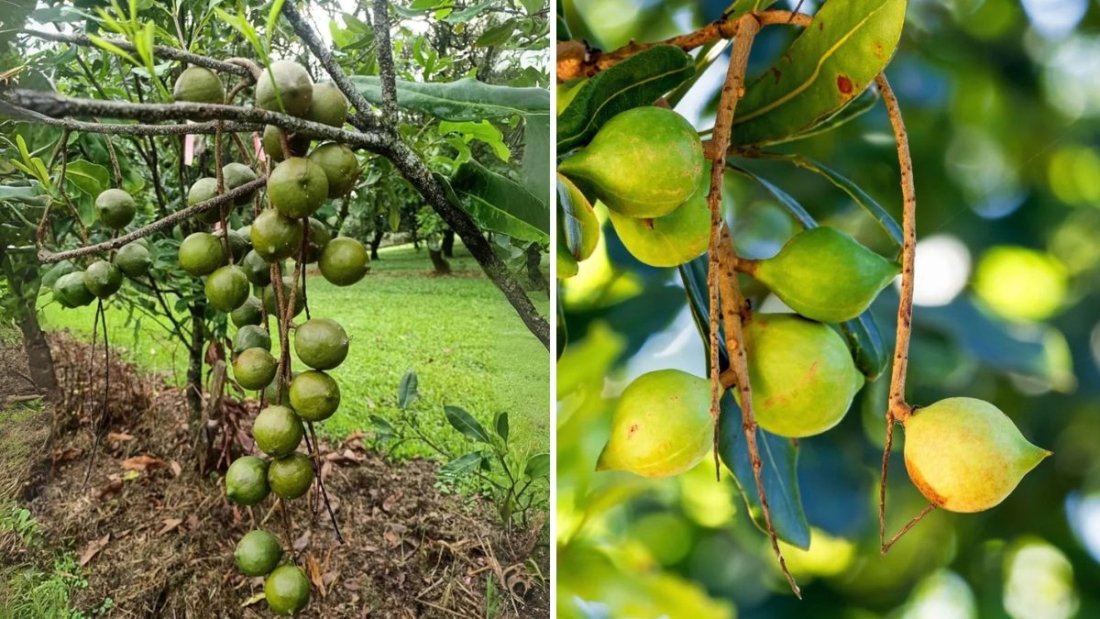
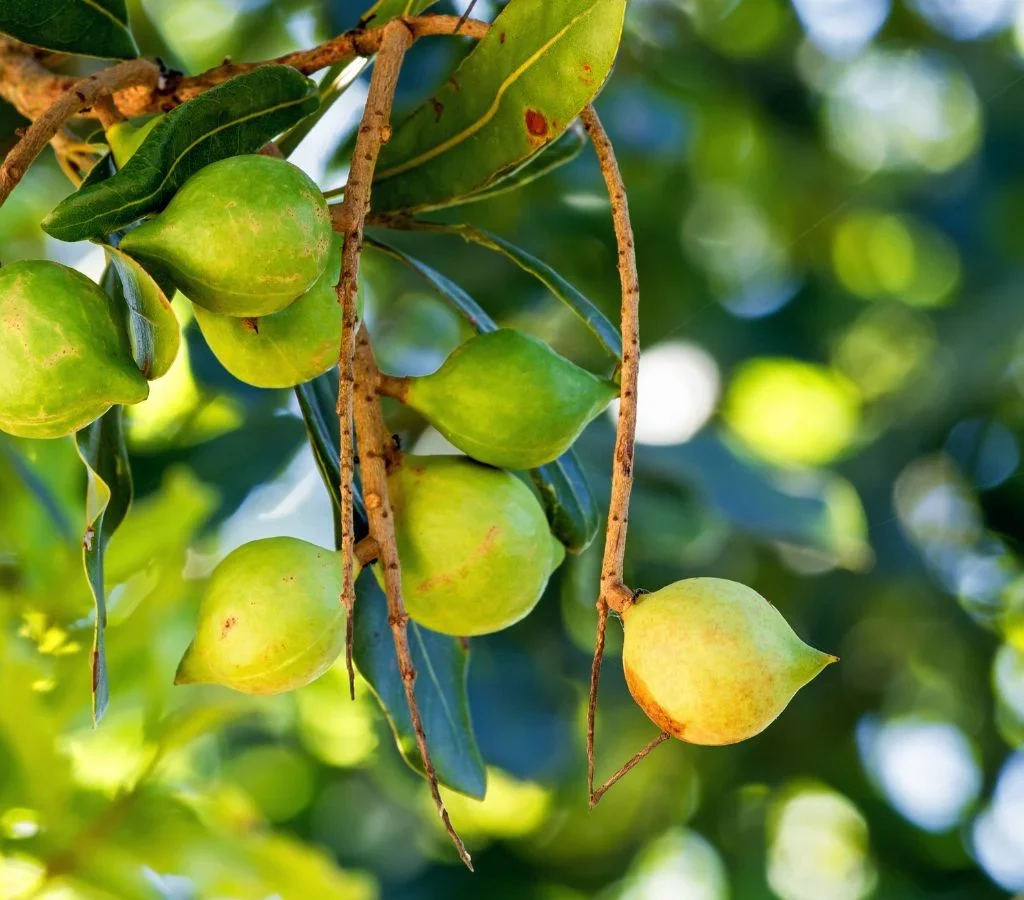
Growing Macadamia Nuts at Home Is EASY — Once You Know These Secrets!

Growing Macadamia Nuts at Home Is EASY — Once You Know These Secrets!

If you’ve ever tasted the buttery crunch of a macadamia nut, you’ve likely wondered: Can I grow this at home? The good news is — yes, you absolutely can! Growing macadamia nuts at home isn’t as difficult as it sounds, and once you understand the basic requirements, your backyard (or even a large pot) can turn into a mini macadamia grove. Let’s dive into how to successfully grow, care for, and harvest your very own macadamia nuts — right from home.


1. Understanding the Macadamia Tree

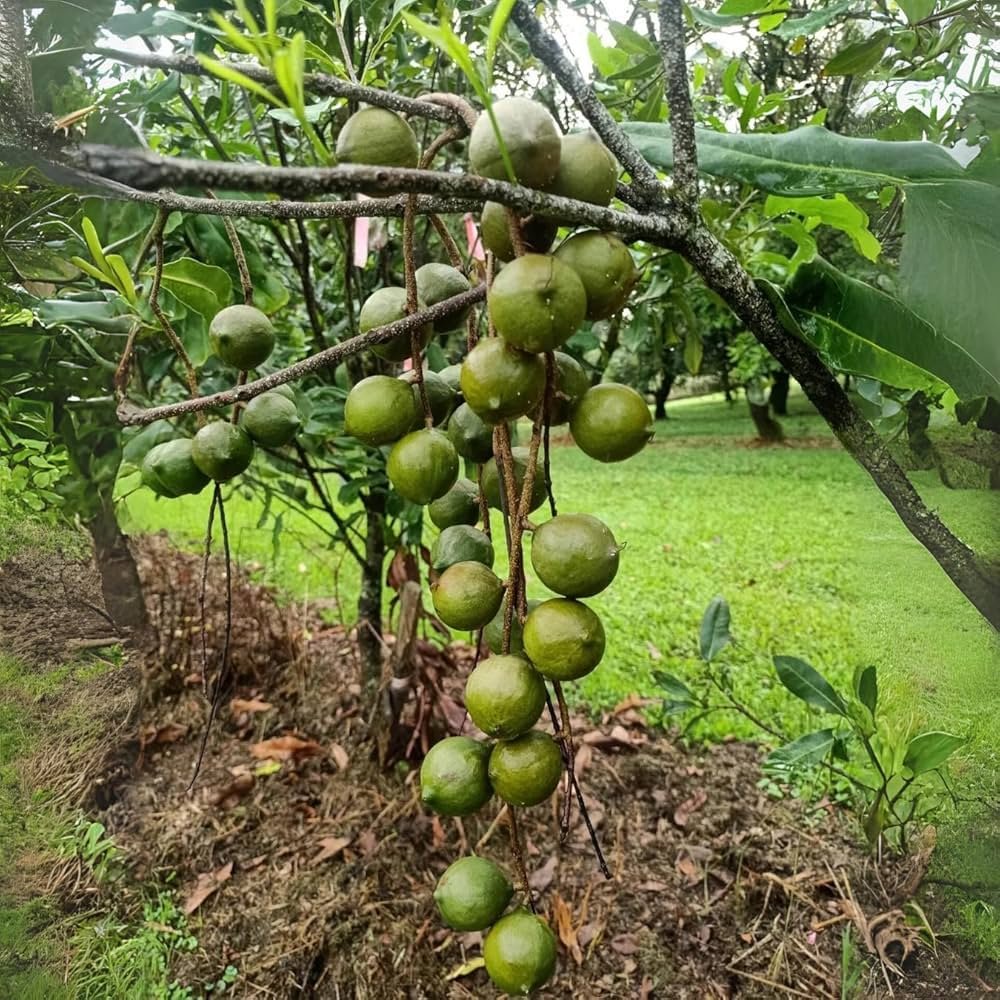
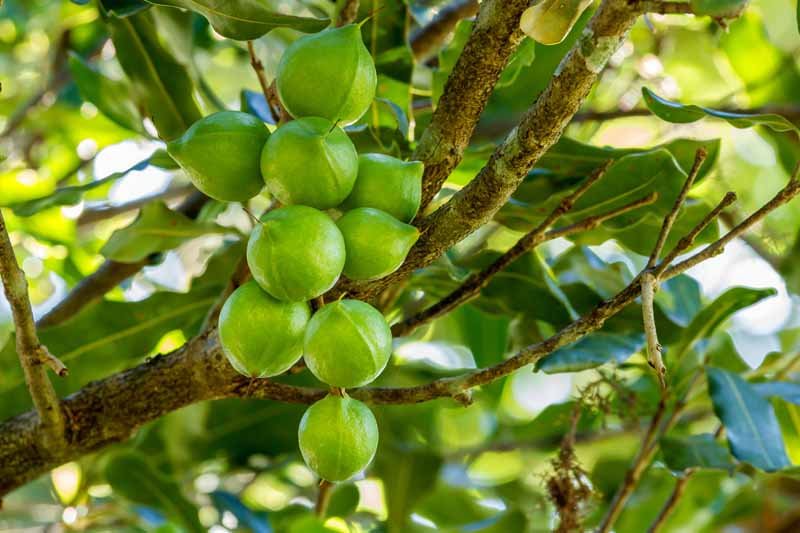
Macadamia nuts come from evergreen trees native to the subtropical rainforests of Australia. Today, they are cultivated worldwide in warm climates, from Hawaii to South Africa and southern India.

There are two main species grown for nut production:

  • Macadamia integrifolia – Produces smooth-shelled nuts; ideal for home gardens.
  • Macadamia tetraphylla – Produces rough-shelled nuts; more cold-tolerant.

These trees can grow up to 30–40 feet tall in nature, but with pruning and container management, you can easily grow them as compact trees or even in large pots.


2. Choosing the Right Variety

When growing at home, it’s best to start with a grafted macadamia plant rather than seeds. Grafted trees bear fruit faster (within 3–4 years), while seed-grown trees can take 7–10 years to mature.

Some excellent home-growing varieties include:

  • ‘Beaumont’ – A hybrid variety known for reliability and ease of care.
  • ‘Cate’ – Early-bearing and hardy; suitable for subtropical regions.
  • ‘Dorado’ – Compact and productive, perfect for small spaces or container growing.

If you live in an area with mild winters (no frost below 2°C / 35°F), you can grow macadamias outdoors year-round. For cooler regions, container growing is ideal, as it allows you to move the plant indoors during cold months.


3. Growing Macadamia Nuts in Containers

Macadamias can thrive in large pots, provided they have proper soil, space, and drainage. Here’s how to set them up for success:

Container Selection

Choose a pot at least 24–30 inches wide and deep, with multiple drainage holes. The root system of a macadamia tree is extensive, so give it plenty of room to expand.

Soil Mix

Macadamias prefer slightly acidic, well-draining soil. A perfect potting mix includes:

  • 40% garden loam or compost
  • 30% perlite or coarse sand
  • 30% coco peat or pine bark

This combination ensures aeration and prevents waterlogging — a common cause of root rot.

Planting Steps

  1. Fill the container with the prepared mix.
  2. Place the macadamia seedling or grafted plant in the center.
  3. Firmly press soil around the roots.
  4. Water deeply after planting.

Position the pot in a sunny location — at least 6–8 hours of direct sunlight daily is essential for healthy growth.


4. Watering and Fertilization

Macadamia trees need consistent moisture, especially during their growing and flowering stages.

  • Watering: Keep the soil slightly moist but never soggy. Deep watering once or twice a week is ideal. During dry or windy weather, increase frequency.
  • Fertilization: Use a balanced, slow-release fertilizer (such as 10-10-10 NPK) during the growing season. Supplement with iron, zinc, and magnesium to promote healthy foliage and nut production.
  • Mulching: Apply organic mulch around the base to retain moisture and suppress weeds.

Avoid over-fertilizing, as excess nitrogen encourages leafy growth at the expense of nuts.


5. Pruning and Maintenance

Regular pruning helps your macadamia stay compact and manageable. Here’s how:

  • Prune lightly each year to remove dead, crowded, or weak branches.
  • Maintain an open canopy so sunlight can reach all parts of the tree.
  • In containers, keep your tree at 5–7 feet tall for easy care and harvesting.

Inspect regularly for pests like aphids, scale insects, and macadamia nut borers. Neem oil or insecticidal soap can help control them naturally.


6. Pollination and Flowering

Macadamia trees are self-pollinating, but cross-pollination with another macadamia nearby often improves yield.

The tree produces long racemes of small, creamy-white flowers, which appear in late winter to early spring. These flowers develop into clusters of nuts that take several months to mature. Bees and other pollinators play a vital role in nut formation, so a pollinator-friendly garden boosts productivity.


7. When and How to Harvest Macadamia Nuts

Patience is key when growing macadamia nuts — but the reward is worth it!

You’ll know it’s harvest time when:

  • Nuts fall naturally from the tree, usually 6–8 months after flowering.
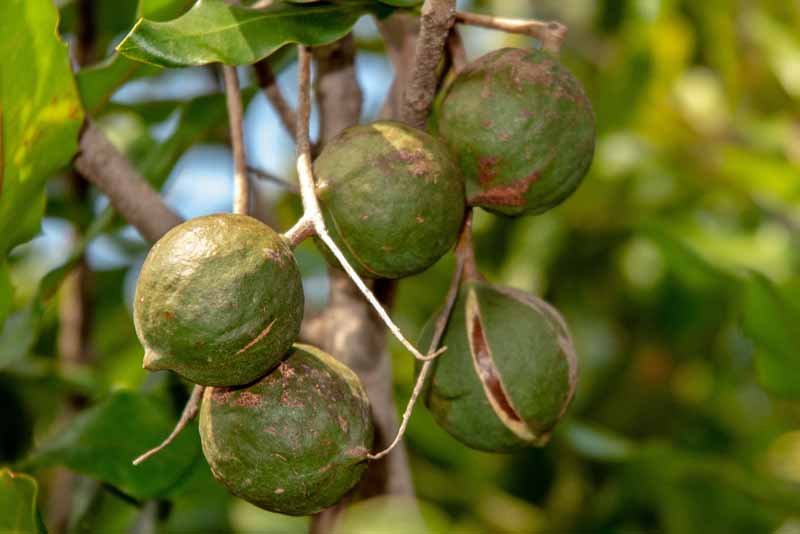
  • The outer green husk splits open, revealing a hard brown shell inside.

Collect the fallen nuts, remove the husks, and allow the shells to dry for a few weeks in a shaded, airy area. Once dry, crack the shell carefully to reveal the delicious, creamy kernel inside.

(Tip: The shells are extremely hard — use a nutcracker designed for macadamias or a vise clamp.)


8. Curing and Storing Your Harvest

Proper curing improves flavor and texture:

  1. Spread dehusked nuts in a single layer.
  2. Air dry them for 2–3 weeks.
  3. Once dried, roast lightly at 100–120°C (212–248°F) for 10–15 minutes to enhance taste.

Store roasted or raw nuts in airtight containers away from moisture. Refrigeration extends shelf life and preserves their delicate flavor.


9. Common Problems and Solutions

ProblemCauseSolution
Yellow leavesOverwatering or poor drainageImprove soil aeration; reduce watering
Few or no nutsLack of pollination or nutrient imbalanceAdd another macadamia tree; fertilize properly
Nuts falling earlyWater stressMaintain consistent moisture
Pests (scale, aphids)Poor air circulationPrune and use neem oil spray

10. Benefits of Growing Macadamias at Home

Growing macadamia nuts at home isn’t just rewarding — it’s incredibly beneficial:

  • Nutrient-Rich Harvest: Macadamias are packed with heart-healthy fats, antioxidants, and minerals.
  • Eco-Friendly: Reduce your carbon footprint by growing your own food.
  • Low Maintenance: Once established, macadamias require minimal care.
  • Long Lifespan: A healthy macadamia tree can live and produce for over 40 years.

Plus, there’s unmatched satisfaction in cracking open your own homegrown nuts — each one a testament to your gardening skill and patience.


11. Final Thoughts

Growing macadamia nuts at home is easier than you think once you understand their basic needs — warmth, sunlight, good drainage, and patience. Whether you plant them in your backyard or grow them in a large container on your patio, macadamias can thrive beautifully and reward you with delicious, buttery nuts for years to come.

So, roll up your sleeves, grab a grafted macadamia seedling, and start your journey toward a sustainable and flavorful harvest. With the right care and a little time, you’ll soon be enjoying homegrown macadamias — the ultimate nut lover’s dream come true!

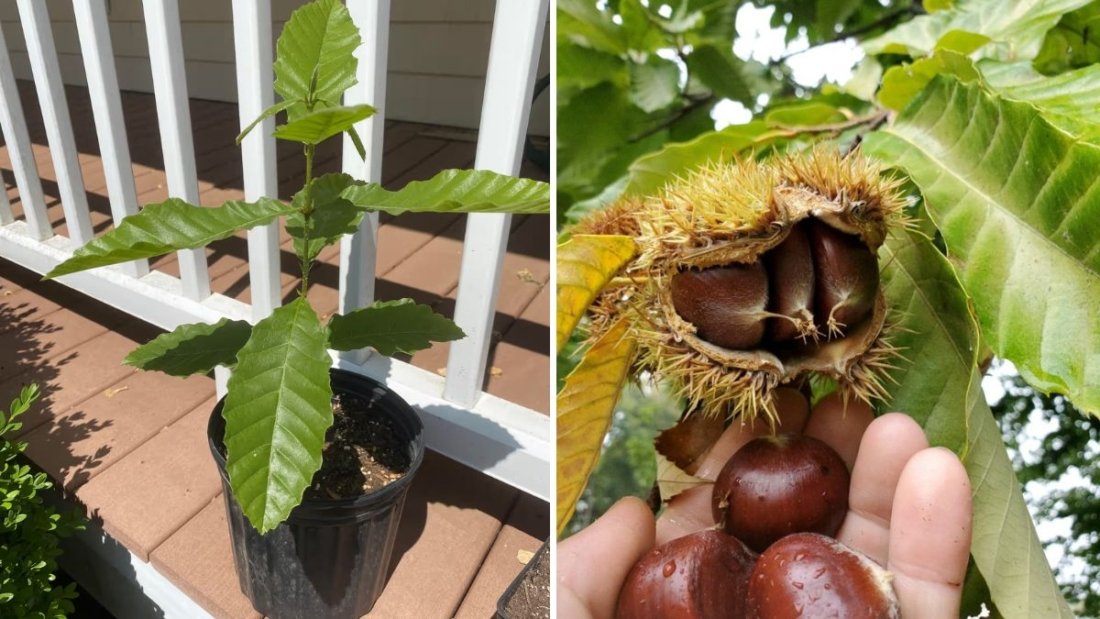
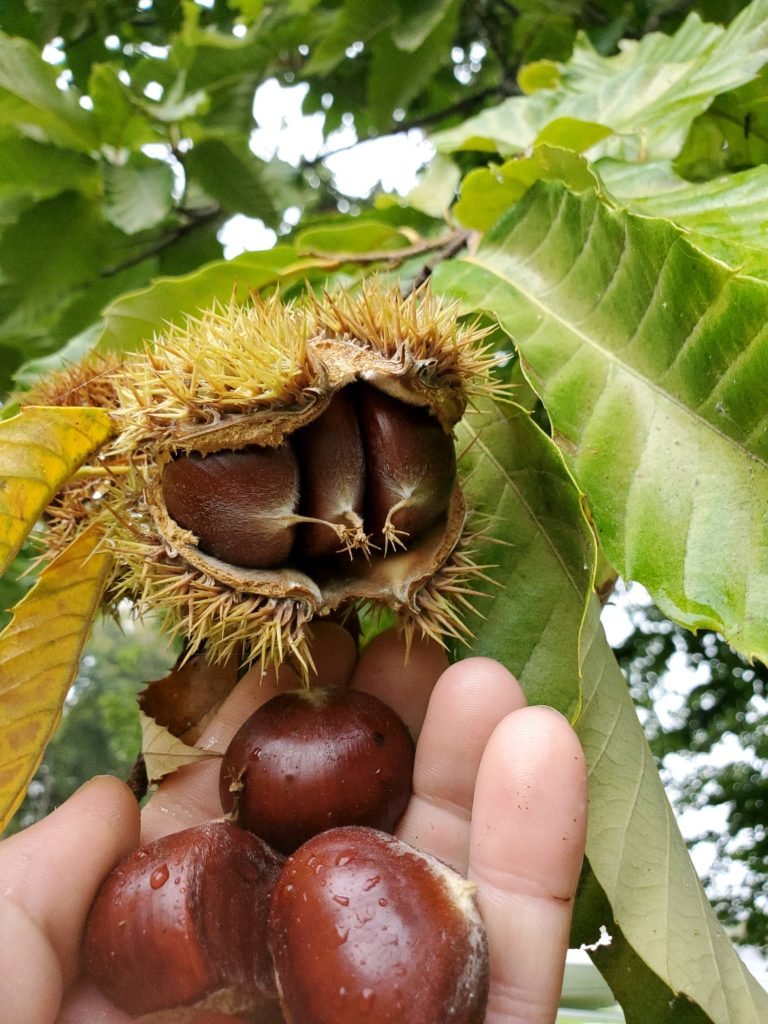
No Peat? No Problem! Stratifying Chestnut Seeds – WITH RESULTS!

No Peat? No Problem! Stratifying Chestnut Seeds – WITH RESULTS!

Growing chestnut trees (Castanea spp.) from seed is one of the most rewarding experiences for gardeners, researchers, and nature lovers alike. These majestic trees, known for their delicious nuts and ecological importance, hold a rich legacy in agriculture and forestry. But when it comes to sprouting chestnuts from seeds, one of the most crucial steps is stratification—the process of mimicking natural winter conditions to trigger germination.

Traditionally, many growers rely on peat moss for stratifying chestnut seeds. However, concerns over the environmental impact of peat extraction, along with limited availability in certain regions, have led to growing interest in sustainable alternatives. The good news? You don’t need peat moss to successfully stratify chestnut seeds. In fact, several alternative materials can produce equal—or even better—results.

This article explores the step-by-step process of peat-free chestnut seed stratification, discusses the science behind it, compares results, and provides practical insights for achieving healthy, vigorous seedlings—without compromising the planet.


1. Understanding Chestnut Seeds and Stratification

Before diving into the method, it’s important to understand why chestnut seeds require stratification in the first place.

Chestnut seeds, like many temperate tree species, are dormant when freshly harvested. This dormancy prevents the seeds from germinating during autumn and ensures they sprout in spring when conditions are ideal for growth. Stratification replicates the cold, moist environment of winter to break this dormancy and activate the seed’s growth hormones.

Without stratification, chestnut seeds often remain dormant, fail to sprout, or produce weak seedlings.

Natural stratification occurs when nuts fall to the ground in autumn and experience several weeks of cold, damp conditions before sprouting in spring. Artificial stratification, on the other hand, allows growers to control and accelerate this process indoors.


2. The Environmental Problem with Peat Moss

Peat moss has long been favored for seed stratification due to its moisture-retaining and sterile qualities. However, it’s now recognized as unsustainable:

  • Peatlands are vital carbon sinks, and harvesting peat releases large amounts of CO₂.
  • Peat regeneration takes centuries, making it a non-renewable resource.
  • Environmental organizations increasingly recommend avoiding peat in horticulture.

Therefore, adopting peat-free stratification methods aligns with modern ecological goals—supporting sustainability while maintaining excellent germination results.


3. Peat-Free Alternatives for Stratification

If not peat, then what? Luckily, there are several excellent substitutes for chestnut seed stratification:

  1. Coconut Coir (Cocopeat):
    Made from coconut husks, coir retains moisture well and is 100% renewable. It’s sterile, lightweight, and easy to handle.
  2. Moist Sand:
    Simple and widely available, sand ensures good aeration but requires frequent moisture monitoring.
  3. Sphagnum Moss (Non-Peat):
    Unlike peat moss, live or dried sphagnum moss harvested sustainably can retain moisture without environmental damage.
  4. Vermiculite or Perlite:
    These minerals offer excellent aeration and moisture control and are sterile and reusable.
  5. Paper Towels or Sawdust:
    For small batches, moist paper towels or wood shavings (from untreated wood) can serve as practical and cost-effective alternatives.

Each medium can work effectively when managed properly—what matters most is maintaining consistent moisture and temperature throughout the stratification period.


4. Collecting and Preparing Chestnut Seeds

For successful stratification, start with fresh, viable chestnut seeds. Old or improperly stored nuts have reduced germination potential.

Steps:

  1. Harvesting: Collect mature nuts that have naturally fallen from the tree in autumn. Avoid nuts that are moldy, cracked, or insect-damaged.
  2. Cleaning: Remove any remaining husks and wash the nuts gently in clean water to eliminate dirt and pathogens.
  3. Float Test: Discard nuts that float in water—they’re often hollow or infertile.
  4. Pre-Drying: Let the nuts air-dry for one day at room temperature before stratification to prevent fungal growth.

5. Step-by-Step Guide: Stratifying Chestnut Seeds Without Peat

Here’s a proven method to stratify chestnut seeds successfully without using peat moss.

Materials Needed:

  • Fresh chestnut seeds
  • Chosen medium (coconut coir, moist sand, or vermiculite)
  • Plastic zipper bags or airtight containers
  • Spray bottle with clean water
  • Refrigerator or cold storage unit (1°C–5°C)

Step 1: Prepare the Medium

If using coconut coir, hydrate it by soaking in warm water and then squeeze out excess moisture—it should be moist but not soggy.
For sand or vermiculite, lightly dampen it with a spray bottle.


Step 2: Pack the Seeds

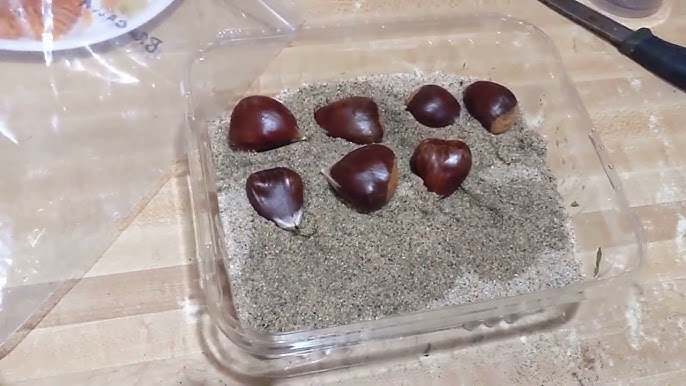
  • Place a 1–2 cm layer of the moist medium at the bottom of your container.
  • Arrange chestnut seeds in a single layer, ensuring they don’t touch each other.
  • Cover with another layer of the medium.
  • Seal the container to retain humidity but leave a small air gap for oxygen exchange.

Step 3: Cold Stratification Period

Place the container in a refrigerator (not freezer) set between 1°C and 5°C (34°F–41°F).
This cold, moist environment mimics natural winter conditions and stimulates the seed’s internal processes.


Step 4: Monitoring

  • Check the seeds every 2–3 weeks.
  • If the medium appears dry, mist it lightly with water.
  • Remove any seeds showing signs of mold or decay.
  • Typically, stratification lasts 60–90 days, though some species may require up to 120 days.

During this period, the embryo inside the seed slowly awakens from dormancy and prepares to germinate once temperatures rise.


Step 5: Germination

After about two to three months, you’ll notice small white root tips (radicles) emerging from the nuts—this means stratification was successful!

At this point:

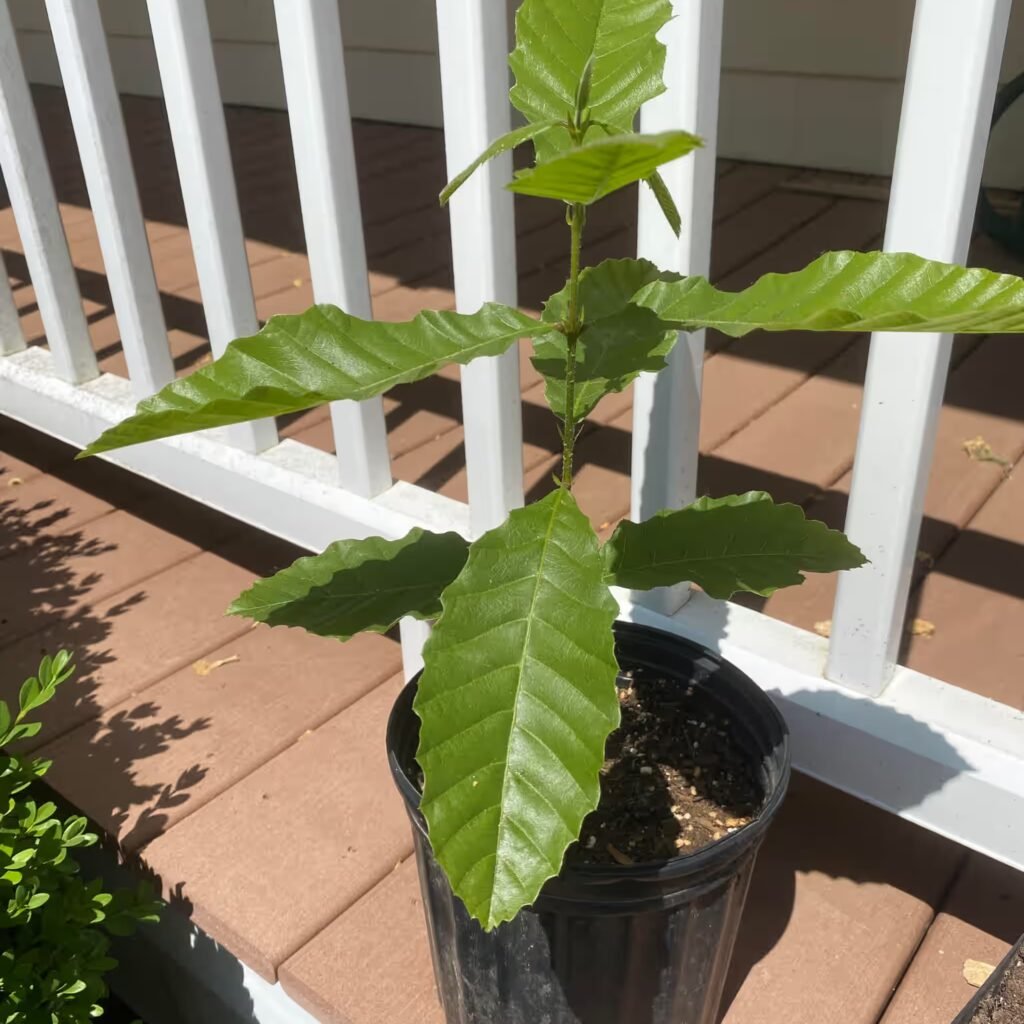
  • Transfer the germinated seeds into pots with well-draining soil (a mix of garden loam, compost, and sand).
  • Plant each nut about 2.5–3 cm deep with the root facing downward.
  • Keep the pots in a bright, cool location and water regularly.

6. Experiment Results: Comparing Stratification Media

A recent experiment compared germination rates of chestnut seeds stratified in different peat-free media over 90 days. The results were as follows:

MediumGermination Rate (%)Observation
Coconut Coir92%Excellent moisture retention; clean roots
Vermiculite89%Strong root growth, no mold
Moist Sand81%Some drying issues if unchecked
Paper Towels75%Suitable for small-scale use, but prone to mold
Peat Moss (Control)88%Standard results; comparable but less eco-friendly

Conclusion: Coconut coir and vermiculite performed best, providing superior germination rates and healthy seedlings—demonstrating that peat-free stratification is not only possible but highly effective.


7. Transplanting and Early Care

Once the seedlings develop roots about 1–2 inches long:

  • Transfer them carefully into pots (8–10 inches deep).
  • Keep them in indirect sunlight for the first 2 weeks to avoid stress.
  • Water lightly and ensure good drainage.
  • As they grow, gradually expose them to more sunlight.

When the saplings are about 6–8 inches tall and outdoor temperatures stabilize, they can be transplanted into the ground.


8. Tips for Healthy Chestnut Seedlings

  1. Avoid overwatering: Chestnut roots are sensitive to rot.
  2. Protect from rodents: Use mesh covers; chestnuts are a favorite snack for squirrels.
  3. Provide full sun: Chestnuts need at least 6 hours of sunlight daily.
  4. Maintain slightly acidic soil: Ideal pH is between 5.5 and 6.5.
  5. Fertilize lightly: Use organic compost during early spring for steady growth.

9. Long-Term Growth and Yield

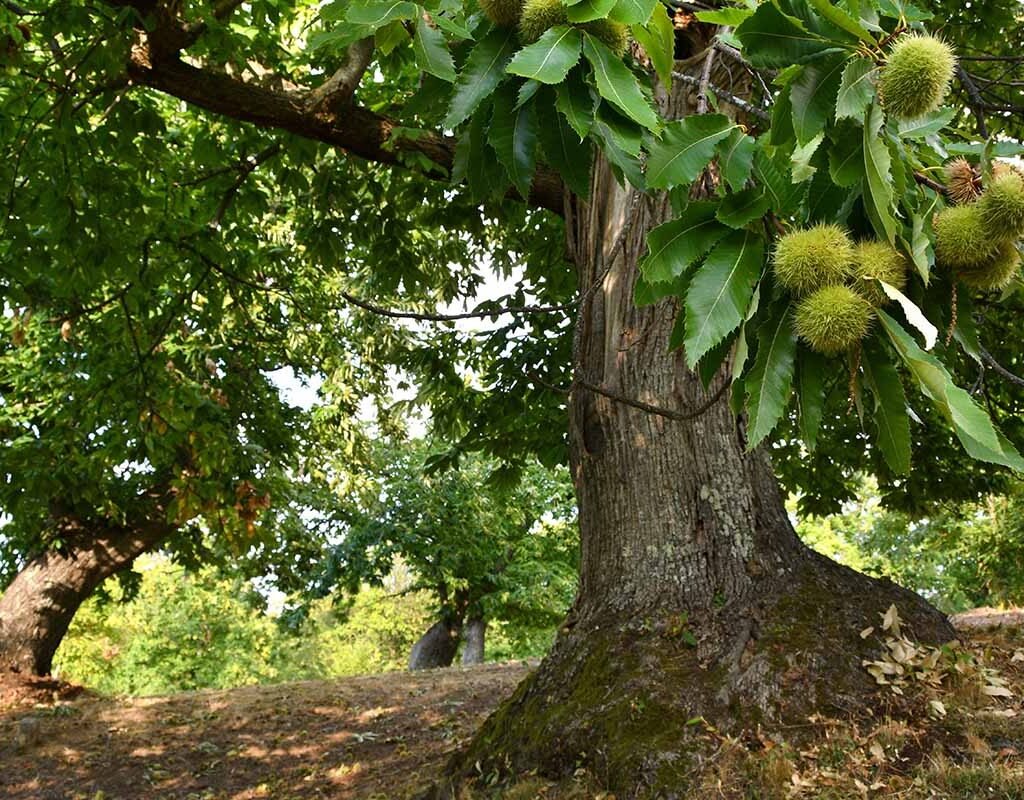
Chestnut trees grown from seed typically begin producing nuts in 5–7 years (grafted trees may fruit earlier). Mature trees can live for over a century and yield up to 50 kg of nuts per year, depending on the species and environment.

Popular species for cultivation include:

  • American Chestnut (Castanea dentata): Once dominant, now being restored through breeding programs.
  • Chinese Chestnut (Castanea mollissima): Disease-resistant and ideal for home growers.
  • European Chestnut (Castanea sativa): Produces large, sweet nuts; suited for mild climates.

10. Advantages of Peat-Free Stratification

  • Environmentally sustainable: Reduces reliance on non-renewable peat bogs.
  • Equally effective: Comparable or better germination rates.
  • Healthier seedlings: Reduced risk of fungal diseases.
  • Cost-effective: Readily available and reusable materials.

These advantages make peat-free methods the future of eco-conscious seed propagation.


11. Conclusion

The experiment and observations confirm one clear truth: you don’t need peat moss to successfully stratify chestnut seeds. With alternatives like coconut coir or vermiculite, growers can achieve high germination rates, healthy seedlings, and sustainable results—all while supporting environmental conservation.

This approach represents a win-win for both gardeners and the planet. Whether you’re a home grower, researcher, or reforestation enthusiast, peat-free stratification proves that innovation and sustainability can coexist beautifully in modern horticulture.

So next time you prepare your chestnut seeds for planting, remember—no peat? no problem!
With the right care, patience, and eco-friendly materials, you’ll soon see nature’s promise sprouting before your eyes.

Grow Hazelnuts: A Complete Guide to Cultivating, Caring, and Harvesting Nature’s Nutty Treasure

Grow Hazelnuts: A Complete Guide to Cultivating, Caring, and Harvesting Nature’s Nutty Treasure

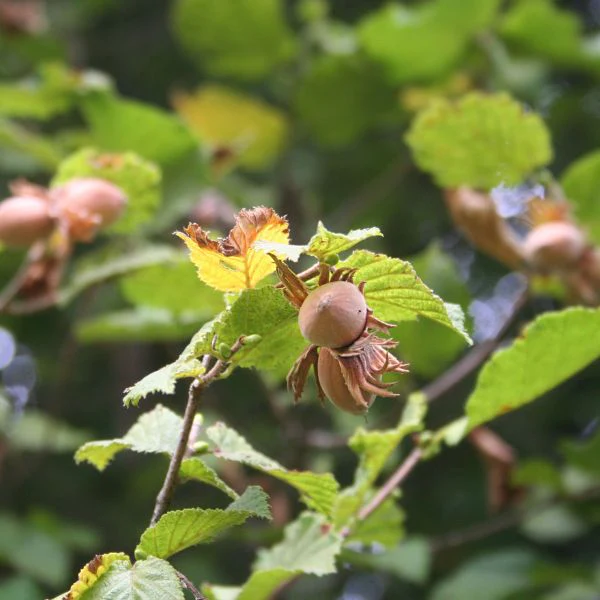
Hazelnuts, also known as filberts or cobnuts, are among the world’s most beloved nuts, cherished for their rich, buttery flavor and incredible health benefits. They’re the star ingredient in chocolates, spreads, and desserts—but beyond the kitchen, hazelnuts represent sustainability, biodiversity, and agricultural opportunity.

If you’ve ever dreamed of growing your own hazelnut tree—whether for commercial production, home gardening, or academic research—this comprehensive guide will walk you through everything you need to know: from planting and propagation to harvesting and processing your own hazelnuts.


1. Introduction to Hazelnuts

The hazelnut (Corylus avellana) is a small, deciduous tree or large shrub belonging to the birch family (Betulaceae). Native to Europe and western Asia, it’s now cultivated worldwide, especially in countries like Turkey, Italy, the United States (Oregon), and Spain.

Hazelnuts are not only delicious but also packed with nutrients, including vitamin E, magnesium, protein, and healthy fats. Their trees are attractive additions to any landscape, offering glossy green leaves, charming catkins in spring, and an abundant harvest of nuts in autumn.


2. Why Choose Hazelnuts?

Growing hazelnuts offers multiple benefits, making them a worthy addition to your garden or research project:

  • High market value: Demand for hazelnuts is consistently strong in the food industry.
  • Low maintenance: They’re hardy, disease-resistant, and adaptable to different soils.
  • Environmental benefits: Hazelnut trees help prevent soil erosion and support wildlife habitats.
  • Compact growth: Perfect for smaller gardens, as most hazelnut trees grow only 10–15 feet tall.
  • Health powerhouse: Rich in antioxidants, good fats, and fiber—ideal for heart and brain health.

3. Understanding the Hazelnut Plant

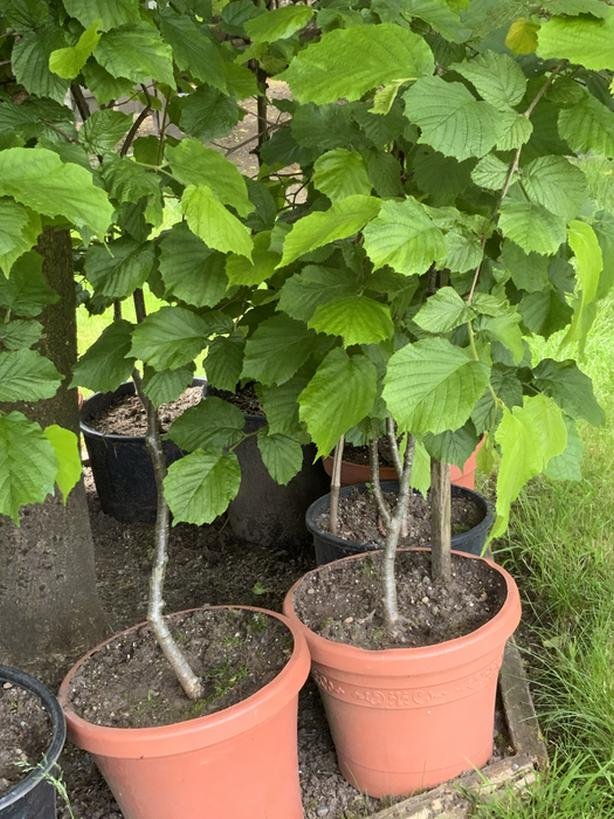
A hazelnut tree is typically multi-stemmed, forming a rounded bush. Its key features include:

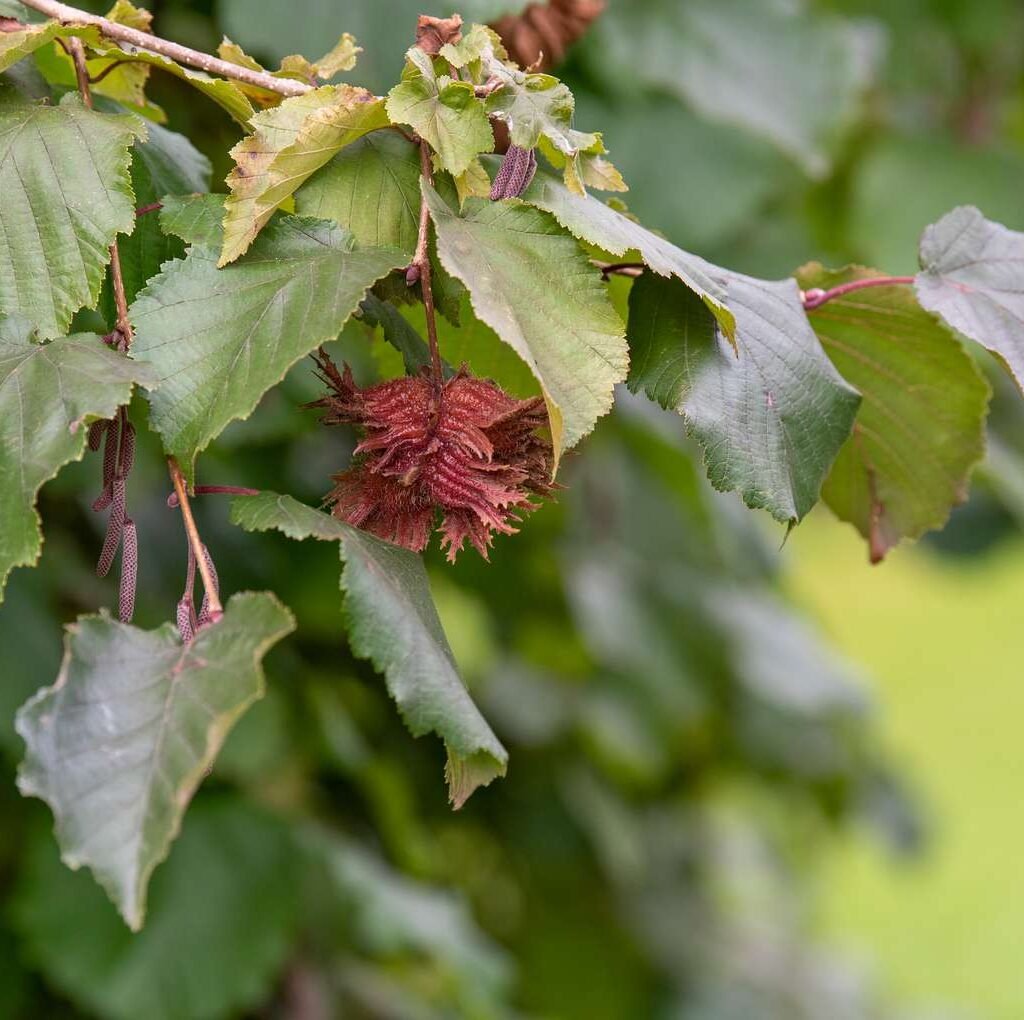
  • Leaves: Broad, round, and serrated with a rich green hue.
  • Flowers: Male flowers form as catkins, while female flowers are small and red.
  • Pollination: Most hazelnut trees are self-incompatible—they need another variety nearby for cross-pollination.
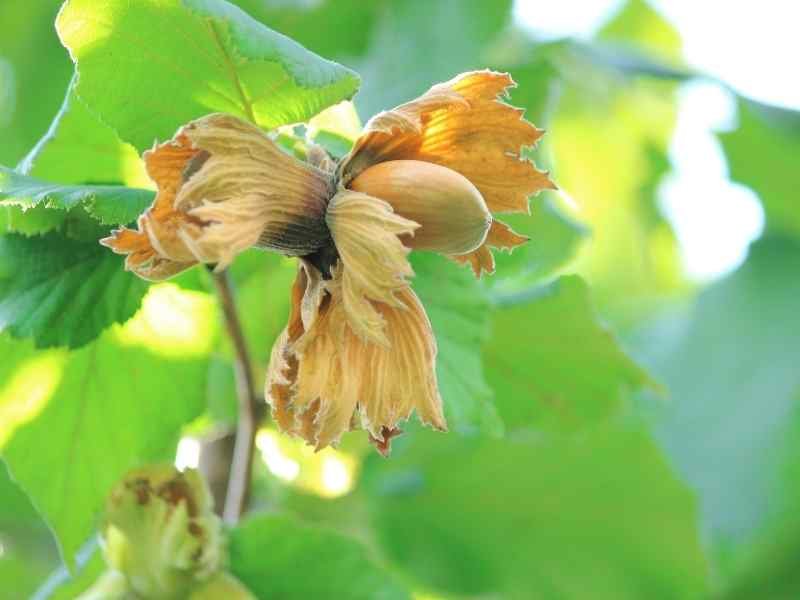
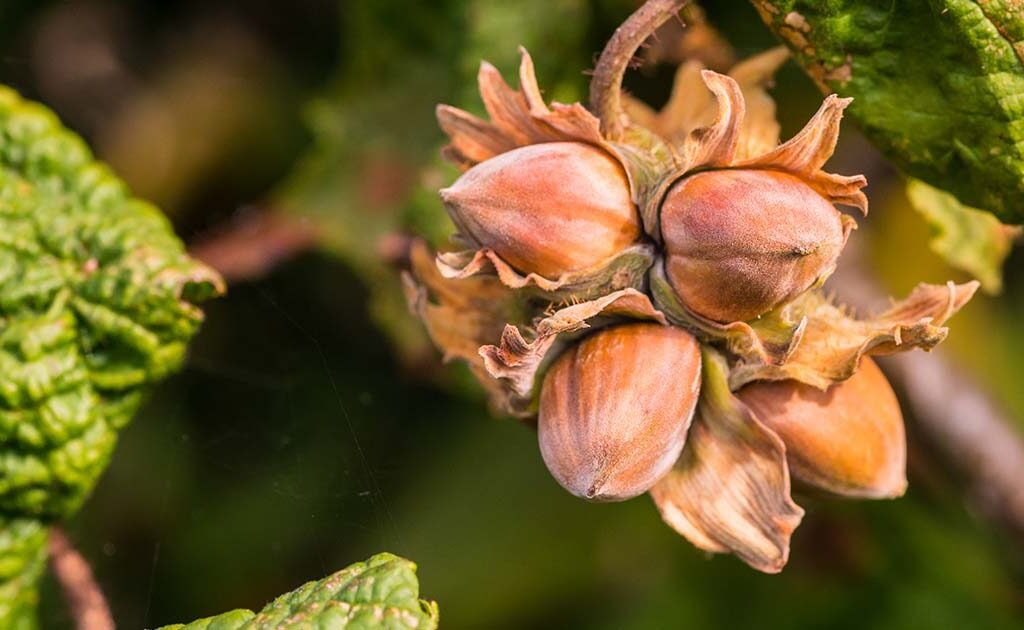
  • Fruits (Nuts): Enclosed in a leafy husk, the nuts mature in late summer or early autumn.

4. Ideal Growing Conditions

Hazelnuts thrive best under specific environmental and soil conditions:

  • Climate: Prefer temperate regions with cool winters and mild summers. They require about 800–1,200 chilling hours below 7°C (45°F) for proper flowering.
  • Temperature: Optimal range is 13°C–30°C (55°F–86°F).
  • Sunlight: Full sun to partial shade; at least 6 hours of direct sunlight daily.
  • Rainfall: 700–1,200 mm annually is ideal. In dry areas, supplemental irrigation is necessary.

5. Soil Requirements

Hazelnuts are adaptable but perform best in well-drained loamy or sandy soils with moderate fertility.

Soil tips:

  • pH level: Slightly acidic to neutral (6.0–7.5).
  • Drainage: Avoid heavy clay or waterlogged soils—hazelnuts hate “wet feet.”
  • Preparation: Before planting, mix organic compost or well-rotted manure to enrich the soil.

6. Propagation Methods

Hazelnuts can be propagated through seed, layering, or grafting.

A. From Seeds

  • Collect mature nuts in autumn and dry them.
  • Stratify the nuts (cold treatment) for 2–3 months at around 3–5°C to break dormancy.
  • Sow them in pots or directly in the ground during early spring.
  • Seed-grown trees take longer to bear nuts (6–8 years) and may not retain parent traits.

B. Layering

This is a reliable vegetative method:

  • Bend a low-growing branch to the ground.
  • Cover part of it with soil, leaving the tip exposed.
  • Roots develop in 12–18 months, after which it can be separated and transplanted.

C. Grafting

Common for commercial orchards. Scions from high-yielding varieties are grafted onto hardy rootstocks for uniform growth and earlier nut production.


7. Planting Hazelnut Trees

Best time: Late winter or early spring before new growth begins.

Steps:

  1. Choose healthy, disease-free saplings (1–2 years old).
  2. Space trees about 4–5 meters (13–16 feet) apart for optimal growth.
  3. Dig a hole twice the size of the root ball.
  4. Place the sapling in the hole, ensuring the roots spread naturally.
  5. Refill with soil mixed with compost and water thoroughly.
  6. Apply mulch (leaves, bark, or straw) around the base to retain moisture.

8. Pollination and Cross-Varieties

As hazelnut trees are wind-pollinated, cross-pollination is essential for good yields.

Tip: Plant at least two compatible varieties within 20 meters of each other to ensure pollen transfer.
Common compatible pairs include:

  • Jefferson with Eta
  • Barcelona with Daviana
  • Tonda di Giffoni with Tonda Gentile Romana

Avoid planting in locations prone to strong winds that may disperse pollen too quickly.


9. Watering and Fertilization

Hazelnuts are moderately drought-tolerant but benefit from regular watering during dry spells, especially in their first few years.

Watering tips:

  • Keep soil moist but not soggy.
  • Drip irrigation or deep watering once a week is ideal in dry climates.

Fertilization:

  • Apply well-rotted manure or compost annually in early spring.
  • Use a balanced NPK fertilizer (10:10:10) twice a year—once in spring and once after fruit set.
  • Avoid excessive nitrogen, as it may promote vegetative growth instead of fruiting.

10. Pruning and Maintenance

Pruning is vital for shaping, health, and productivity.

Key points:

  • Remove suckers or unwanted shoots emerging from the base.
  • Thin out crowded branches to improve air circulation.
  • Maintain 6–8 strong branches forming a vase shape for better sunlight penetration.
  • Conduct light pruning every winter when the tree is dormant.

Regular pruning prevents disease buildup and improves nut quality.


11. Pests and Diseases

Although hazelnuts are generally hardy, they can face some threats:

Common pests:

  • Filbert aphid: Causes leaf curling; control with neem oil spray.
  • Hazelnut weevil: Damages nuts; remove affected nuts and use organic insecticides.
  • Scale insects: Controlled by horticultural oil applications.

Diseases:

  • Eastern filbert blight (EFB): Fungal disease causing branch dieback; use resistant varieties like Jefferson and Yamhill.
  • Bacterial blight: Managed by pruning infected areas and improving air circulation.
  • Root rot: Avoid overwatering and ensure well-drained soil.

Preventive care and proper sanitation greatly reduce problems.


12. Flowering and Nut Formation

Hazelnuts typically flower between January and March, depending on the climate.

  • Male catkins release pollen that fertilizes female flowers.
  • Once pollinated, nuts begin developing inside husks and mature by August to October.

During this stage, maintaining adequate moisture and avoiding stress ensures plump, flavorful nuts.


13. Harvesting Hazelnuts

Harvest season is one of the most rewarding times for growers.

Signs of readiness:

  • The husks turn brown, and nuts begin to fall naturally.
  • Shake the branches gently; mature nuts will drop easily.

Harvesting steps:

  1. Collect fallen nuts daily to prevent pest infestation.
  2. Remove husks and spread nuts in a single layer to dry in a warm, airy place for 1–2 weeks.
  3. Once dry, store nuts in airtight containers in a cool, dry area.

Hazelnuts can last for months when properly dried and stored.


14. Post-Harvest Processing

Processing hazelnuts enhances their flavor and extends shelf life.

  • Roasting: Roast nuts at 175°C (350°F) for 10–15 minutes until skins loosen.
  • Blanching: Rub warm nuts in a towel to remove skins.
  • Cracking: Use a nutcracker to separate shells from kernels.

Processed hazelnuts can be used in chocolates, pastries, nut butter, or simply as a healthy snack.


15. Economic and Environmental Importance

Hazelnuts play a vital role in sustainable agriculture:

  • Economic value: High global demand supports profitable small-scale and commercial farming.
  • Environmental sustainability: Deep roots prevent erosion and promote biodiversity.
  • Carbon sequestration: Hazelnut trees absorb significant amounts of CO₂, aiding climate stability.

Moreover, hazelnuts require fewer chemical inputs compared to other cash crops, making them eco-friendly and resilient.


16. Health Benefits of Hazelnuts

Hazelnuts aren’t just delicious—they’re a nutritional powerhouse:

  • Rich in vitamin E and antioxidants, promoting skin and heart health.
  • Contain healthy monounsaturated fats that lower bad cholesterol.
  • Provide magnesium, folate, and fiber for energy and digestion.
  • May improve brain function and reduce inflammation.

Incorporating hazelnuts into daily diets contributes to overall wellness and longevity.


17. Final Thoughts

Growing hazelnuts—whether for personal use, commercial production, or academic research—is an incredibly rewarding experience. Their elegant trees, easy maintenance, and bountiful harvests make them a perfect choice for gardeners and farmers alike.

By providing the right soil, sunlight, and pollination partners, you can cultivate a thriving hazelnut orchard that yields delicious, nutrient-rich nuts year after year. From planting to harvest, each stage of hazelnut cultivation connects us more deeply with nature’s cycle—and with the timeless satisfaction of growing something truly valuable from the ground up.

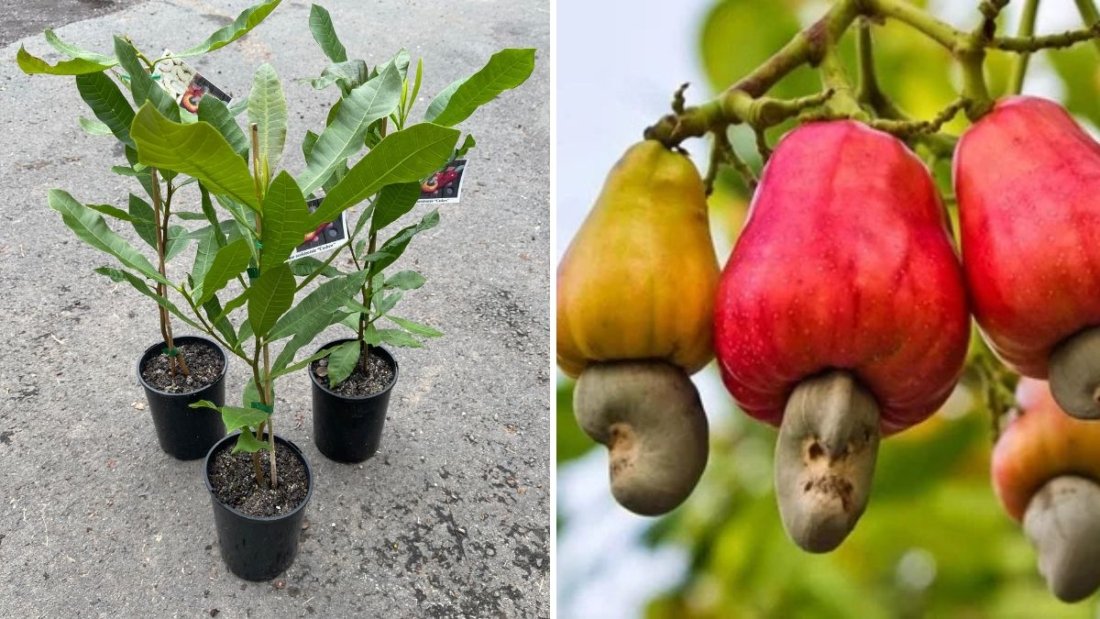
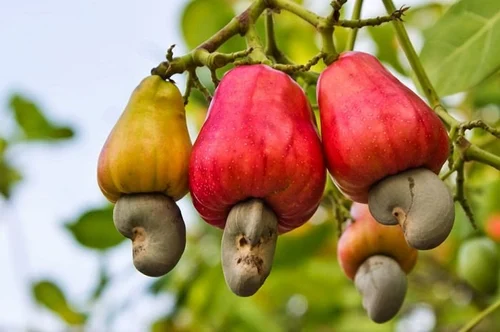
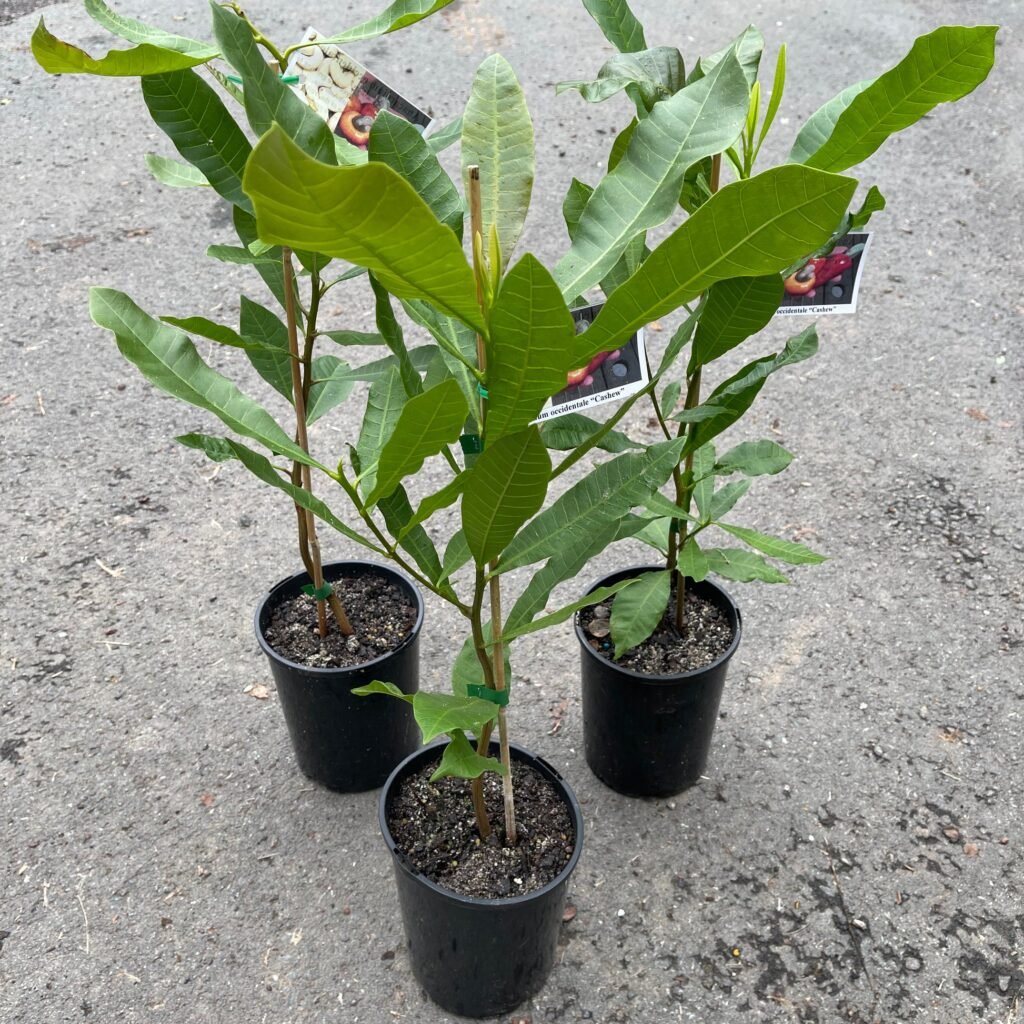
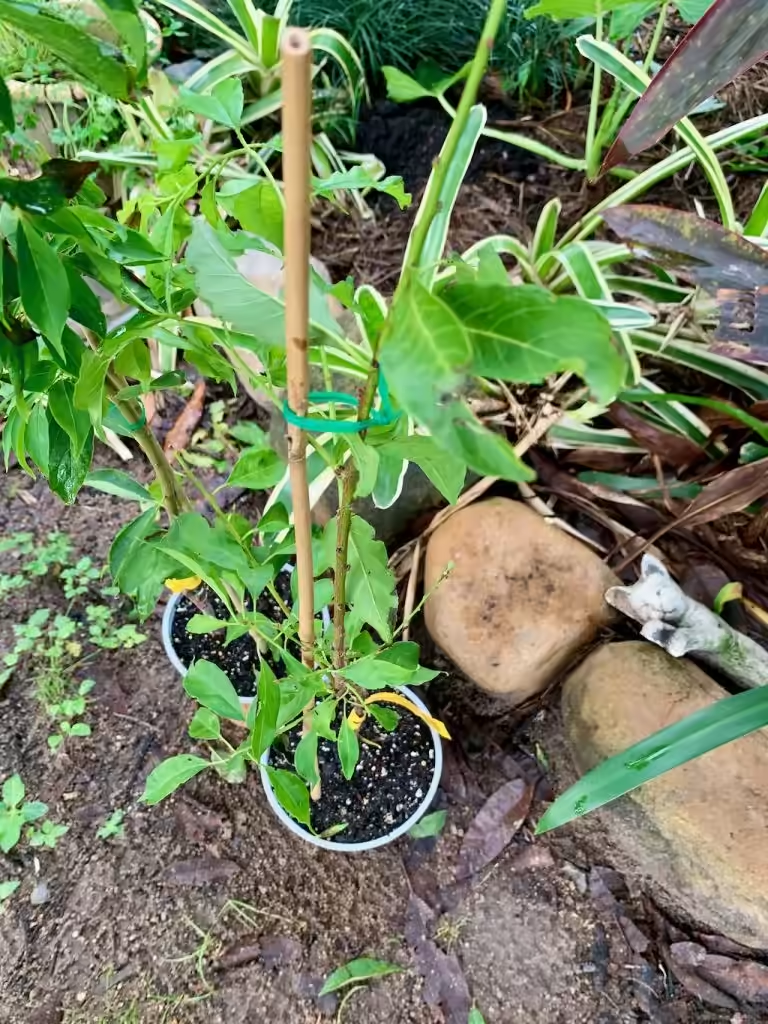
Grow Cashew Nut Tree in a Pot Most Easily and Reap a Great Harvest

Grow Cashew Nut Tree in a Pot Most Easily and Reap a Great Harvest

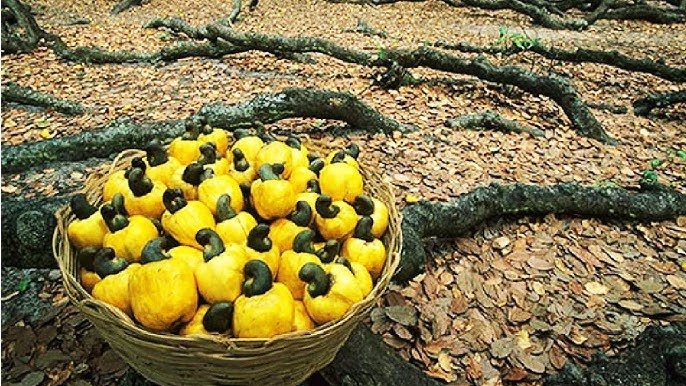
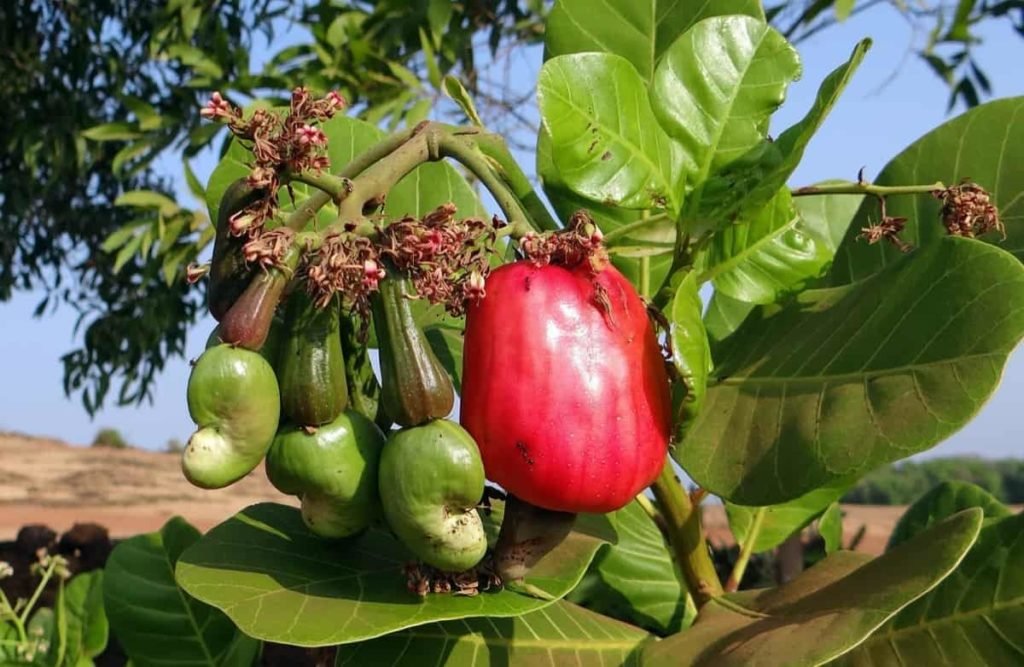
Growing your own cashew nut tree may sound like a tropical farmer’s dream, but what if you could cultivate this nut-bearing beauty right at home—even in a pot? Cashew trees, known for their delicious nuts and vibrant red or yellow fruits (called cashew apples), can thrive surprisingly well in containers with the right care and attention. This guide will walk you through everything you need to know to grow cashew nut trees in pots easily and enjoy a rewarding harvest right on your balcony, terrace, or backyard.


1. Introduction to Cashew Trees

The cashew tree (Anacardium occidentale) is a tropical evergreen native to Brazil but widely grown in India, Vietnam, and many parts of Africa. This tree is not only valued for its nuts but also for the juicy cashew apple and even its wood.

In its natural environment, the cashew tree can grow up to 12 meters tall. However, with proper pruning and care, it can be successfully maintained as a compact container plant reaching about 1.5–2 meters—perfect for limited spaces.


2. Why Grow Cashew Trees in Pots?

Container gardening has become increasingly popular for fruit trees, and cashew trees are no exception. Here’s why growing them in pots is a great idea:

  • Space-saving: Ideal for urban gardeners with limited yard space.
  • Easy to manage: Easier to control soil quality, water levels, and sunlight.
  • Pest management: Containers allow you to isolate plants from ground pests and diseases.
  • Mobility: You can move the pot to protect the tree from extreme weather or provide better sunlight exposure.
  • Quick maintenance: Pruning, fertilizing, and watering are simpler in a controlled container setup.

3. Choosing the Right Variety for Containers

Not all cashew varieties are suited for pot cultivation. For container growing, choose dwarf or grafted varieties, which remain compact and start fruiting earlier—typically within 2–3 years.

Some popular dwarf varieties include:

  • Vengurla-4 and Vengurla-7 (India): Compact, high-yielding, and disease-resistant.
  • Bhaskara: A dwarf hybrid variety suitable for pot culture.
  • Local grafted seedlings: Often available from nurseries and adaptable to container growing.

4. Selecting the Perfect Pot

Cashew trees need enough root space to thrive. Choose a pot that:

  • Has a minimum capacity of 50–70 liters (15–20 gallons).
  • Is wide and deep (at least 20 inches deep and 20 inches across).
  • Is made of terracotta or plastic with good drainage holes to prevent waterlogging.

For long-term growth, you can gradually transfer the sapling to larger pots as it matures. Ensure each container upgrade provides adequate space for root expansion.


5. Ideal Soil Mix for Cashew Trees

Cashew trees love well-drained, sandy or loamy soil that allows air circulation and prevents root rot. Heavy clay soils are unsuitable for containers.

Recommended soil mix:

  • 40% garden soil
  • 30% coarse sand or perlite (for drainage)
  • 20% organic compost or cow dung manure
  • 10% cocopeat or leaf mold (for moisture retention)

Add a handful of neem cake powder or bone meal to enrich the soil with natural nutrients and prevent fungal infections.


6. Propagation: Growing Cashew from Seed or Grafting

You can grow cashew trees either from seeds or grafted saplings.

From Seeds:

  1. Collect fresh cashew nuts (not roasted) from a ripe cashew apple.
  2. Dry the nuts in shade for 2–3 days.
  3. Soak them in warm water for 24 hours to speed up germination.
  4. Plant each nut 1 inch deep in a small pot with a light soil mix.
  5. Keep the soil moist and place the pot in a sunny spot.
  6. Germination takes around 2–4 weeks.

Once the seedling reaches about 8–10 inches tall, it can be transplanted into a larger pot.

From Grafted Saplings:

If you want faster fruiting, choose a grafted cashew sapling from a nursery. These plants typically begin bearing fruit within 2 years, compared to 5 years from seeds.


7. Sunlight and Temperature Needs

Cashew trees are tropical by nature and require plenty of sunlight to flourish.

  • Sunlight: At least 6–8 hours of direct sunlight daily.
  • Temperature: They grow best between 25°C and 35°C (77°F–95°F).
  • Humidity: Moderate humidity is ideal; avoid excessively wet or dry air.

If you live in a cooler region, place your cashew tree near a sunny window or on a balcony protected from cold winds. In winter, move the pot indoors or use a greenhouse setup.


8. Watering and Drainage

Cashew trees are drought-tolerant once established, but young plants need consistent moisture.

  • Water regularly: Keep the soil slightly moist, not soggy.
  • Avoid overwatering: Waterlogging can lead to root rot.
  • Mulch: Add a 1-inch layer of organic mulch like straw or dry leaves on top to retain moisture.

During the flowering and fruiting stages, water moderately—too much or too little can affect fruit set and nut development.


9. Fertilizing Your Cashew Tree

Container plants rely heavily on fertilization, as nutrients are washed away with watering. Feed your cashew tree regularly to encourage strong growth and high yields.

Fertilizer schedule:

  • During growing season (spring–summer): Apply a balanced NPK (10:10:10) fertilizer every 3–4 weeks.
  • Before flowering: Add potassium-rich fertilizer (e.g., banana peel compost) to boost flowering and fruit formation.
  • Organic options: Use compost tea, cow dung manure, or vermicompost every 2–3 months.

Avoid excessive nitrogen—it promotes leafy growth at the expense of nuts.


10. Pruning and Maintenance

Pruning helps shape your cashew tree and promotes air circulation.

  • Pinch off the growing tips when the plant is young to encourage branching.
  • Remove dead or crossing branches regularly.
  • After harvest, lightly prune the plant to maintain its size and shape.

Regular pruning keeps your potted cashew tree compact, healthy, and aesthetically pleasing.


11. Pests and Diseases

Cashew trees are generally hardy but can occasionally face pest problems such as:

  • Aphids, mealybugs, and scales: Spray with neem oil solution every 15 days.
  • Fungal infections (powdery mildew, anthracnose): Avoid overhead watering and use copper-based fungicide if necessary.

Ensure proper airflow and sunlight to minimize pest infestations.


12. Flowering and Fruiting

Cashew trees start flowering after 2–3 years (grafted plants) or 4–5 years (seed-grown). The flowers are small, pale yellow or pinkish, and appear in clusters.

Once pollinated, the cashew apple and nut start developing. The nut grows at the end of the apple, which is edible but highly perishable.

Harvesting tips:

  • Fruits are ready to pick when the cashew apples turn red or yellow.
  • Detach the nut and apple carefully.
  • Dry the nuts under sunlight for 2–3 days before roasting or storing.

One healthy tree can yield 10–20 kg of raw nuts per year in ideal conditions.


13. Harvesting and Processing Cashew Nuts

After harvesting, the nuts need proper curing and shelling:

  1. Dry the nuts under sunlight for several days until the shells harden.
  2. Roast or steam them carefully to loosen the outer shell. (Use caution—cashew shells contain caustic oil).
  3. Once roasted, crack the shells to extract the kernels.
  4. Dry the kernels again before storing or roasting them for eating.

This process ensures the nuts are safe, tasty, and long-lasting.


14. Benefits of Growing Cashew in Pots

  • Fresh, chemical-free nuts right from your home garden.
  • Eco-friendly and rewarding hobby for all gardening lovers.
  • Compact tree with decorative appeal—cashew trees look stunning when fruiting.
  • Educational and fun for children and families to learn sustainable gardening.

15. Final Thoughts

Growing a cashew nut tree in a pot is not only possible—it’s surprisingly easy with a little care and patience. By choosing the right variety, soil mix, and container, and providing adequate sunlight and nutrients, you can enjoy lush green foliage, beautiful blossoms, and eventually a delicious harvest of homegrown cashew nuts.

Whether you have a spacious terrace or a small balcony, your potted cashew tree can thrive and reward you with nature’s gold—fresh cashews and sweet cashew apples—making your garden a tropical delight.

Apricot Rooting Through Bottom of Container Pot: What It Means and How to Handle It the Right Way

Apricot Rooting Through Bottom of Container Pot: What It Means and How to Handle It the Right Way

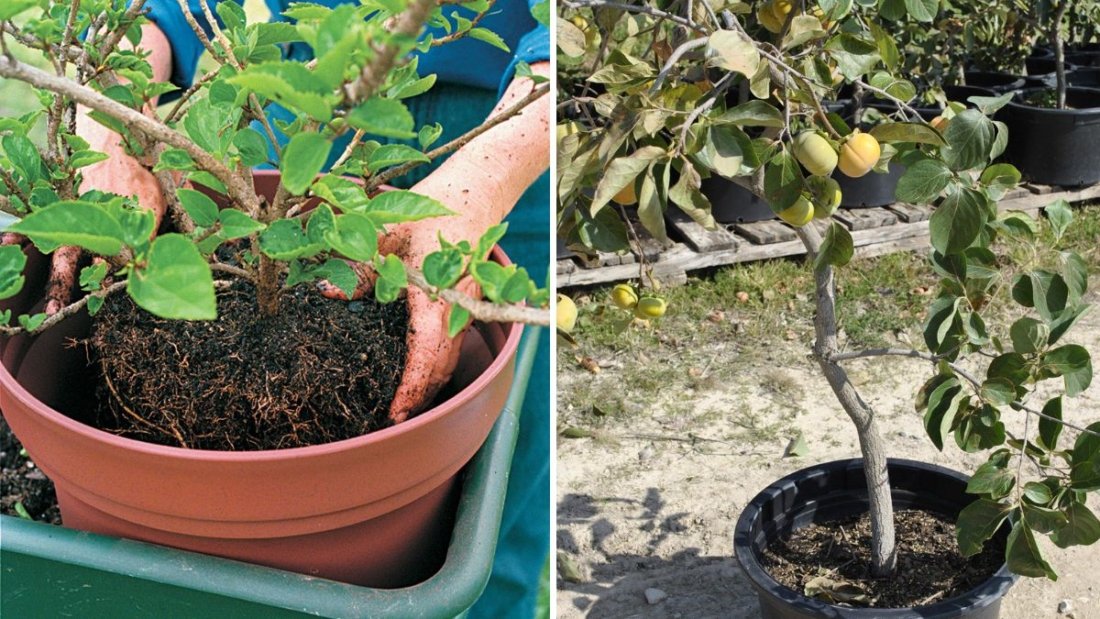
Have you ever noticed roots growing out of the drainage holes at the bottom of your apricot container pot? If so, you’re witnessing a sign of healthy, vigorous growth — but also a cue that your apricot tree is ready for a change. When an apricot’s roots start emerging through the bottom, it’s telling you that it has outgrown its container and needs more space to continue thriving.

In this comprehensive guide, we’ll explore why apricot trees develop roots through the bottom of containers, what it means for their growth, how to handle the situation correctly, and how to keep your plant strong, healthy, and productive for years to come.


1. Understanding Why Apricot Roots Grow Through the Pot Bottom

Apricot trees are fast-growing fruit plants with an extensive root system. When grown in containers, their roots eventually fill the available space. Once the pot becomes crowded, the roots start searching for new soil, moisture, and nutrients — often finding their way through drainage holes at the bottom.

This phenomenon is root escape or bottom rooting, and it’s common in container-grown trees. It typically means your apricot tree is thriving but confined. The roots are doing what comes naturally — expanding in search of resources.

However, while it might seem harmless, roots growing out of the pot bottom can eventually become problematic if not addressed in time.


2. What Rooting Through the Bottom Tells You About Your Plant

When you see roots poking through drainage holes, it usually means one or more of the following:

  • The tree has outgrown its pot. The root ball has filled the container, and there’s little room for further growth.
  • Nutrient depletion. The confined soil can no longer provide enough nutrients to support healthy growth.
  • Poor drainage and oxygen circulation. Overcrowded roots can reduce airflow and water drainage, leading to root rot or stunted growth.
  • The plant is seeking more stability. In some cases, roots grow through the bottom to anchor the tree more firmly, especially if placed on soil or grass.

In short, your apricot tree is signaling that it’s ready for repotting or transplanting into a larger container or garden space.


3. Checking If Your Apricot Is Root Bound

Before taking action, it’s important to check whether your apricot tree has become root bound — meaning the roots have filled the pot completely and begun circling around the inside edges.

To inspect this:

  1. Gently lay the container on its side.
  2. Tap the sides or base to loosen the plant.
  3. Carefully slide the root ball out.

If you see tightly wound roots forming a dense mat at the bottom or circling the sides, it’s a clear sign your apricot is root bound. This condition can slow down growth and reduce fruit production if left unchecked.


4. What to Do When Roots Are Growing Out the Bottom

There are three main ways to handle bottom-rooting in apricot trees, depending on your setup and goals:

Option 1: Transplant Into a Larger Container

If you prefer to keep your apricot tree in a pot, move it into a larger one to give the roots more room to grow.

Steps:

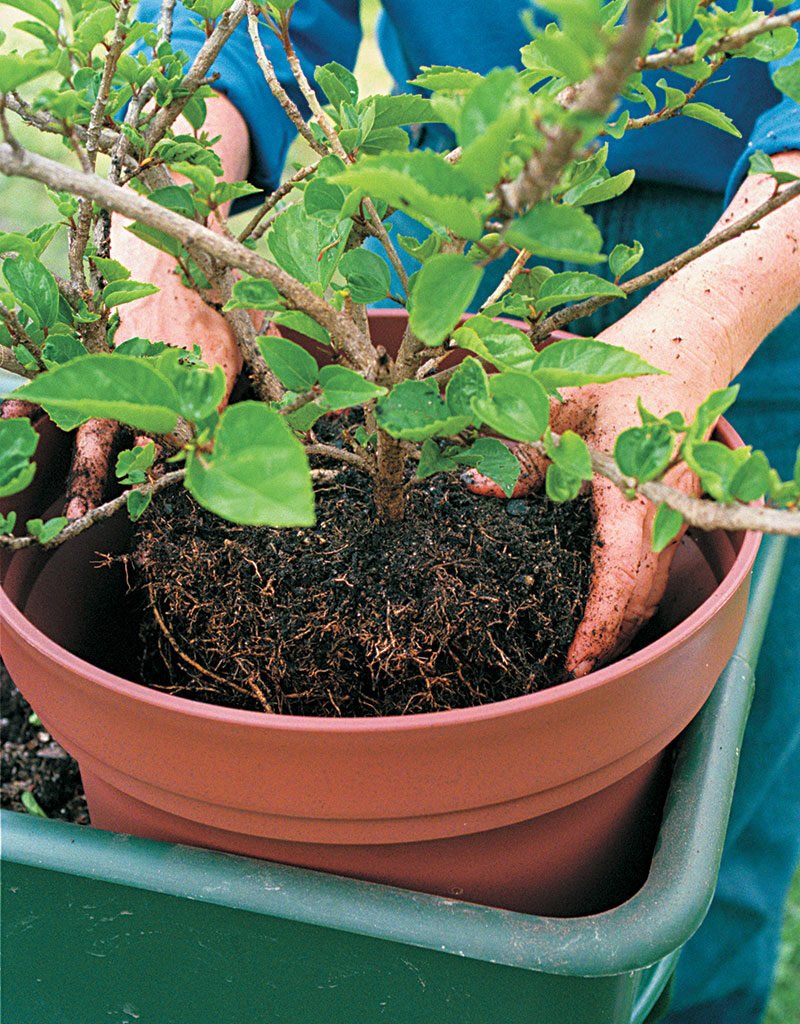
  1. Choose a container that’s at least 4–6 inches wider and deeper than the current one.
  2. Prepare a rich, well-draining soil mix — ideal for fruit trees. A good blend includes:
    • 1 part garden soil
    • 1 part compost or aged manure
    • 1 part sand or perlite for drainage
  3. Trim any damaged or excessively long roots from the bottom.
  4. Place the tree in the new container and fill with soil around the root ball.
  5. Water thoroughly and place in a sunny spot.

This refreshes the soil’s nutrients and gives your apricot room to expand without stress.


Option 2: Transplant Directly Into the Ground

If your apricot has grown too large for container life, planting it in the ground is the best long-term solution.

Steps:

  1. Select a sunny, well-drained location — apricots thrive in full sunlight.
  2. Dig a hole about twice as wide and the same depth as the pot.
  3. Remove the apricot from the pot carefully, loosening circling roots.
  4. Set the tree in the hole, making sure the top of the root ball is level with the ground surface.
  5. Backfill with soil, firm it gently, and water deeply.
  6. Apply mulch around the base to retain moisture and suppress weeds.

Once planted, the roots will naturally spread into the surrounding soil, anchoring the tree and allowing it to grow vigorously.


Option 3: Root Pruning (Temporary Fix)

If transplanting isn’t possible right away, you can temporarily control the problem by root pruning — trimming back the roots that have escaped through the bottom.

Steps:

  1. Gently lift the pot or tilt it to access the roots.
  2. Use sterilized scissors or pruning shears to trim the protruding roots.
  3. Water the plant thoroughly afterward.

Keep in mind that this is only a short-term fix. The tree will eventually need more space as it continues growing.


5. Choosing the Right Container for Apricot Trees

The container you choose has a huge impact on root health and growth. For long-term container growing, it’s essential to pick the right pot type and size.

Recommended container features:

  • Size: Start with at least a 15–20-gallon pot for young trees; mature apricot trees may require 25–30 gallons.
  • Material: Choose breathable materials like terracotta or fabric grow bags to encourage better airflow.
  • Drainage: Ensure there are multiple drainage holes to prevent waterlogging.

Avoid overly small containers or ones with poor drainage — they’re the main reasons roots start escaping through the bottom.


6. Best Soil Mix for Container-Grown Apricots

Apricot trees thrive in loamy, well-drained soil with good organic content. Poor soil can suffocate roots, while too compact soil restricts oxygen flow.

Ideal soil mix for pots:

  • 40% garden soil or loam
  • 30% compost or aged manure
  • 20% coarse sand or perlite
  • 10% coco peat or leaf mold for moisture retention

Adding a handful of bone meal or organic fruit fertilizer at planting time also helps promote strong root and shoot growth.


7. Watering and Feeding After Repotting

Once you’ve transplanted or repotted your apricot, the tree will experience mild stress. Proper watering and feeding will help it recover quickly.

Watering tips:

  • Water immediately after repotting to settle the soil.
  • Keep the soil evenly moist (not soggy) for the first 2–3 weeks.
  • Gradually reduce watering frequency once new growth appears.

Fertilizing:
Feed with a balanced organic fertilizer or compost every 4–6 weeks during the growing season. Avoid overfertilizing, as excessive nitrogen can cause leafy growth at the expense of fruits.


8. Encouraging Healthy Root Growth

Strong roots are the foundation of a healthy apricot tree. Here are some ways to encourage robust root growth:

  • Use deep containers. Apricots prefer space to grow vertically.
  • Avoid overwatering. Roots need oxygen as much as moisture.
  • Add mycorrhizal fungi. These beneficial microbes help roots absorb nutrients efficiently.
  • Rotate pots occasionally. This ensures even sunlight and root development.

Healthy roots equal healthier foliage, stronger branches, and better fruit yield.


9. Signs Your Apricot Tree Is Thriving After Repotting

After proper care, you’ll notice positive signs of recovery and growth:

  • New leaves emerging within 2–3 weeks
  • Stronger, greener foliage
  • Improved water drainage
  • More vigorous root development (if inspected later)

If you planted the tree in the ground, expect visible new shoots by the next growing season.


10. Common Mistakes to Avoid

  • Ignoring root escape: Letting roots grow unchecked through the bottom can restrict airflow and cause them to dry out or rot.
  • Skipping soil refresh: Using old, compact soil without replenishment can starve the plant.
  • Overwatering after transplanting: Excess water can suffocate new roots.
  • Not trimming circling roots: These can strangle the plant as they tighten over time.

Paying attention to these details ensures your apricot tree remains healthy for years.


11. Long-Term Care for Container Apricot Trees

If you decide to keep your apricot in a pot permanently, follow these tips for best results:

  • Repot every 2–3 years to refresh soil and prevent root binding.
  • Prune annually to control size and encourage fruiting.
  • Fertilize during active growth (spring and summer) with balanced or fruit tree-specific feed.
  • Provide full sunlight — at least 6–8 hours daily.

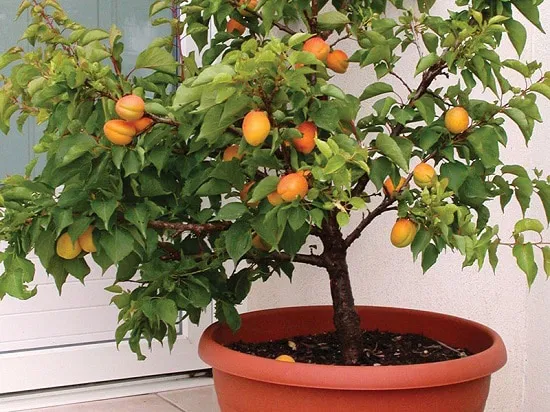
Container apricots can produce delicious fruit if cared for properly, making them a perfect choice for small spaces or patios.


12. The Beauty of Healthy Root Growth

Roots growing through the bottom of your apricot pot aren’t a problem — they’re a sign that your tree is growing strong and seeking more room to thrive. By repotting, trimming, or transplanting wisely, you’re giving your plant the space it needs to flourish and bear sweet, golden fruits.

Watching your apricot tree recover and thrive after such a change is one of the most rewarding moments for any gardener. The process not only improves the health of your tree but also deepens your understanding of plant growth and care.


Final Thoughts

When your apricot tree starts rooting through the bottom of its container, it’s simply nature’s way of saying, “I’m ready to grow more.” Instead of worrying, use it as an opportunity to give your tree the space and nutrients it deserves.

With the right soil, a suitable pot, proper watering, and a little patience, your apricot will bounce back stronger than ever — rewarding you with beautiful blossoms and sweet fruits in the seasons to come.

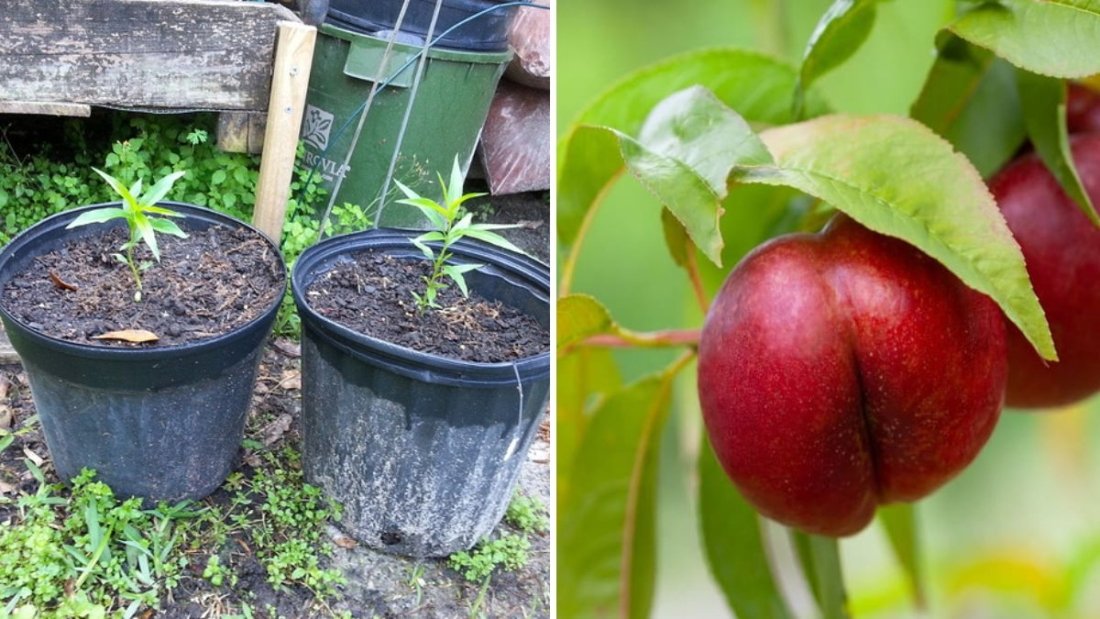
How to Grow a Nectarine Tree from Seed: Easy Step-by-Step Guide to Successful Germination at Home

How to Grow a Nectarine Tree from Seed: Easy Step-by-Step Guide to Successful Germination at Home

Nectarines are among the most delicious and aromatic fruits you can grow, offering a smooth, juicy texture and sweet flavor that rivals peaches. While many gardeners buy grafted trees from nurseries, growing a nectarine tree from seed is a truly satisfying and educational experience. Not only does it cost almost nothing, but it also lets you watch nature’s magic unfold—from seed to sprout, and eventually, a fruit-bearing tree.

In this detailed 1200-word guide, you’ll learn how to grow a nectarine tree from seed easily at home, covering everything from extracting and germinating the seed to planting, caring for, and nurturing your young tree.


1. Understanding Nectarine Seeds

Nectarines (Prunus persica var. nucipersica) belong to the same family as peaches, and their seeds are nearly identical. The seed itself is found inside the hard, woody pit located at the center of the fruit. To start your germination process, you’ll first need to prepare this seed properly.

Nectarine seeds have a natural dormancy period that protects them from sprouting too early in nature. They require a cold stratification phase to simulate winter, which helps trigger germination once temperatures warm up. This is a key step you’ll need to mimic at home for successful growth.


2. Collecting and Preparing the Seed

Begin by selecting a fully ripe nectarine—the riper the fruit, the more mature and viable the seed inside. Eat the fruit or scoop out the pit carefully. Wash the pit thoroughly under running water to remove any pulp or juice residue, as leftover fruit can attract mold or bacteria.

Allow the cleaned pit to air dry for 2–3 days in a shaded, well-ventilated area. This helps harden the outer shell and makes it easier to handle during the next steps.

Now, you have two choices for germination:

  • Option 1: Germinate with the whole pit (slower but safer)
  • Option 2: Crack open the pit to remove the inner seed (faster germination)

If you choose to extract the seed, do so carefully. Use a nutcracker, hammer, or vise to gently crack the outer shell. Inside, you’ll find an almond-like seed—this is what will sprout. Avoid damaging it, as any injury could prevent germination.


3. The Cold Stratification Process

Cold stratification is the most crucial step when growing nectarines from seed. It mimics natural winter conditions and signals to the seed that it’s time to awaken and grow when the weather warms up.

Here’s how to do it at home:

You’ll need:

  • A resealable plastic bag
  • A few sheets of paper towel (or peat moss/coco peat)
  • A spray bottle with clean water
  • Your nectarine seeds

Steps:

  1. Moisten the paper towel until it’s damp but not dripping wet.
  2. Place the nectarine seed on the towel and fold it around the seed.
  3. Place this towel inside the plastic bag and seal it partially to allow air circulation.
  4. Label the bag with the date and type of seed.
  5. Store it in your refrigerator (not freezer) for 8–10 weeks.

During this period, check the seeds every 2 weeks. If you notice mold, clean the seed gently and replace the paper towel. After about 6–10 weeks, you’ll likely see a small root emerging from the seed—this means it has successfully germinated and is ready for planting.


4. Planting the Germinated Nectarine Seed

Once your seed has sprouted, it’s time to plant it in soil. Nectarines grow best in well-draining, fertile soil, rich in organic matter.

Ideal soil mix:

  • 1 part garden soil
  • 1 part compost or aged manure
  • 1 part sand or perlite for better drainage

Use a pot with drainage holes, at least 8–10 inches deep, to allow room for root growth.

Planting steps:

  1. Fill the pot with the soil mixture and make a 2-inch deep hole.
  2. Place the germinated seed in the hole, root side down, and cover lightly with soil.
  3. Water gently but thoroughly.
  4. Place the pot in a warm, sunny location where it can receive 6–8 hours of sunlight each day.

Keep the soil moist but never soggy, as overwatering can cause the root to rot before it establishes.


5. Caring for Your Nectarine Seedling

Your seedling will start emerging from the soil within 3–4 weeks. At this stage, it’s delicate, so it needs consistent care.

Watering: Keep the soil evenly moist. Water whenever the top inch of soil feels dry to the touch.

Light: Nectarine seedlings thrive in bright sunlight. If growing indoors, place them near a south-facing window or use a grow light.

Temperature: Ideal temperature for growth is between 18°C to 27°C (65°F–80°F). Protect your young plant from cold drafts and sudden temperature changes.

Fertilization: After about 6 weeks, when the seedling has developed 4–6 leaves, begin feeding it with a mild liquid fertilizer (diluted to half strength). Organic fertilizers like compost tea or seaweed extract work well.

Hardening off: Once your plant grows strong enough, gradually move it outdoors for a few hours each day to get used to natural light and wind. This process helps it adjust before permanent outdoor planting.


6. Transplanting the Young Tree

After about 3–4 months, when your seedling reaches 10–12 inches tall and has a sturdy stem, it’s ready for transplanting into a larger container or directly into your garden.

For garden planting:
Choose a sunny spot with well-draining soil. Dig a hole twice as wide and just as deep as the seedling’s root ball. Gently place the seedling, cover with soil, and water thoroughly.

For container growing:
Select a pot that’s at least 15–20 gallons in capacity. Nectarines can grow well in containers if provided with proper care, pruning, and nutrients.

Keep in mind that nectarines prefer slightly acidic soil (pH 6.0–6.5) and plenty of sunlight.


7. Pruning and Training

Pruning is essential for shaping your nectarine tree and promoting healthy fruit production.

First Year:
Let the seedling grow freely to establish its roots and main branches.

Second Year Onward:
Start pruning to create a strong, open-center shape that allows light and air to reach all branches. Remove any weak, damaged, or crossing branches.

This not only improves fruit yield but also prevents fungal infections and pest attacks by enhancing airflow.


8. Fertilizing and Watering Mature Trees

Once your nectarine tree is established, proper fertilization and watering become crucial to ensure healthy growth and fruiting.

Fertilizer schedule:

  • Apply a balanced fertilizer (10-10-10) once in early spring.
  • Repeat in midsummer to encourage new growth.
  • Supplement with organic compost around the tree base annually.

Watering:
Water deeply once a week, especially during dry periods. Nectarines need consistent moisture but not standing water. Mulch around the base of the tree to retain moisture and prevent weeds.


9. Flowering and Fruiting

Growing a nectarine tree from seed requires patience. Typically, seed-grown trees begin to flower and bear fruit after 3–4 years. However, the wait is worth it — homegrown nectarines are full of flavor and sweetness.

You’ll notice beautiful pink blossoms in spring, which eventually develop into small green fruits. As they mature, they turn yellow or red, depending on the variety. Thin out excess fruits early to allow the remaining ones to grow larger and juicier.


10. Common Problems and Natural Remedies

Like other stone fruits, nectarines can be prone to pests and diseases. However, with early care, most issues can be managed easily.

  • Leaf Curl: A fungal disease that causes distorted leaves. Prevent it by spraying neem oil before buds open in spring.
  • Aphids and Mites: These insects suck sap from young leaves. Use insecticidal soap or neem oil spray to control them naturally.
  • Powdery Mildew: A white coating on leaves and fruits. Avoid overhead watering and ensure good air circulation.
  • Root Rot: Prevent this by ensuring well-draining soil and avoiding overwatering.

Routine inspection and organic pest control methods are usually enough to maintain a healthy tree.


11. Tips for Success

  • Always start with fresh, ripe nectarines for the best chance of viable seeds.
  • Don’t skip the cold stratification process — it’s essential for germination.
  • Patience is key. A seed-grown tree may take a few years to bear fruit, but the experience is highly rewarding.
  • Protect young trees from frost during winter using mulch or covers.
  • For indoor growing, prune regularly to maintain a manageable size.

12. The Reward of Homegrown Nectarines

Growing a nectarine tree from seed connects you to the natural rhythm of plant life. Watching your tiny seed transform into a blooming, fruit-bearing tree is an incredibly fulfilling process. Not only will you enjoy fresh, organic nectarines, but you’ll also have a beautiful tree that adds life and fragrance to your home or garden.

Whether you grow it in a pot on your patio or plant it in your backyard, the nectarine tree rewards patience with sweet, juicy fruits that are perfect for eating fresh, blending into smoothies, or making jams and desserts.


Final Thoughts

Learning how to grow a nectarine tree from seed is a wonderful gardening adventure that combines patience, care, and natural beauty. By following these simple steps — collecting, stratifying, germinating, and nurturing — you can turn a single nectarine seed into a thriving tree that produces delicious fruits for years to come.

So next time you enjoy a nectarine, save the pit and give it a second life — plant it, care for it, and watch your own homegrown nectarine tree flourish!

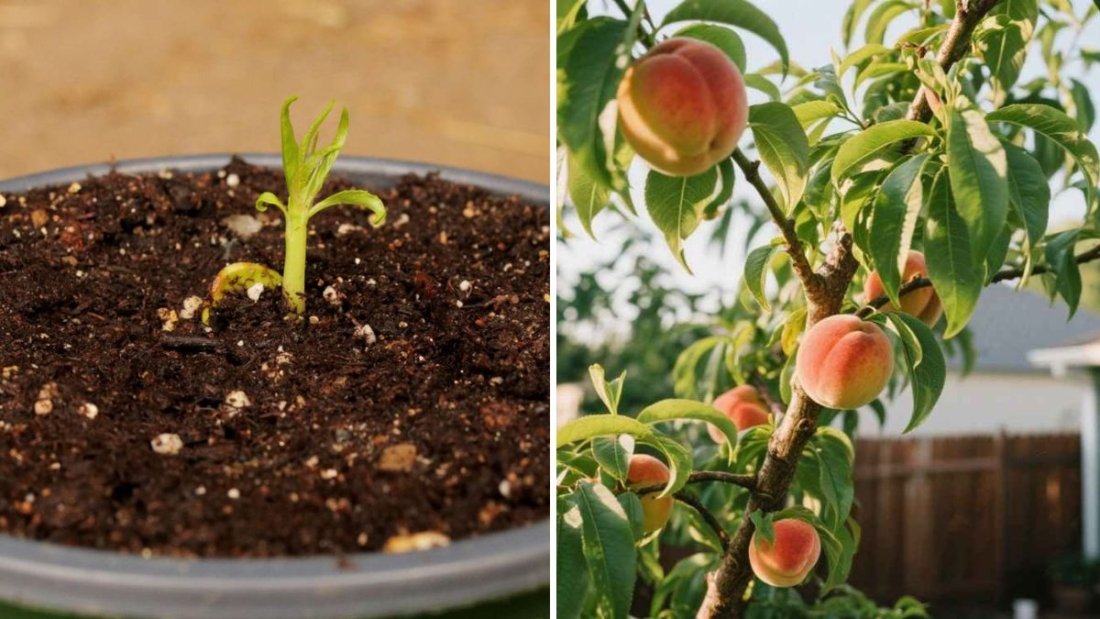
How to Grow a Peach Tree from Seed Easily: Step-by-Step Home Germination Guide

How to Grow a Peach Tree from Seed Easily: Step-by-Step Home Germination Guide

Peach trees are one of the most rewarding fruit trees you can grow at home. Their sweet, juicy fruits are loved by everyone, and the process of growing a peach tree from seed is both fascinating and cost-effective. Many people think you need to buy nursery plants to grow fruit trees, but with the right approach, you can grow a healthy peach tree right from the seed of a fruit you’ve eaten.

In this detailed guide, you’ll learn how to germinate a peach seed easily at home, care for the seedling, and nurture it into a thriving tree. This method is simple, requires no expensive tools, and can be done in any home environment — even if you’re new to gardening.


1. Understanding the Peach Seed

Before starting the process, it’s important to understand what’s inside the peach pit. When you eat a peach, the hard, woody shell you see in the center is not the actual seed. Inside this hard pit lies the real seed — similar to an almond in shape and color.

The outer shell protects the seed, but it also prevents germination until certain natural conditions are met. In nature, peach seeds fall to the ground in autumn, go through a cold winter, and then sprout in spring when the weather warms up. To replicate this process at home, we need to prepare and “trick” the seed into thinking winter has passed — a process called cold stratification.


2. Collecting and Preparing the Seed

Start by choosing a fully ripe peach. Eat the fruit and carefully remove the pit. Wash it thoroughly under running water to remove any fruit residue, as leftover pulp can lead to mold during germination. Let the pit dry for a day or two in a cool, airy place.

Once dry, you have two options for germination:

  • Germinate with the pit intact, or
  • Crack open the pit and use the seed inside for faster results.

Using the seed directly speeds up the germination process. To extract it safely, use a nutcracker or gently tap the pit with a hammer. Be careful not to damage the seed inside.


3. Cold Stratification: The Key to Germination

Peach seeds require a period of cold dormancy to trigger germination. This step mimics the natural winter conditions that help the seed sprout when spring arrives.

Here’s how to do it easily at home:

You’ll need:

  • A resealable plastic bag
  • A few sheets of paper towel or a bit of moist peat moss
  • The peach seed

Steps:

  1. Moisten the paper towel slightly — it should be damp, not soaking wet.
  2. Wrap the peach seed in the towel and place it inside the plastic bag.
  3. Label the bag with the date and type of seed.
  4. Store the bag in your refrigerator (not freezer) for 8–10 weeks.

Keep checking every two weeks to ensure the towel remains slightly damp and free from mold. After about 6–10 weeks, you’ll notice the seed cracking open and a tiny root emerging — that’s a sign your peach seed is ready to plant!


4. Planting the Germinated Seed

Once your seed has sprouted, it’s time to move it into soil. Choose a deep container or pot with good drainage holes.

Best soil mix:

  • 1 part garden soil
  • 1 part compost or organic matter
  • 1 part sand or perlite for drainage

Fill the pot with this mix and make a small hole about 2–3 inches deep. Place the germinated seed gently with the root facing down. Cover it lightly with soil and water thoroughly.

Keep the pot in a warm, bright location, such as near a sunny window or balcony, where it can receive at least 6 hours of sunlight per day.


5. Caring for the Peach Seedling

Your peach seedling will emerge within 2–4 weeks after planting. At this stage, it’s very delicate, so provide consistent care:

  • Watering: Keep the soil consistently moist but never waterlogged. Overwatering can cause root rot.
  • Sunlight: Peach seedlings love sunlight. Ensure they get 6–8 hours of bright light daily.
  • Temperature: Ideal growing temperature ranges between 18°C to 25°C (65°F–77°F). Avoid exposing the young plant to frost or extreme heat.
  • Fertilization: When the seedling grows 4–6 inches tall, feed it with a mild liquid fertilizer every 2–3 weeks. Organic compost tea or diluted seaweed fertilizer works great.

If your seedling is growing indoors, gently move it outdoors for a few hours daily once it grows stronger. This helps it adapt to sunlight and outdoor air, a process known as hardening off.


6. Transplanting the Young Peach Tree

When your seedling reaches about 10–12 inches tall, and roots begin to fill the pot, it’s time to transplant it to a larger container or directly into the ground.

For outdoor planting:
Choose a sunny location with well-drained soil. Peach trees thrive in slightly acidic soil (pH 6.0–6.5). Dig a hole twice as wide and just as deep as the root ball. Place the young tree, cover it with soil, and water deeply.

For container gardening:
Use a large pot (at least 15–20 gallons) to allow healthy root growth. Ensure proper drainage and continue to water regularly.


7. Training and Pruning

As your peach tree grows, pruning becomes essential for shaping and encouraging fruiting.

  • First year: Allow the plant to grow freely to establish roots.
  • Second year: Start pruning to form a strong framework of branches. Cut away weak or crossing branches.
  • Later years: Prune yearly to maintain good airflow and sunlight penetration.

Regular pruning encourages new growth and better fruit production in the long term.


8. Fertilizing and Watering Mature Trees

Once your peach tree becomes established, it will require consistent feeding and watering to thrive:

  • Watering: Deeply water once a week, ensuring moisture reaches the root zone. During hot summer months, increase frequency slightly.
  • Fertilization: Apply a balanced fertilizer (10-10-10) in early spring before new growth begins. Supplement with compost or organic matter to improve soil fertility.

Mulching around the base of the tree helps retain soil moisture and prevents weed growth.


9. Flowering and Fruit Production

Growing a peach tree from seed requires patience — it usually takes 3 to 4 years before the tree begins to flower and produce fruit. Once mature, it blooms in spring with beautiful pink blossoms that later turn into small green peaches.

As fruits develop, thin out excess ones to prevent overburdening the branches. This also ensures that the remaining peaches grow larger and juicier.


10. Common Problems and Natural Solutions

Like any fruit tree, peach trees may face challenges. Here are some common problems and how to handle them naturally:

  • Leaf Curl: Caused by fungal infection. Use a natural neem oil spray and avoid watering the foliage.
  • Aphids: These small insects can damage new shoots. Control them using insecticidal soap or neem oil.
  • Root Rot: Avoid waterlogging and ensure good drainage in your container or soil.

Regular observation and early action are key to maintaining a healthy tree.


11. Tips for Success

  • Always start with fresh, organic peaches to increase germination success.
  • Don’t rush the stratification process — the cold period is crucial.
  • Be patient! Growing a tree from seed is a slow process, but the reward is worth the wait.
  • For colder climates, protect young trees from frost using mulch or covers.

12. The Joy of Homegrown Peaches

There’s a unique satisfaction in growing a fruit tree from seed and enjoying its fruits years later. Besides the tasty harvest, a peach tree adds beauty to your garden with its lush green leaves and stunning blossoms. Even if you grow it in a container, it becomes a beautiful ornamental addition to your home garden or balcony.


Final Thoughts

Growing a peach tree from seed is a wonderful project that connects you directly with nature’s cycle — from fruit to seed, and from seed to tree. With the simple method of cold stratification, proper planting, and consistent care, you can turn a single peach pit into a thriving tree that bears delicious fruit year after year.

So, the next time you enjoy a juicy peach, don’t throw away the seed. Instead, plant it — and start your journey toward growing your very own peach tree at home.

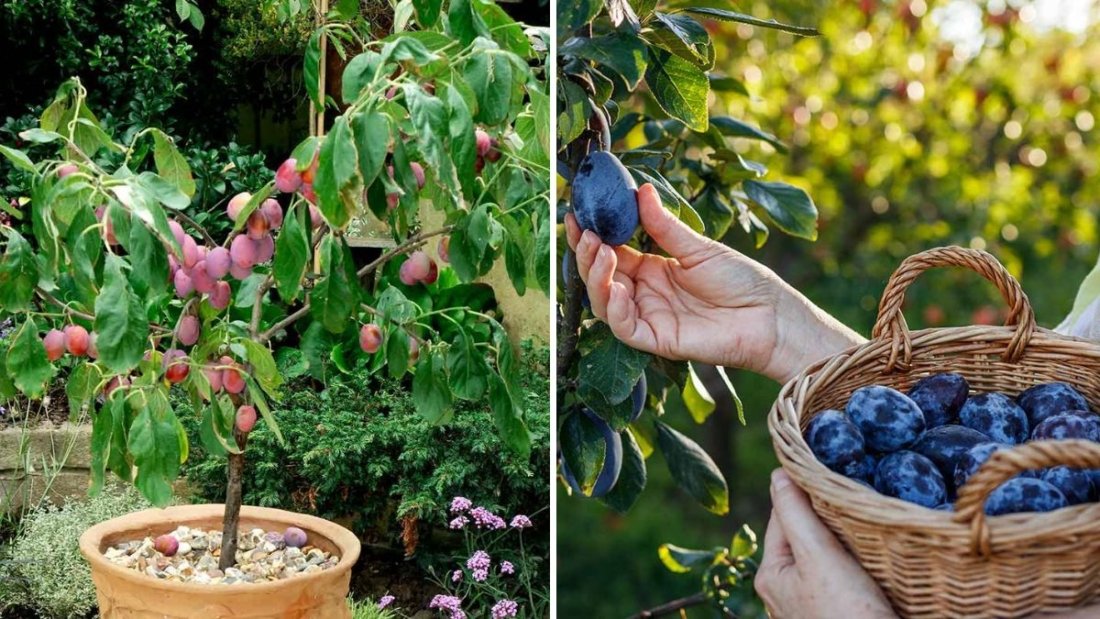
How to Grow a Plum Tree from Fruit Using a Natural Rooting Hormone — 100% Success Method for Home Gardeners

How to Grow a Plum Tree from Fruit Using a Natural Rooting Hormone — 100% Success Method for Home Gardeners

Have you ever wished you could grow your own plum tree straight from the fruit you just enjoyed? It might sound complicated, but with a simple natural rooting hormone and the right technique, you can grow a healthy plum tree from seed with 100% success. Whether you’re an experienced gardener or a beginner looking for a fun and rewarding project, this guide will walk you step-by-step through the entire process — from extracting the seed to nurturing your young plum sapling.

Let’s explore this new, natural, and effective idea for growing plum trees right at home!


1. Why Grow Plum Trees from Fruit?

Plums are one of the most delicious and versatile fruits, loved for their sweet, slightly tangy flavor. Growing your own plum tree from a store-bought fruit is not only cost-effective but also deeply satisfying. You’ll witness the miracle of life from a single seed transforming into a lush, fruit-bearing tree.

Unlike buying grafted plants from a nursery, growing from seed allows you to experiment, learn, and even produce a unique hybrid depending on the parent fruit. And with this natural rooting hormone method, you’ll boost your success rate and speed up germination significantly.


2. Choosing the Right Plum Fruit

The first step is selecting the right plum fruit. Not all plums will germinate successfully, especially if they have been treated to prevent sprouting.

Here’s what to look for:

  • Choose organic or locally grown plums — they are less likely to be chemically treated.
  • Pick fully ripe, healthy fruits with no bruises or signs of rot.
  • Any variety will work — red, black, or yellow plums — but ensure the fruit was grown in a climate similar to yours for better adaptation.

Once you’ve selected the fruit, it’s time to extract and prepare the seed.


3. Extracting and Cleaning the Seed

  1. Remove the pit: Eat or cut open the plum and carefully remove the hard stone (the seed pit) from the center.
  2. Clean thoroughly: Wash off all remaining fruit flesh to prevent mold. You can gently scrub it under running water.
  3. Dry it: Place the clean seed pit on a paper towel and let it air-dry for a day or two.

Some gardeners prefer to crack open the hard outer shell to access the seed inside — this can help speed up germination. If you do this, use a nutcracker or a small hammer carefully to avoid damaging the inner seed.


4. The Role of Natural Rooting Hormones

To increase germination and rooting success, we’ll use a natural rooting hormone instead of synthetic chemicals. Natural hormones help stimulate root growth, protect the seed from rot, and improve sprouting speed.

You can easily make one at home using these simple ingredients:

Option 1: Honey Solution

  • Mix one tablespoon of raw honey in two cups of warm water.
  • Stir well and let it cool.
  • Soak your cleaned plum seeds in this solution for 2–3 hours.

Honey has antifungal and antibacterial properties and naturally stimulates root development.

Option 2: Aloe Vera Gel

  • Extract gel from a fresh aloe vera leaf.
  • Mix it with a little water to make a smooth liquid.
  • Soak your seeds in this aloe mixture for a few hours before planting.

Aloe vera contains enzymes and hormones that encourage faster root growth while keeping the seed hydrated.

Either method works perfectly — and both are 100% natural and chemical-free.


5. Cold Stratification: Simulating Winter to Wake the Seed

Plum seeds naturally go through a period of dormancy during winter before sprouting in spring. To mimic this natural process at home, you’ll need to stratify the seeds — that is, expose them to cold conditions to break dormancy.

Here’s how to stratify plum seeds:

  1. Wrap the treated seeds (after soaking in the natural rooting hormone) in a slightly damp paper towel.
  2. Place the towel inside a ziplock bag or an airtight plastic container.
  3. Label it with the date and store it in your refrigerator — not the freezer — for about 6 to 8 weeks.

During this time, check once every 10 days to ensure the towel remains moist (not soggy). After about 4–6 weeks, you may notice small roots emerging from some seeds — a clear sign that germination has started.


6. Preparing the Soil and Pots

Once your plum seeds start sprouting, it’s time to transfer them to pots for further growth.

Ideal soil mix:

  • 40% garden soil
  • 30% organic compost or well-rotted manure
  • 20% coco peat or peat moss (for moisture retention)
  • 10% sand or perlite (for good drainage)

Plum seedlings don’t like waterlogged conditions, so good drainage is essential.

Choose small pots (about 6–8 inches deep) with drainage holes at the bottom.


7. Planting the Sprouted Seeds

Steps to plant plum seeds:

  1. Fill each pot with the prepared soil mix.
  2. Make a small hole about 1 inch deep.
  3. Place the sprouted seed gently into the hole, root side down.
  4. Cover lightly with soil and water gently.
  5. Place the pots in a warm, bright area but away from direct harsh sunlight.

Keep the soil moist but not wet during the early growth stage. Within a few weeks, you’ll see green shoots emerging from the soil — a magical moment for any gardener!


8. Caring for Plum Seedlings

Proper care in the first few months is critical to ensure healthy, strong growth.

Light:
Plum seedlings need plenty of sunlight, about 6–8 hours per day. Once they’re about 4–6 inches tall, you can move them to a sunnier location or outdoors if the weather is mild.

Watering:
Water regularly, but always allow the top inch of soil to dry before watering again. Overwatering can cause root rot.

Temperature:
Ideal germination and growth temperatures range between 18°C and 25°C (65°F–77°F). Protect young seedlings from frost or excessive heat.

Fertilizer:
After 6–8 weeks, feed your seedlings with a mild organic liquid fertilizer every 2–3 weeks. Compost tea, fish emulsion, or seaweed extract are great natural options.


9. Transplanting into the Ground

After about 4–6 months, your plum seedlings should be around 10–12 inches tall and ready for transplanting.

Here’s how to transplant successfully:

  1. Choose a sunny spot with well-draining soil.
  2. Dig a hole twice as wide and deep as the root ball.
  3. Gently remove the seedling from the pot without disturbing the roots.
  4. Place it in the hole, fill it with soil, and water thoroughly.
  5. Add a layer of mulch (dry leaves, straw, or wood chips) around the base to retain moisture.

If you’re planting multiple trees, leave 10–15 feet of space between them to allow proper growth and airflow.


10. Pruning and Shaping the Young Tree

Pruning helps shape the plum tree and promotes strong branching.

  • First year: Pinch off the top growth tip when the seedling reaches about 2 feet tall. This encourages side branching.
  • Subsequent years: Remove any dead, weak, or crossing branches to maintain a healthy structure.

A well-shaped young plum tree will grow stronger and bear more fruit as it matures.


11. Common Problems and Natural Solutions

Even with the best care, your plum seedlings might face a few challenges. Here’s how to tackle them naturally:

  • Fungal growth or mold: Use a diluted neem oil spray (1 teaspoon per liter of water) once every two weeks.
  • Aphids or whiteflies: Spray with soapy water or neem oil solution.
  • Yellowing leaves: Indicates overwatering or poor drainage — reduce watering frequency and check pot drainage holes.

Keeping your plants in a well-ventilated area helps prevent most diseases.


12. When Will Your Plum Tree Bear Fruit?

Patience is key! A plum tree grown from seed generally takes 4 to 7 years to produce fruit, depending on the variety and growing conditions. However, once established, it can yield delicious plums for decades.

If you want to speed up fruiting, you can graft your seed-grown sapling onto a mature plum tree rootstock after one or two years. Grafting combines the resilience of the seedling with the fruiting ability of a mature plant.


13. Extra Tips for 100% Success

  • Always start with fresh seeds for best germination.
  • Don’t skip cold stratification — it’s the key to waking up dormant seeds.
  • Use natural rooting hormones like honey or aloe for faster, healthier root development.
  • Be patient — nature works in its own rhythm.

With consistent care and the right setup, you can easily grow multiple plum trees from fruit using this natural method.


Conclusion

Growing a plum tree from fruit is an amazing gardening adventure — and with the natural rooting hormone technique, you can achieve near 100% germination success. From carefully cleaning and stratifying the seed to watching that first tiny sprout emerge, each step brings you closer to enjoying your own homegrown plums.

Whether you’re doing it for fun, sustainability, or the joy of gardening, this simple and natural method will help you create a thriving plum tree that can provide sweet, juicy fruits for years to come.

Start today with a single plum — and soon, you’ll have your very own orchard growing right in your

How to Grow Cherry Trees from Seeds in Just 15 Days — Easy Step-by-Step Guide for Beginners

How to Grow Cherry Trees from Seeds in Just 15 Days — Easy Step-by-Step Guide for Beginners

Growing cherry trees from seeds might sound like a slow and challenging process, but with the right method, you can actually germinate them in as little as 15 days! Whether you love the sweet, juicy cherries or simply want to enjoy their beautiful blossoms in your garden, this guide will walk you through every step — from preparing the seeds to caring for your young cherry plants.

Let’s dive into how you can grow cherry trees quickly, naturally, and successfully at home.


1. Why Grow Cherries from Seeds?

Growing cherry trees from seeds is not only cost-effective but also incredibly rewarding. Instead of buying nursery plants, you can start your own tree from fresh cherries you eat at home. Plus, it gives you a deeper understanding of how plants grow — from seed to harvest.

While growing from seeds takes more time compared to buying a grafted tree, the satisfaction of nurturing your own plant is unmatched. With the right germination technique, you can see the seeds sprouting in just two weeks — much faster than traditional methods that can take months.


2. Choosing the Right Type of Cherry

Before starting, it’s essential to understand that there are two main types of cherry trees:

  • Sweet cherries (Prunus avium) – These are the ones you usually find in grocery stores and are great for eating fresh.
  • Sour cherries (Prunus cerasus) – These have a tangy flavor and are ideal for cooking, baking, or making jams.

If you live in a warmer climate, sweet cherries are a better choice. For cooler regions, sour cherries tend to perform better.

You can grow cherries from seeds collected from store-bought fruits, but it’s best to choose locally grown or organic cherries, as imported ones are often treated to prevent sprouting.


3. Collecting and Preparing Cherry Seeds

Start with fresh, ripe cherries. Avoid overripe or underripe fruits, as they may contain immature seeds.

Steps to prepare the seeds:

  1. Remove the pits (seeds) from the cherries and wash them thoroughly to remove all fruit flesh. Any leftover pulp can cause mold during germination.
  2. Once clean, place the seeds in a bowl of water and let them soak for 24 hours. This softens the outer shell and helps speed up germination.
  3. After soaking, take the seeds out and dry them on a paper towel for a few hours.

Now your seeds are ready for the next important step — stratification.


4. Stratification: Mimicking Winter for Faster Germination

Cherry seeds need a period of cold to break dormancy and start growing. This natural process is called cold stratification. In nature, it happens when seeds fall to the ground in autumn and sprout the following spring. But you can replicate this process at home in your refrigerator.

Here’s how to stratify cherry seeds:

  1. Wrap the seeds in a damp paper towel (not soaking wet).
  2. Place the towel in a ziplock plastic bag or airtight container.
  3. Store the bag in your refrigerator (not freezer) for about 10–14 days.
  4. Check every few days to make sure the towel stays slightly moist and to monitor sprouting.

After around 10 to 15 days, you should notice small roots emerging from the seeds — a sign that germination has begun!


5. Planting Cherry Seeds After Germination

Once the seeds sprout, it’s time to move them into soil so they can start developing into young seedlings.

Materials you’ll need:

  • Small pots or seed trays
  • Well-draining potting soil (a mix of garden soil, coco peat, and compost works great)
  • A small watering can or spray bottle

Steps for planting:

  1. Fill the pots with potting soil, leaving about an inch of space at the top.
  2. Gently place each germinated seed about 1 inch deep into the soil.
  3. Cover it lightly with soil and water gently to keep the soil moist but not soggy.
  4. Place the pots in a warm, bright area — ideally near a window with indirect sunlight.

Make sure to keep the soil consistently moist during the early growth stage. Overwatering, however, can cause the seedling roots to rot.


6. Caring for Cherry Seedlings

In the first few weeks, your tiny cherry seedlings need the right care to grow strong and healthy.

Light:
Cherry seedlings need about 6–8 hours of sunlight daily. If you’re growing indoors, you can use a grow light to supplement natural light.

Water:
Keep the soil consistently moist but never waterlogged. Water only when the top inch of soil feels dry.

Temperature:
Cherry plants prefer temperatures between 20°C to 25°C (68°F to 77°F) during germination and early growth. Avoid exposing young seedlings to sudden cold drafts or high heat.

Fertilizer:
Once your seedlings develop their second set of true leaves, feed them with a diluted liquid fertilizer (half-strength) every 2–3 weeks. Organic compost tea or a mild balanced fertilizer (10-10-10) works well.


7. Transplanting Cherry Plants

After about 8–10 weeks, your cherry seedlings will be tall enough (around 6–8 inches) to transplant into larger pots or directly into your garden.

Transplanting steps:

  1. Choose a sunny spot with well-drained soil.
  2. Dig a hole twice the size of the seedling’s root ball.
  3. Carefully remove the seedling from its container, keeping the soil intact around the roots.
  4. Place it into the hole and backfill with soil.
  5. Water thoroughly after planting and add a layer of mulch around the base to retain moisture.

If transplanting outdoors, make sure to harden off your seedlings first by gradually exposing them to outdoor conditions over 7–10 days.


8. Soil and pH Requirements

Cherries thrive in slightly acidic to neutral soil (pH 6.0–7.0). The soil should be loose, fertile, and well-draining. Adding organic compost before planting helps improve soil texture and nutrient levels.

Avoid heavy clay soils, which can retain too much water and suffocate the roots. If your soil is heavy, plant cherries in raised beds or large containers with a sandy loam mix.


9. Pruning and Shaping Young Cherry Trees

As your cherry plants grow taller, pruning is essential to encourage healthy branching and airflow.

  • At around 1 year old, pinch the top of the main stem to promote side shoots.
  • Remove any weak or crossing branches to maintain an open shape.
  • Always use clean, sharp pruning tools to prevent disease.

Proper pruning will help your cherry tree develop a strong framework and produce better fruit in the long run.


10. Fertilizing and Watering Mature Cherry Plants

Once your cherry tree is established, it needs consistent care to grow well.

  • Water deeply once a week, especially during dry months.
  • Apply a balanced organic fertilizer twice a year — once in spring and again in midsummer.
  • Mulch around the base with straw or leaves to retain soil moisture and regulate temperature.

Avoid over-fertilizing with nitrogen-rich products, as this encourages leafy growth rather than fruit production.


11. Pests and Diseases to Watch Out For

While cherry trees are relatively hardy, they can be affected by a few common pests and diseases:

  • Aphids: These small insects feed on new growth. Spray with neem oil or insecticidal soap.
  • Leaf spot: Caused by fungal infections. Remove affected leaves and ensure good air circulation.
  • Birds: They love ripe cherries! Use netting to protect your fruits when the tree starts producing.

Regular inspection and early intervention are key to keeping your cherry plants healthy.


12. When to Expect Fruit

Growing cherries from seeds requires patience. Although germination happens quickly, fruiting takes time. On average, cherry trees grown from seed take 4–7 years to bear fruit.

However, the wait is worth it — the trees are hardy, long-lived, and produce delicious cherries season after season.

If you want to speed up fruiting, you can graft your seed-grown cherry sapling onto a mature cherry rootstock once it’s around 1–2 years old.


13. Final Tips for Success

  • Always start with fresh, untreated seeds.
  • Never skip the cold stratification step — it’s essential for quick germination.
  • Maintain consistent moisture but avoid overwatering.
  • Be patient — even if your tree takes time to mature, the process is a fun and educational gardening journey.

Conclusion

Growing cherry trees from seeds in just 15 days might sound magical, but with the right preparation and care, it’s absolutely achievable. From carefully cleaning and chilling the seeds to watching those first roots sprout, the process is a fascinating and fulfilling experience for any gardener.

With this simple step-by-step guide, you can start your own cherry tree at home — turning a handful of seeds into a beautiful, fruit-bearing tree that will brighten your garden and reward you for years to come.