
Onions are one of the most essential and widely used vegetables in kitchens across the world. Whether used in salads, curries, or sauces, their flavor and aroma are unmatched. But have you ever wondered how farmers grow those perfect, round, and flavorful onions you see in markets? Modern onion farming has come a long way — and today’s innovative cultivation and harvesting techniques make it possible to produce high yields even in small areas.
In this detailed, 1200-word guide, we’ll explore amazing onion farming and harvesting techniques that can help you grow healthy, large, and high-quality onions right at home or on a larger scale. From soil preparation to storage, every step matters when it comes to growing onions efficiently.
Understanding Onion Cultivation
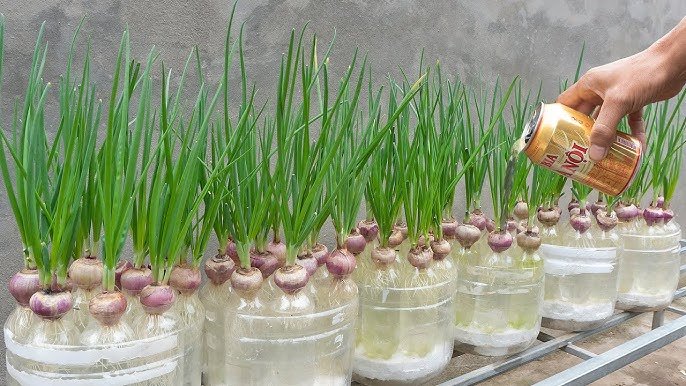
Onion (Allium cepa) is a cool-season crop belonging to the Alliaceae family. It’s grown for its bulbs, which develop underground while the green leaves remain above the soil. The success of onion farming largely depends on selecting the right variety, climate, soil, and farming method.
Ideal Climate and Temperature
Onions prefer a mild climate with cool weather during early growth and warm, dry conditions during bulb formation and harvesting.

- Optimal temperature: 13°C to 25°C (55°F–77°F)
- Excess humidity or rainfall during bulb formation can lead to rotting and fungal diseases.
- Dry and sunny weather ensures firm bulbs and longer shelf life.
Step 1: Selecting the Right Variety
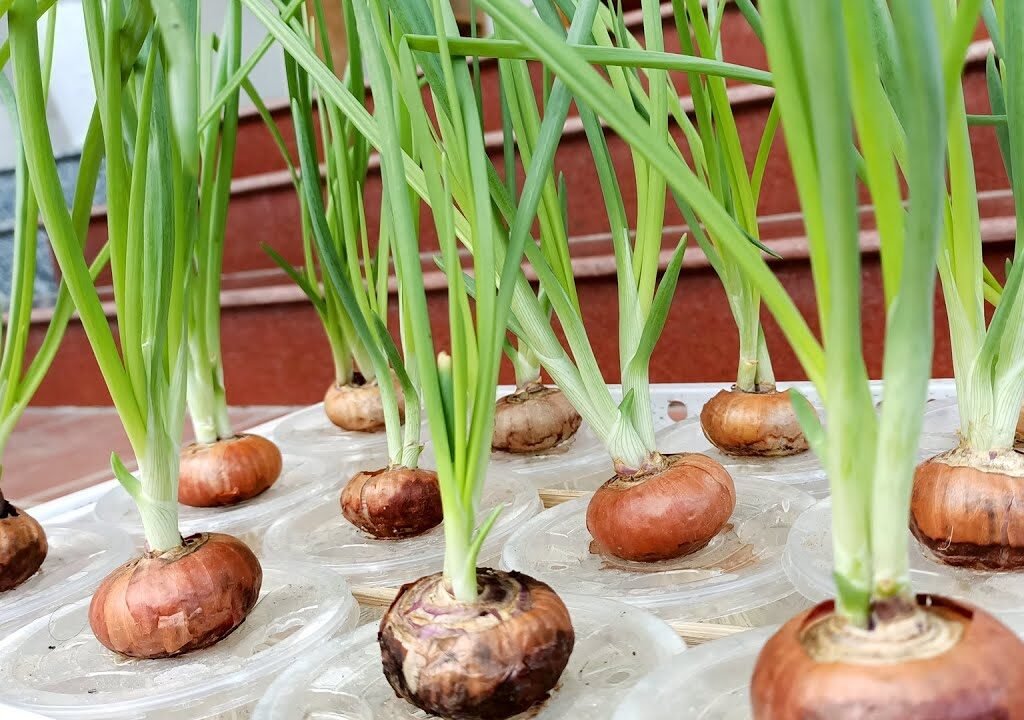
Different onion varieties suit different seasons and regions. Choosing the right one ensures better growth, size, and taste.
Common Types:
- Red Onions: Popular for their strong flavor and long storage life.
- White Onions: Mild flavor, ideal for salads and cooking.
- Yellow/Brown Onions: Most common, great for long-term storage.
- Green Onions (Scallions): Harvested before bulbs form, perfect for quick growth.
Variety Examples:
- Short-Day Onions: Best for southern regions (require less daylight).
- Long-Day Onions: Suited for northern areas (require longer daylight hours).
- Intermediate-Day Onions: Suitable for regions with moderate daylight.
Step 2: Soil Preparation and Land Management
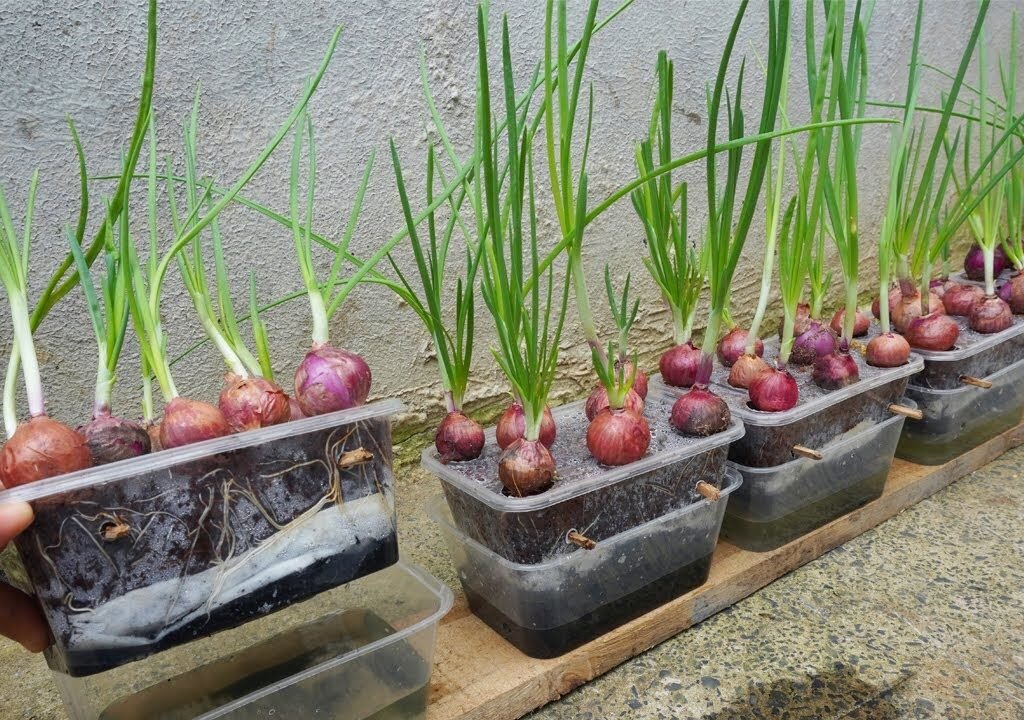
Healthy soil is the foundation of successful onion farming.
Soil Type:
- Onions thrive in loamy or sandy loam soil rich in organic matter.
- The soil should be well-draining since waterlogged conditions can rot bulbs.
- Ideal pH range: 6.0–7.0
Land Preparation:
- Plowing and Leveling:
Start by plowing the field 2–3 times to loosen the soil. Level it well to ensure uniform irrigation. - Add Organic Matter:
Incorporate well-decomposed compost or farmyard manure (10–15 tons/acre) to improve fertility and structure. - Raised Beds or Ridges:
Prepare ridges or raised beds with proper spacing to enhance drainage and airflow around the plants.
Step 3: Seed Selection and Sowing
Onion seeds are small and delicate, requiring careful handling.
Seed Preparation:
- Choose disease-free, high-germination seeds.
- For best results, soak the seeds in warm water for 6–8 hours before sowing to improve germination.
Nursery Preparation:
- Select a small, well-drained area for raising seedlings.
- Mix compost and fine soil evenly.
- Sow seeds about 1 cm deep and lightly cover with soil.
- Keep the soil moist but not waterlogged.
Transplanting:
After 6–8 weeks, when seedlings reach about 15–20 cm height, they are ready for transplanting.

- Transplant during evening hours to avoid heat stress.
- Maintain 10–15 cm spacing between plants and 20–25 cm between rows.
Step 4: Irrigation Management
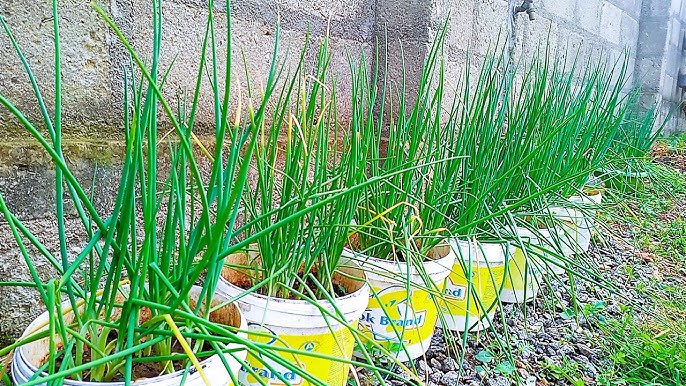
Water is critical for onion bulb development, but it must be applied carefully.
Key Tips:
- First Irrigation: Right after transplanting to help plants settle.
- Subsequent Irrigations: Every 7–10 days in cool weather, or every 4–5 days in hot, dry weather.
- Avoid Overwatering: Too much water can cause fungal infections and poor bulb formation.
- Stop Irrigation: Two weeks before harvest to allow bulbs to mature and dry naturally.
Advanced Techniques:
- Drip irrigation is highly efficient for onion farming. It delivers water directly to the root zone, saving up to 50% water while preventing leaf diseases.
Step 5: Fertilization and Nutrient Management
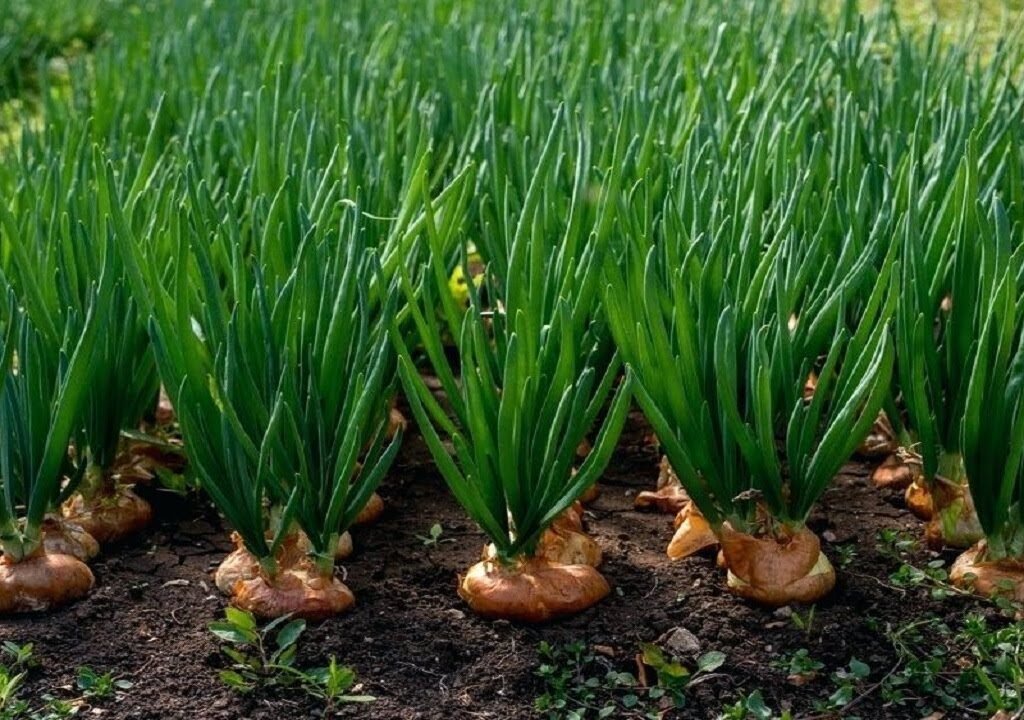
Onions are heavy feeders and require balanced nutrition for optimum yield.
Organic Fertilization:
Before planting, apply compost or farmyard manure (10–15 tons/acre).
Inorganic Fertilizers (per acre basis):
- Nitrogen (N): 60–80 kg
- Phosphorus (P2O5): 40–50 kg
- Potassium (K2O): 40–50 kg
Application Schedule:

- At Planting: Apply all phosphorus and potassium, plus half the nitrogen.
- After 30 Days: Apply the remaining nitrogen in two splits — once after establishment and once before bulb formation.
Micronutrients:
Spray zinc, magnesium, and boron if leaves turn yellow or growth slows. These micronutrients enhance bulb size and quality.
Step 6: Weed and Pest Control
Weeds compete for nutrients and can severely reduce onion yield.
Weed Control:
- Manual Weeding: Perform weeding every 20–25 days during early stages.
- Mulching: Apply organic mulch like straw or leaves to suppress weed growth and retain moisture.
Common Pests:
- Onion Thrips: Cause silvery patches on leaves.
- Control with neem oil spray or insecticidal soap.
- Onion Maggot: Damages roots and bulbs.
- Avoid excessive moisture and rotate crops yearly.
- Cutworms: Feed on young seedlings.
- Use organic repellents or light traps.
Fungal Diseases:
- Downy Mildew and Purple Blotch are common fungal issues.
- Ensure proper spacing and good air circulation.
- Spray organic fungicides like copper-based mixtures or neem extract.
Step 7: Bulb Formation and Crop Maintenance
During the bulb formation stage, proper sunlight and nutrient balance are crucial.
Tips for Healthy Bulb Growth:
- Reduce nitrogen application after bulbs start forming.
- Maintain moderate watering — avoid flooding.
- Keep removing weeds to prevent nutrient competition.
- If leaves start yellowing prematurely, apply foliar feed (liquid fertilizer).
As bulbs mature, leaves naturally start bending and drying at the tips — this is a sign that harvesting time is near.

Step 8: Harvesting Onions
Signs of Maturity:
- 70–80% of the leaves have bent down naturally.
- Outer skin turns dry and papery.
- Bulbs are firm and well-developed.
Harvesting Process:
- Stop irrigation 10–15 days before harvesting.
- Gently loosen the soil using a spade or hand fork.
- Pull out the onions carefully to avoid bruising the bulbs.
- Leave them in the field for 2–3 days to dry under shade.
Curing:
After harvesting, curing is an essential step to extend shelf life.
- Spread onions in a single layer under shade for 10–15 days.
- Allow the neck and outer skin to dry completely.
- Trim the leaves and roots once bulbs are cured.
Step 9: Storage and Marketing
Proper storage ensures that your hard-earned crop lasts for months without spoilage.
Storage Tips:
- Store only well-cured, healthy bulbs.
- Keep them in well-ventilated, dry storage rooms.
- Maintain a temperature of 25°C–30°C and low humidity.
- Avoid direct sunlight or damp conditions.
Packaging and Marketing:
Pack onions in mesh bags or ventilated crates for easy airflow during transportation.
Farmers can sell directly to local markets, wholesalers, or food processing industries. Value-added products like onion powder or flakes are also gaining popularity for additional profit.
Step 10: Advanced Onion Farming Techniques
Modern farmers are adopting innovative practices to boost yield and reduce labor:

- Drip Irrigation with Fertigation:
Supplies both water and nutrients directly to roots with precision. - Mulching with Plastic Sheets:
Reduces weeds and conserves soil moisture. - Crop Rotation:
Growing legumes or leafy greens before onions improves soil health. - Use of Growth Promoters:
Seaweed extracts and organic growth boosters enhance bulb size and resistance to disease. - Mechanical Harvesting:
On large farms, machines are used for digging and curing onions efficiently.
Step 11: Common Mistakes to Avoid
- Overwatering: Leads to rotting and fungal infections.
- Planting in Shade: Onions need full sunlight for strong bulb development.
- Ignoring Soil Health: Poor soil nutrition results in small, weak bulbs.
- Skipping Curing: Harvested onions spoil quickly without proper drying.
Conclusion
Onion cultivation may seem challenging at first, but with the right farming and harvesting techniques, it becomes one of the most rewarding crops to grow. From preparing the soil and selecting the right seeds to managing irrigation and storage, each step contributes to the success of your harvest.
By following these amazing onion farming techniques, you can achieve high yields, better bulb quality, and longer storage life — whether you’re a home gardener or a professional farmer. With smart planning, organic inputs, and modern methods, onion farming can be both sustainable and profitable.

Leave A Comment