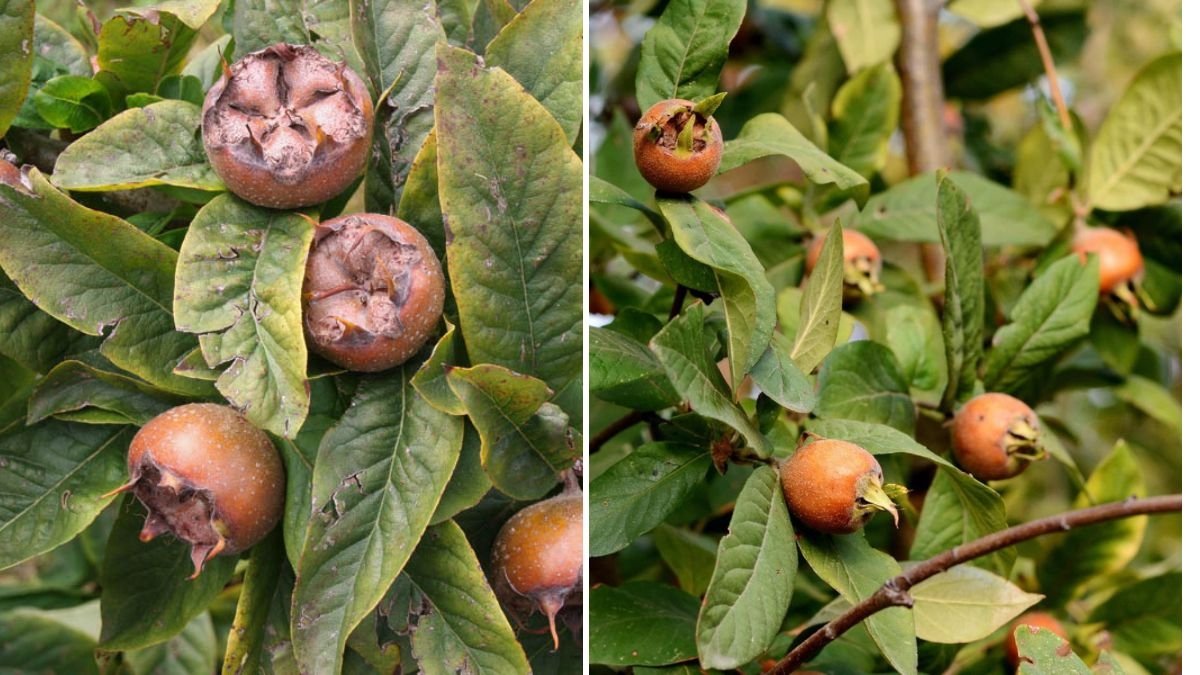
The medlar fruit (scientific name: Mespilus germanica) is one of the most fascinating yet often overlooked fruits in the world. With its unique appearance, unusual ripening process, and rich cultural history, the medlar has intrigued gardeners and fruit lovers for centuries. Though not as popular as apples or pears, this ancient fruit offers a distinct flavor and a window into the past — a taste that connects us to the orchards of medieval Europe and the gardens of ancient civilizations.
In this article, we’ll explore everything you need to know about the medlar fruit — from its origins, cultivation, and propagation to its health benefits, uses, and significance in history.
1. Introduction to Medlar Fruit

The medlar is a small, pome-type fruit belonging to the Rosaceae family, which also includes apples, pears, and quinces. It’s native to Southwest Asia and Southeastern Europe, particularly around the Black Sea region, and has been cultivated for over 3,000 years. The tree is deciduous, growing up to 6 meters tall, with glossy green leaves and attractive white blossoms that appear in late spring.
The fruit itself is about the size of a small apple, usually brown or russet-colored when ripe. What makes medlar fruit truly unique is that it must undergo a process called “bletting” before it becomes edible — a natural softening period after harvest that transforms its texture and flavor.
2. The Unique Appearance and Taste

When freshly picked, the medlar fruit looks somewhat like a small brown apple with an open calyx, often described as having a “star-shaped” or “five-pointed” opening at one end. Because of this, the medlar was historically nicknamed “open-arse fruit” by the Elizabethans due to its unusual shape — an amusing yet accurate description that stuck through history.
However, its appearance belies the delicious transformation it undergoes after ripening. Before bletting, the fruit is hard, acidic, and inedible. But once softened naturally, it turns brown and mushy inside, with a taste often compared to spiced applesauce, dates, or baked pears with a hint of wine-like sweetness.

This process gives medlar its distinctive flavor — sweet, tangy, and richly aromatic — making it a traditional favorite for preserves, jellies, and desserts.
3. The Bletting Process: Making the Inedible Delicious

Perhaps the most fascinating feature of medlar fruit is bletting, a controlled overripening process that makes it palatable. After harvesting in late autumn or early winter, the fruits are stored in a cool, dry place (like a straw-lined box or tray) until their flesh turns soft and brown.
Here’s how the process works:
- Harvest the fruit when it’s firm and fully colored, usually after the first frost.
- Place the fruits in a single layer, with the open ends facing down, on straw or paper in a cool, well-ventilated area.
- Over the next few weeks, natural enzymes break down the fruit’s acids and tannins.
- Once the flesh becomes soft, dark, and slightly wrinkled — resembling a ripe date — the medlar is ready to eat.
At this stage, the texture is custard-like, and the flavor becomes richly sweet with hints of cinnamon and spice — a truly rewarding transformation.
4. Growing and Cultivating Medlar Trees

Growing medlar trees is relatively easy, as they are hardy and adaptable to various climates and soil types.
Soil and Location
Medlar trees thrive in well-drained loamy soil with a neutral to slightly alkaline pH. They prefer full sun but can tolerate partial shade. Avoid waterlogged areas, as excessive moisture can lead to root rot.

Planting
- Best planted in late winter or early spring.
- Dig a hole twice the width of the root ball and as deep as the roots.
- Mix compost or well-rotted manure into the soil to improve fertility.
- Space trees about 4–5 meters apart to allow for full canopy growth.
Watering and Maintenance
Keep the soil consistently moist during the first year after planting. Once established, medlars are drought-tolerant and need only occasional watering during dry spells. Prune lightly in late winter to remove dead wood and maintain a healthy structure.
Pollination
Most medlar varieties are self-fertile, meaning a single tree can produce fruit. However, planting two or more trees can improve yields.
5. Propagation Methods

Medlars can be propagated through seeds, grafting, or cuttings.
By Seeds
Seed propagation is possible but slow. The seeds need cold stratification — about 3–4 months of chilling — before they germinate. It may take several years before the trees begin to bear fruit.
By Grafting
The most common and reliable method is grafting onto rootstocks such as hawthorn (Crataegus monogyna) or quince (Cydonia oblonga). Grafted trees usually bear fruit within 3–4 years.
By Cuttings
Semi-hardwood cuttings can be rooted in summer under controlled conditions. This method helps maintain the characteristics of the parent tree.

6. Popular Varieties of Medlar
Several cultivated varieties of medlar are known for their flavor and productivity:
- ‘Nottingham’ – One of the most popular varieties, known for its rich, aromatic taste and moderate size.
- ‘Dutch’ – Produces larger fruits with firm flesh, ideal for preserves.
- ‘Royal’ – A traditional English variety with excellent flavor after bletting.
- ‘Macrocarpa’ – Noted for its large fruit and ornamental appeal.
7. Harvesting Medlar Fruit
Medlar fruits are typically ready for harvest in late October to early December, depending on the climate. The best time to pick them is after the first frost, which helps trigger the softening process.
Handle the fruits gently to avoid bruising. Place them in shallow trays for bletting as described earlier. Within a few weeks, they’ll be ready to eat or process.
8. Culinary Uses of Medlar
Once bletted, medlar fruit can be eaten raw with a spoon — the soft pulp is sweet and slightly tangy. However, it’s more commonly used in cooking and preserves. Here are some popular ways to enjoy medlars:
Medlar Jelly
A classic delicacy in Europe, medlar jelly is made by simmering the fruit and straining the juice before adding sugar. The result is a clear amber jelly with a rich, spicy flavor.
Medlar Cheese (Fruit Paste)
Similar to quince paste, medlar cheese is a thick, spreadable confection made by cooking the fruit pulp with sugar. It pairs beautifully with cheese and crackers.

Desserts and Baking
The fruit’s unique taste complements cakes, tarts, and puddings. It can also be used as a natural sweetener for sauces and compotes.
Beverages
In some regions, medlars are fermented into wine or liqueurs, valued for their complex aroma and smooth finish.
9. Health Benefits of Medlar Fruit
Beyond its culinary appeal, the medlar fruit offers several nutritional and medicinal benefits:
- Rich in Vitamin C: Boosts the immune system and helps fight infections.
- High in Antioxidants: Helps combat oxidative stress and supports overall wellness.
- Improves Digestion: The natural fibers aid in healthy digestion and bowel movement.
- Supports Heart Health: Contains potassium and polyphenols that help regulate blood pressure.
- Anti-inflammatory Properties: Traditional medicine has used medlar fruit and leaves to soothe inflammation and stomach ailments.
10. Historical and Cultural Significance
The medlar fruit has a long and storied past. It was cultivated by the ancient Greeks and Romans, and by the Middle Ages, it was a common feature in European gardens. In medieval England, medlars were prized winter fruits, often stored and eaten during Christmas festivities.
Writers like Chaucer and Shakespeare referenced medlars in their works, sometimes humorously linking their ripening process to aging or decay — a symbol of patience and transformation. Despite falling out of fashion in the 20th century, medlars are now experiencing a small revival among gardeners and heritage fruit enthusiasts.
11. Challenges and Modern Interest
The medlar’s decline in popularity is mainly due to modern consumers favoring visually appealing fruits. Its unusual texture and appearance make it less suited for commercial markets. However, with growing interest in heirloom fruits and sustainable gardening, the medlar is making a comeback.

Today, gardeners appreciate it not only for its fruit but also for its ornamental value — the tree’s white blossoms in spring and russet fruits in autumn make it a beautiful addition to any garden.
12. Final Thoughts
The medlar fruit is truly a gem of the old world — a fruit that rewards patience and curiosity. From its ancient roots to its modern revival, it stands as a testament to nature’s artistry and resilience.
Though small and modest in appearance, the medlar offers a unique combination of flavor, history, and nutrition that deserves renewed appreciation. Whether you’re cultivating it in a garden, studying it for research, or tasting it for the first time, medlar fruit invites you to slow down and savor the forgotten sweetness of the past — one spoonful at a time.

Leave A Comment