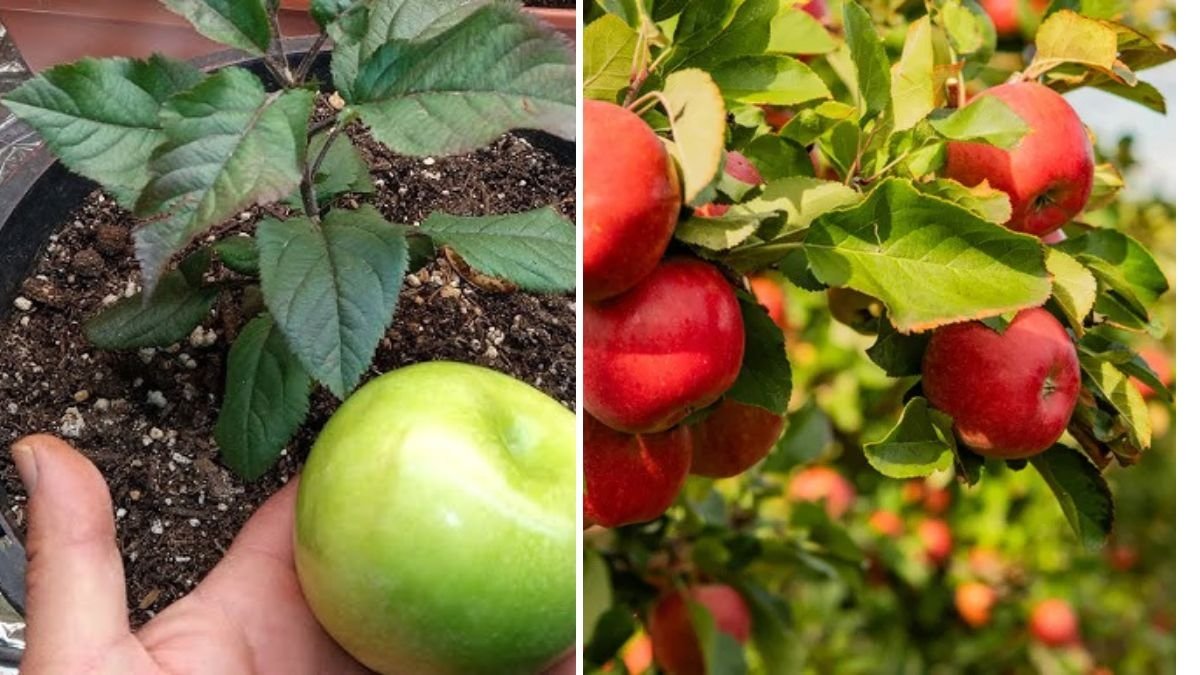
There’s something incredibly rewarding about planting a tiny seed and watching it grow into a beautiful fruit-bearing tree. For many gardeners, the idea of growing a Granny Smith apple tree from seed sounds like a fun and educational challenge — and it truly is!
Inspired by the video “Planting My Granny Smith Apple Seeds! Growing Fruit Trees From Seed!”, this guide will take you step-by-step through the process of growing Granny Smith apple trees right from the seeds you find inside the fruit. You’ll learn how to prepare, germinate, plant, and nurture your seedlings until they grow strong enough to thrive outdoors.
Whether you’re a beginner gardener or a seasoned grower, this comprehensive guide will help you understand every stage of the journey — from seed to sapling to tree — and share the secrets to success when growing apples from seed at home.
Why Grow Granny Smith Apples from Seed?

The Granny Smith apple is one of the most beloved apple varieties worldwide — famous for its crisp texture, tart flavor, and versatility. These bright green apples are perfect for eating fresh, baking, or making cider.
While most commercial apple orchards grow trees from grafted rootstock for consistency, growing from seed is a rewarding way to connect with nature, experiment, and potentially create your own unique apple variety. Here’s why you might want to give it a try:

- Educational Experience: Great for kids and beginner gardeners to learn about germination and tree growth.
- Sustainable Practice: Growing from seed reduces waste and promotes eco-friendly gardening.
- Unique Trees: Each seed produces a genetically unique apple tree — you might grow something entirely new!
- Beautiful Ornamentals: Even if the fruit isn’t identical to Granny Smith, the trees themselves make lovely additions to any garden.
Step 1: Collecting and Preparing Granny Smith Apple Seeds

Start with a fresh, ripe Granny Smith apple. Carefully cut the apple open and remove several seeds — ideally 8 to 10, as not every seed will sprout.
Seed Preparation Steps:
- Clean the Seeds:
Rinse the seeds under cool water to remove any sugar or pulp. Residual fruit material can lead to mold during germination. - Dry the Seeds:
Place the cleaned seeds on a paper towel and let them air-dry for a day. - Simulate Winter (Cold Stratification):
Apple seeds need a cold dormancy period to trigger germination — just like they would experience naturally outdoors during winter.- Wrap the dried seeds in a damp paper towel (not soaking wet).
- Place the towel inside a plastic ziplock bag.
- Store the bag in your refrigerator (not freezer) for 6 to 8 weeks.
Check the seeds weekly to ensure they stay slightly moist. After about 6 weeks, you’ll notice small white roots beginning to emerge — a sign that your seeds are ready to plant!
Step 2: Planting the Germinated Seeds

Once your Granny Smith apple seeds sprout, it’s time to plant them in soil.
You’ll Need:
- Small pots or seedling trays
- High-quality potting mix (light and well-draining)
- Water spray bottle
- Sunny windowsill or grow lights
Planting Instructions:
- Fill the Pots:
Add moist potting mix to each pot, leaving about an inch of space from the top. - Plant the Seeds:
Make a small hole (about ½ inch deep) in the center of the soil. Gently place one germinated seed in each hole, root pointing downward, and cover lightly with soil. - Water Gently:
Mist the soil lightly with water — keep it moist but not soggy. - Provide Light:
Place the pots in a warm, sunny spot that receives at least 6 hours of sunlight daily, or use a grow light if natural light is limited.
Within a few weeks, you’ll see tiny green seedlings pushing through the soil — a beautiful reward for your patience!
Step 3: Caring for Young Apple Seedlings

Your Granny Smith apple seedlings are delicate at first, but with consistent care, they’ll grow into sturdy young trees.

Light and Temperature:
Keep seedlings in a warm area (18–24°C / 65–75°F) with plenty of sunlight. Rotate the pots every few days so that the plants grow straight and don’t lean toward the light.
Watering:
Water when the top inch of soil feels dry. Avoid overwatering — soggy soil can cause root rot.
Fertilizing:
After your seedlings are about 4–6 weeks old, you can feed them with a diluted organic liquid fertilizer every 2–3 weeks to encourage strong growth.
Thinning and Transplanting:
If multiple seeds sprouted in the same pot, gently separate and transplant them into individual containers once they have at least two sets of true leaves.
Step 4: Transplanting Your Apple Trees Outdoors
After 6–8 months, your seedlings will be strong enough to move outdoors — but only after they’ve been properly hardened off.

Hardening Off Process:
- About 2 weeks before transplanting, gradually expose your plants to outdoor conditions.
- Start by placing them outside for a few hours daily in partial shade, then slowly increase the time and sunlight exposure.
Transplanting Steps:
- Choose the Right Spot:
Pick a sunny location with at least 6–8 hours of direct sunlight per day. - Prepare the Soil:
Granny Smith apples thrive in well-drained, slightly acidic soil (pH 6.0–6.8). Mix in compost or aged manure to boost nutrients. - Dig a Hole:
The hole should be twice the width and equal depth of the root ball. - Plant Carefully:
Place the tree in the hole, backfill with soil, and water deeply. - Mulch Around the Base:
Apply a 2–3 inch layer of mulch to retain moisture and suppress weeds — but keep it away from the trunk.
Step 5: Long-Term Care and Growth

Apple trees grown from seed require patience — they can take 6 to 10 years to produce fruit. But during that time, your tree will grow beautifully and become a valuable part of your landscape.
Watering:
Young trees need consistent moisture, especially during dry spells. Water deeply once a week rather than frequent shallow watering.
Pruning:
Prune your young apple tree annually during late winter or early spring to shape it and remove dead or crossing branches. This helps improve airflow and future fruit production.
Fertilizing:
In early spring, apply a balanced slow-release fertilizer to support new growth. Avoid excessive nitrogen, which can lead to lush leaves but fewer blossoms.
Pest and Disease Control:
Keep an eye out for common apple pests like aphids, codling moths, and apple scab. Use organic pest control methods such as neem oil, insecticidal soap, or companion planting (with herbs like mint and garlic) to keep them away.

Understanding the Challenge: Will It Bear Fruit?
It’s important to know that apple trees grown from seed are not true to type — meaning your new tree may not produce apples exactly like the Granny Smith variety you started with. Each apple seed contains unique genetic material from cross-pollination, which can result in a completely new type of apple!
However, even if your tree doesn’t produce identical fruit, it will still be healthy, beautiful, and potentially produce delicious apples with their own unique characteristics. For guaranteed results, some gardeners graft their seedling onto a Granny Smith rootstock once it matures — this ensures you’ll get the classic Granny Smith flavor and quality.
Tips for Success When Growing Apples from Seed
- Always start with fresh seeds from a ripe, organic apple.
- Don’t skip cold stratification — it’s crucial for germination.
- Use deep containers to give roots space to develop.
- Be patient — growing fruit trees from seed takes time, but it’s worth it.
- Keep records of your planting dates, soil mix, and seed performance — it helps track your success.
Conclusion: From Seed to Tree — A Rewarding Journey
Planting Granny Smith apple seeds and growing your own fruit trees from scratch is more than just gardening — it’s an experience in patience, hope, and connection with nature. Watching your seedlings sprout, grow, and mature into thriving trees is one of the most fulfilling journeys a gardener can take.
Even if your homegrown apple tree doesn’t produce perfect Granny Smith apples, you’ll have created something uniquely yours — a living symbol of growth and care. So the next time you bite into a crisp, tart Granny Smith, save those seeds and give them a chance to grow. Your backyard orchard adventure could begin with just one apple!

Leave A Comment