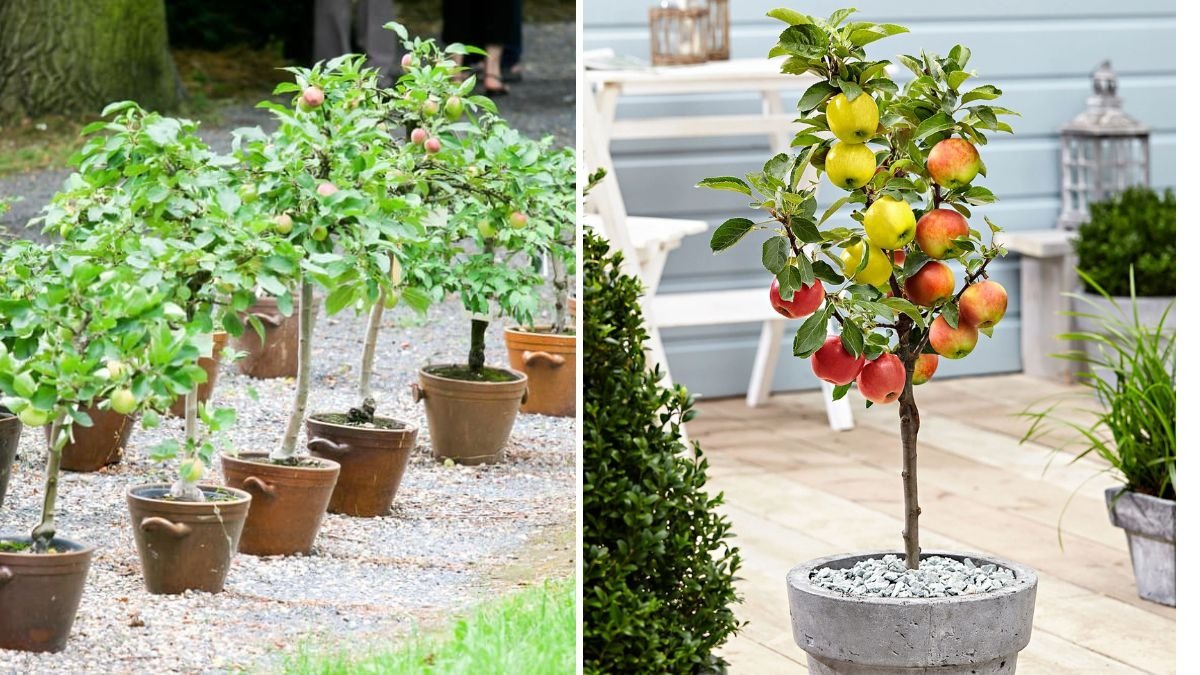
Imagine walking out into your backyard and picking a crisp, juicy Gala apple straight from your own tree. That’s the beauty of a backyard micro orchard — a small, productive fruit garden that brings nature’s sweetness right to your doorstep. You don’t need acres of land or commercial equipment; just a few apple saplings, the right soil, and a bit of care can get you started.
In this guide, inspired by the video “Starting a Backyard Micro Orchard: Gala Apples Getting Planted,” we’ll walk you through everything you need to know about planting and caring for Gala apple trees in your own backyard. From choosing the perfect spot and preparing the soil to planting, watering, and maintaining your trees — this comprehensive guide will help you grow delicious Gala apples even in a small space.
Why Choose Gala Apples for Your Backyard Orchard?

Before diving into the planting process, let’s talk about why Gala apples are such a great choice for backyard growers.
- Delightfully Sweet Flavor: Gala apples are known for their crisp texture and honey-sweet taste, making them ideal for fresh eating, juicing, and baking.
- Early Bearing Trees: Gala apple trees often begin producing fruit earlier than many other varieties, giving you quicker rewards for your effort.
- Compact and Manageable: Dwarf and semi-dwarf Gala apple trees are perfect for small gardens or backyard micro orchards.
- Attractive Appearance: Their bright red and yellow streaked skin adds beauty to your orchard space while attracting pollinators in bloom season.
- Good Storage Life: With proper storage, Gala apples can last for weeks, extending your enjoyment long after harvest.
Planning Your Micro Orchard

A micro orchard doesn’t need to be large — even a small backyard can accommodate several fruit trees. The key is strategic planning.

- Space and Layout:
For dwarf Gala apple trees, space them about 8 to 10 feet apart. Semi-dwarf trees need around 12 to 15 feet. This ensures each tree gets enough sunlight, airflow, and root space to thrive. - Pollination Partners:
Gala apples are not self-pollinating, which means you’ll need at least one other apple variety nearby for cross-pollination. Good partners include Fuji, Granny Smith, Honeycrisp, or Golden Delicious. Plant them within 50 feet of each other to ensure bees and pollinators can easily transfer pollen. - Choosing the Right Spot:
Select a sunny location that receives at least 6–8 hours of direct sunlight per day. Avoid low-lying areas where water collects, as apple roots dislike soggy conditions.
Preparing the Soil for Planting

Healthy soil is the foundation of a thriving orchard. Gala apple trees prefer well-drained, loamy soil that’s slightly acidic with a pH between 6.0 and 6.8.
Here’s how to prepare your planting site:
- Test the Soil: Use a simple pH test kit from a garden store to determine your soil’s acidity. Adjust with lime (to raise pH) or sulfur (to lower it) as needed.
- Add Organic Matter: Enrich the soil with compost, well-rotted manure, or leaf mold to boost fertility and improve drainage.
- Loosen the Soil: Dig a hole about twice the width of the root ball and slightly deeper. Loosen the soil at the base and sides to help roots spread easily.
Planting Your Gala Apple Trees

Now comes the most exciting part — getting those trees into the ground!
- Inspect the Tree:
Before planting, check the roots. Trim away any broken or damaged roots and soak bare-root trees in water for an hour to rehydrate them. - Positioning the Tree:
Place the tree in the hole so that the graft union (the swollen part where the tree was grafted onto rootstock) sits about 2 inches above the soil line. - Backfill and Firm the Soil:
Fill the hole gently with the excavated soil, mixing in compost if desired. Press down lightly to remove air pockets but don’t compact too tightly. - Water Thoroughly:
Water the tree deeply after planting to help settle the soil and encourage root establishment. - Mulch the Base:
Apply a 2–3 inch layer of mulch (like wood chips or straw) around the base to retain moisture and suppress weeds. Keep mulch a few inches away from the trunk to prevent rot.
Caring for Your Gala Apple Trees

Once your trees are planted, proper care will ensure strong growth and a healthy harvest.

1. Watering
Young Gala apple trees need consistent moisture, especially during the first year. Water once or twice a week, ensuring the soil remains moist but not waterlogged. During hot or dry periods, increase watering frequency.
2. Fertilizing
Feed your tree with a balanced slow-release fertilizer (10-10-10) in early spring. Avoid over-fertilizing, which can cause excessive leaf growth at the expense of fruit.
3. Pruning
Pruning keeps your tree healthy and productive. In late winter or early spring, prune to:
- Remove dead or crossing branches.
- Maintain an open center to allow sunlight and air circulation.
- Shape the tree for strength and easy harvesting.
4. Pest and Disease Management
Common pests include aphids, codling moths, and apple maggots. Use organic controls like neem oil or insecticidal soap. For diseases like apple scab or powdery mildew, ensure good airflow and remove any infected leaves promptly.

5. Pollination Support
Encourage bees and other pollinators by planting bee-friendly flowers like lavender, clover, or borage nearby. Avoid spraying pesticides during flowering.
Seasonal Care Tips
- Spring: Apply fertilizer and check for pests. Thin out excess fruitlets to prevent overbearing.
- Summer: Keep watering consistent and protect fruit from birds using netting.
- Fall: Harvest your Gala apples when they turn bright red with a sweet aroma.
- Winter: Mulch heavily around the base to protect roots from freezing temperatures.
Harvesting Gala Apples
Gala apples typically ripen in late summer to early fall, depending on your region. You’ll know they’re ready to pick when:
- The apples have developed a full red-orange color.
- They easily detach when twisted gently from the branch.
- The flavor is sweet and crisp.
Handle them carefully to avoid bruising. Store your harvest in a cool, dark place — ideally between 30–35°F with high humidity. Under proper conditions, Gala apples can stay fresh for up to six weeks.
Expanding Your Micro Orchard
Once your Gala apple trees are established, you can gradually expand your micro orchard by adding complementary fruits. Consider planting:

- Pear trees (like Bartlett or Anjou)
- Plum or cherry trees for variety
- Berry bushes (blueberries, raspberries, or blackberries) along the edges
A diverse orchard not only enhances pollination but also provides year-round harvests and attracts more beneficial insects.
Sustainable Practices for a Thriving Orchard
To keep your backyard orchard eco-friendly and sustainable:
- Compost regularly to recycle nutrients back into the soil.
- Use rainwater collection barrels for irrigation.
- Plant cover crops like clover or vetch between trees to improve soil fertility naturally.
- Avoid chemical sprays whenever possible; opt for organic pest control and fertilizers.
By working in harmony with nature, your orchard will become a thriving ecosystem teeming with life.
Conclusion: From Backyard to Bountiful Harvest
Starting a backyard micro orchard with Gala apple trees is more than just a gardening project — it’s a rewarding journey toward self-sufficiency, sustainability, and fresh, homegrown flavor. With a bit of planning, patience, and care, you’ll soon enjoy the sight of blossoms turning into bright, juicy apples right outside your door.
Whether you’re planting one tree or a dozen, every step you take brings you closer to creating a living, fruitful legacy in your backyard. So grab your shovel, prepare your soil, and plant those Gala apples — your micro orchard adventure starts today!

Leave A Comment