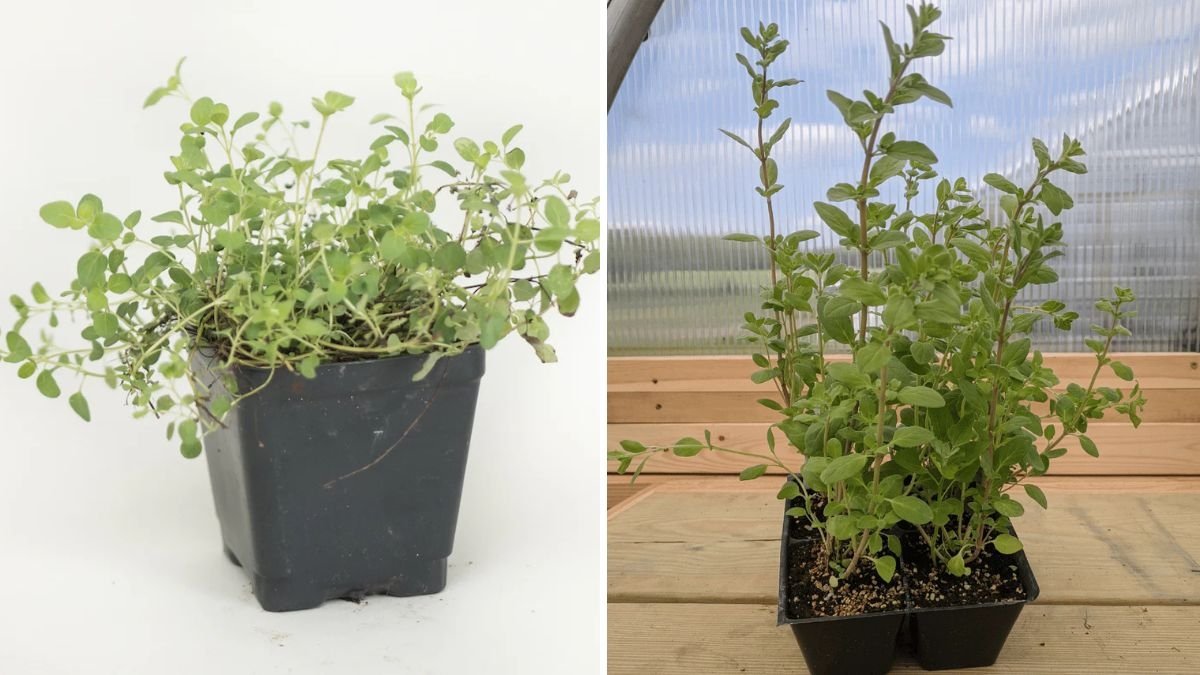
Sweet Marjoram, also known as Maruvam in many parts of India, is one of the most delightful herbs to grow in your home garden. Belonging to the mint family (Lamiaceae), this aromatic herb is closely related to oregano but offers a milder, sweeter fragrance and flavor. It’s a favorite among gardeners for both culinary and medicinal uses. Whether you’re planting it for seasoning soups, sauces, and salads or enjoying its calming herbal tea, Sweet Marjoram is a must-have herb in every home garden.
In this blog post, we’ll walk you through everything you need to know about growing and transplanting Sweet Marjoram, from selecting the right soil mix to caring for your plants after transplanting. These practical tips will help even beginners enjoy a lush, healthy marjoram patch that thrives all season long.
1. Understanding Sweet Marjoram (Maruvam)
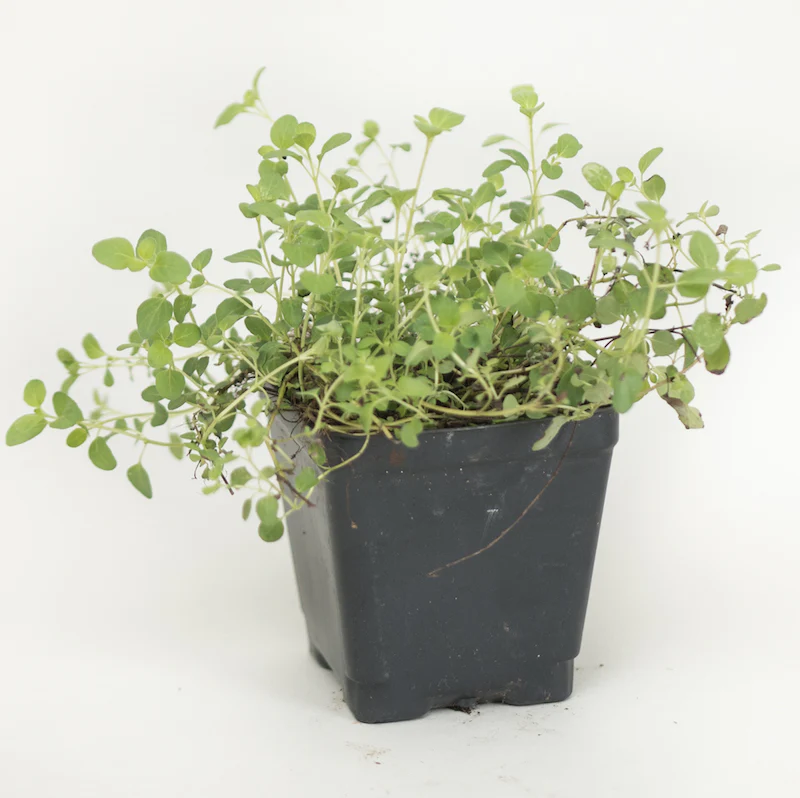
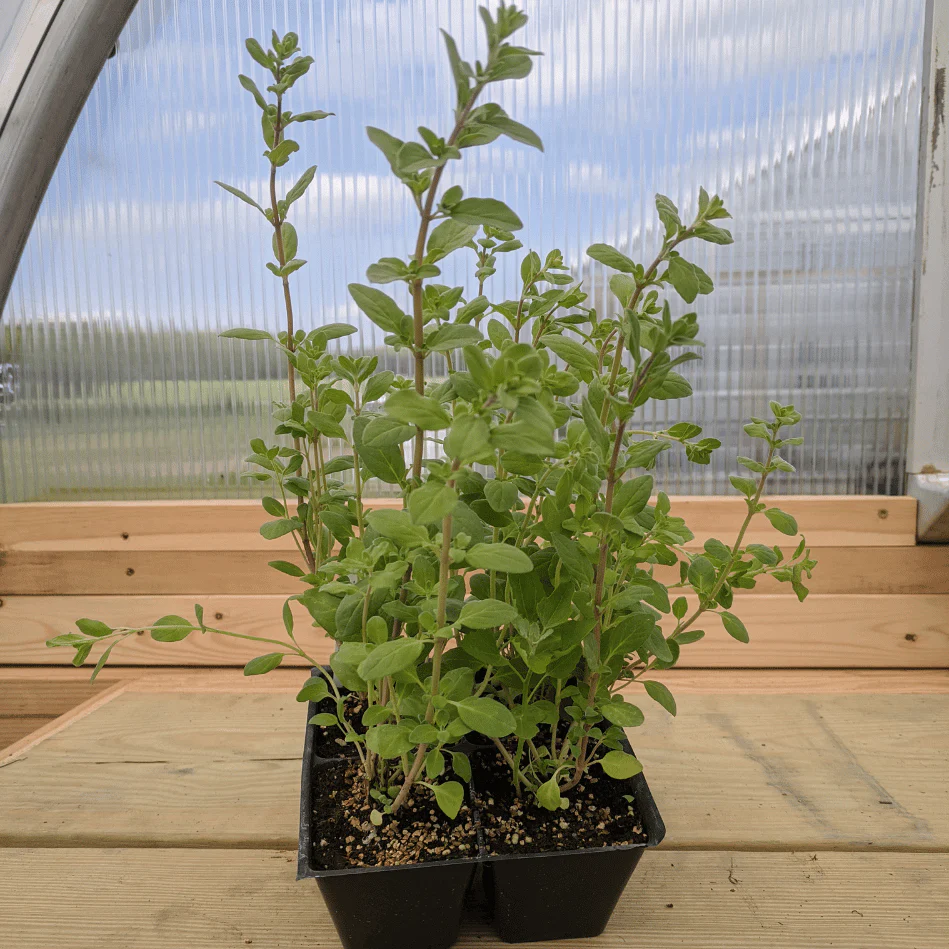
Sweet Marjoram (Origanum majorana) is a tender perennial herb native to the Mediterranean region. In warm climates, it can live year-round, but in cooler regions, it’s often grown as an annual. The plant has small, oval, gray-green leaves with a soft texture and an irresistible fragrance.
When grown under ideal conditions, Sweet Marjoram reaches about 30–60 cm (12–24 inches) in height. It produces small white or pinkish flowers that attract bees and other pollinators, making it an excellent companion for vegetable and flower gardens alike.
Its sweet, slightly piney aroma and warm taste make it perfect for seasoning meats, soups, and stews. Beyond the kitchen, marjoram also offers numerous health benefits—it’s known for aiding digestion, improving sleep, and reducing stress.
2. Choosing the Right Growing Conditions
To grow Sweet Marjoram successfully, it’s essential to mimic its natural Mediterranean habitat: warm temperatures, full sunlight, and well-drained soil. Here’s how to set it up:

- Sunlight:
Marjoram thrives best in full sun. Make sure your plants get at least 6 to 8 hours of sunlight daily. If you’re growing indoors or on a balcony, place the container near a bright window or use grow lights. - Temperature:
Ideal temperature for growth is between 20°C to 30°C (68°F to 86°F). Avoid exposing the plant to frost, as cold weather can easily damage or kill it. - Soil:
Marjoram prefers loamy, well-draining soil. A perfect mix includes garden soil, compost, and sand in equal parts. This combination ensures good drainage while providing the nutrients the plant needs. - pH Level:
The ideal soil pH ranges from 6.0 to 7.5, slightly acidic to neutral.
3. Growing Sweet Marjoram from Seeds
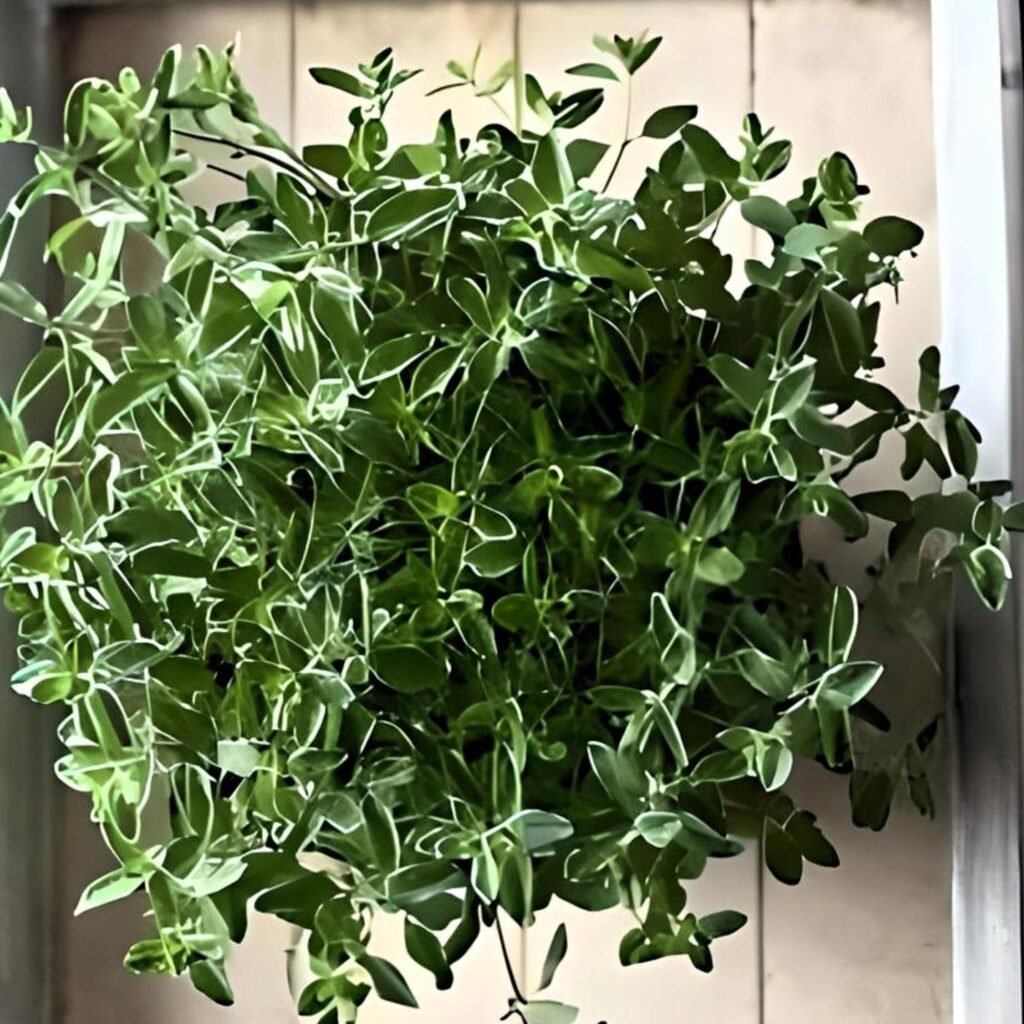
You can easily start Marjoram from seeds, cuttings, or nursery seedlings. Starting from seeds gives you the satisfaction of watching your plants grow from scratch.
Steps to grow from seeds:
- Prepare the Soil Mix:
Mix equal parts of garden soil, compost, and river sand in a seed tray or small pots. - Sow the Seeds:
Sprinkle marjoram seeds lightly over the surface and cover them with a thin layer of soil (about 1/4 inch deep). - Water Gently:
Use a spray bottle to moisten the soil without displacing the seeds. - Cover and Germinate:
Cover the tray with plastic wrap or a clear lid to retain moisture. Keep it in a warm, bright location. - Germination Time:
Seeds usually germinate in 7 to 14 days. Once the seedlings are about 2–3 inches tall and have several sets of true leaves, they’re ready for transplanting.
4. Transplanting Sweet Marjoram (Maruvam)
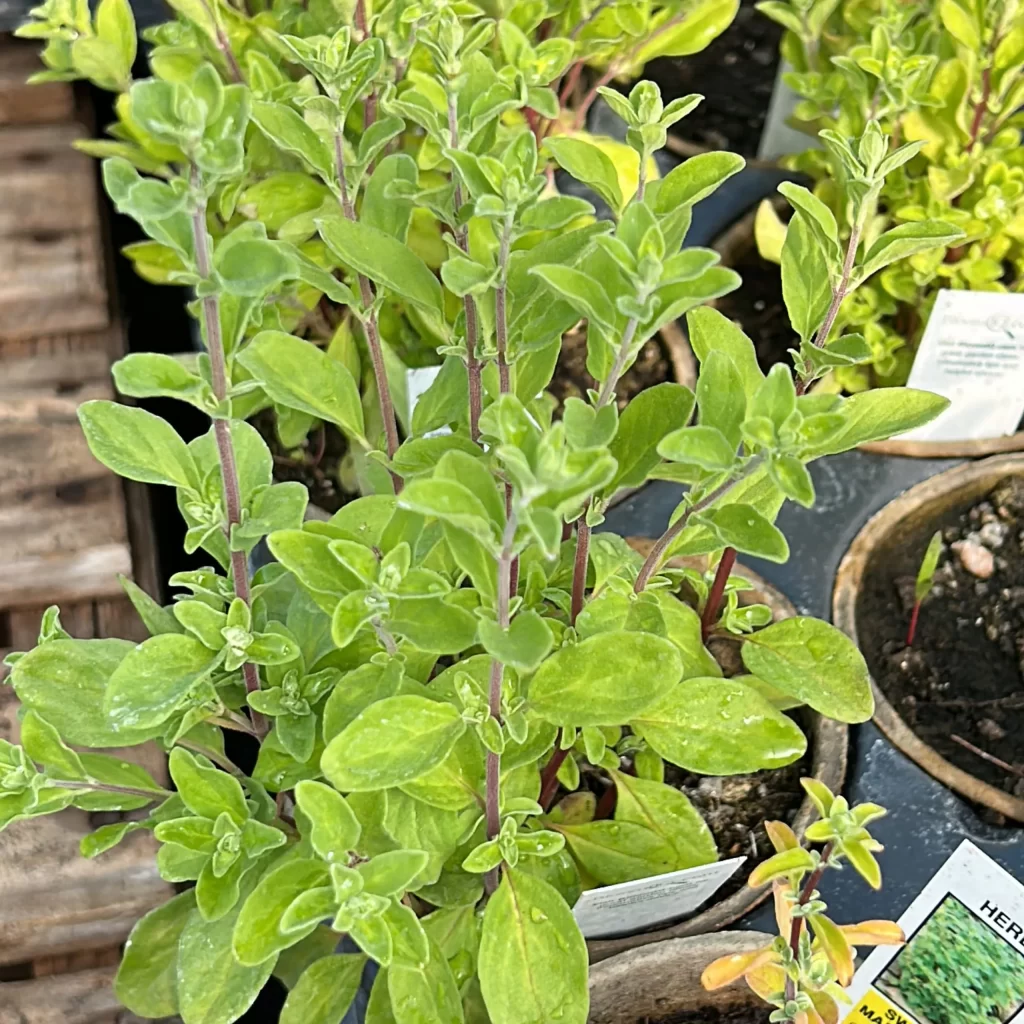
Transplanting is an important step in ensuring your marjoram plants develop strong roots and healthy growth.
When to Transplant:
Once the seedlings have grown to about 4–5 inches tall and have developed at least two sets of true leaves, you can move them to larger pots or your garden bed.
Steps for Successful Transplanting:
- Prepare the New Location:
Choose a sunny spot in your garden or a pot with a diameter of at least 8–10 inches. Make sure the container has good drainage holes. - Soil Preparation:
Fill the pot or bed with a well-draining mix of garden soil, compost, and coco peat. Adding a handful of bone meal or organic fertilizer will give your plants a nutrient boost. - Water Before Transplanting:
Water the seedlings gently before transplanting. This helps reduce root stress. - Remove Seedlings Carefully:
Use a small trowel or spoon to lift each seedling along with its root ball. Avoid disturbing the roots. - Planting:
Dig a small hole in the new container or bed, place the seedling, and firm the soil around the base. - Watering After Transplant:
Water the transplanted seedlings thoroughly and keep them in partial shade for 2–3 days to help them adjust.
5. Caring for Sweet Marjoram

Proper care ensures that your marjoram remains healthy and aromatic throughout the growing season.

Watering:
Marjoram doesn’t like waterlogged soil. Water moderately—enough to keep the soil slightly moist but not soggy. Overwatering can cause root rot.
Fertilization:
Feed your plants with liquid organic fertilizer or compost tea once every 3–4 weeks. Avoid excessive nitrogen, as it may reduce the plant’s aroma.
Pruning:
Regularly trim your marjoram plants to encourage bushy growth. Pruning also prevents the plant from becoming too woody and promotes new leaf production.
Mulching:
Add a thin layer of organic mulch (like straw or dry leaves) around the base to help retain moisture and prevent weeds.
6. Managing Pests and Diseases
While Sweet Marjoram is relatively pest-resistant, it can occasionally attract aphids, spider mites, and whiteflies. To keep these pests away:
- Spray the leaves with a mild neem oil solution once a week.
- Ensure proper spacing between plants to promote air circulation.
- Avoid overwatering, as damp soil can lead to fungal diseases like root rot or powdery mildew.
If you notice any infected leaves, prune and discard them immediately to prevent the spread.

7. Harvesting Sweet Marjoram
Sweet Marjoram can be harvested 6 to 8 weeks after transplanting. For the best flavor and aroma, harvest just before the plants begin to flower.
How to Harvest:
- Use clean, sharp scissors or pruning shears.
- Cut the stems about 2 inches above the ground.
- Harvest in the morning hours, when the essential oils are at their peak.
Frequent harvesting encourages the plant to produce new growth, keeping it lush and aromatic for months.
8. Storing and Using Marjoram
You can use fresh marjoram leaves right after harvesting, or you can dry them for long-term storage.
Drying Method:
- Tie the stems in small bundles and hang them upside down in a cool, dry, and dark place for 7–10 days.
- Once dried, crumble the leaves and store them in airtight jars.
Culinary Uses:

- Add marjoram to soups, sauces, pizzas, roasted vegetables, and herbal teas.
- It pairs beautifully with chicken, lamb, and tomato-based dishes.
Medicinal Uses:
- Marjoram tea is known to aid digestion, reduce headaches, and relieve stress.
- It also helps with respiratory issues and menstrual discomfort when consumed moderately.
9. Propagating Marjoram from Cuttings
If you already have a healthy marjoram plant, propagation from cuttings is a quick and reliable way to grow more.
Steps:
- Cut a 4–6 inch long stem from a healthy plant.
- Remove the lower leaves, keeping only the top few.
- Dip the cut end in rooting hormone (optional).
- Place it in moist soil or water until roots develop.
- Once rooted, transplant it into a pot or bed.
This method produces mature plants faster than starting from seeds.
10. Common Mistakes to Avoid
- Overwatering: Leads to root rot and fungal problems.
- Insufficient sunlight: Causes weak, leggy growth and reduced aroma.
- Neglecting pruning: Makes the plant woody and less productive.
- Using heavy soil: Poor drainage prevents healthy root development.
Keep these points in mind, and your Sweet Marjoram will thrive beautifully.
Conclusion
Growing Sweet Marjoram (Maruvam) is a rewarding experience for gardeners of all skill levels. With its captivating fragrance, flavorful leaves, and health benefits, it truly earns its place in every herb garden. By following the simple growing and transplanting tips shared above—choosing the right soil, ensuring proper sunlight, watering wisely, and pruning regularly—you can enjoy a steady supply of fresh marjoram leaves right from your home garden.

Whether you’re seasoning your favorite dishes or brewing a relaxing cup of herbal tea, Sweet Marjoram adds a touch of nature’s sweetness to your everyday life. So, start your marjoram journey today and let your garden fill with its enchanting aroma!

Leave A Comment