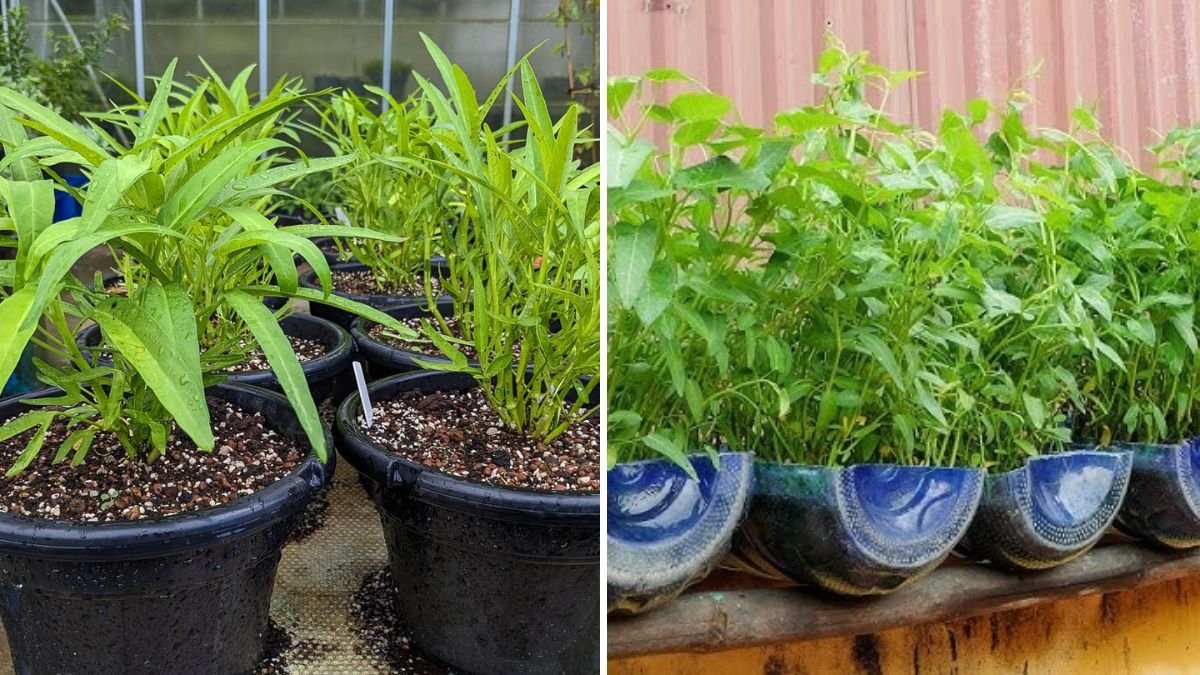
Water spinach, also known as Kang Kong, River Spinach, or Chinese Spinach, is one of the most popular leafy greens grown in tropical and subtropical regions. Loved for its crisp, hollow stems and tender leaves, this plant is a staple in many Asian cuisines, especially in stir-fries, soups, and salads. Its fast growth, high yield, and tolerance to wet conditions make it a rewarding crop for both beginners and experienced gardeners.
In this comprehensive guide, we’ll share the best growing tips for water spinach, including planting methods, ideal soil conditions, watering needs, and harvesting techniques. Whether you’re growing it in soil, water, or containers, you’ll learn how to enjoy a constant supply of fresh Kang Kong right from your home garden.
1. Understanding Water Spinach (Kang Kong)

Water spinach (Ipomoea aquatica) belongs to the morning glory family and thrives in warm, humid environments. It’s often grown in flooded fields, ponds, or containers with consistently moist soil. The plant grows rapidly—sometimes reaching maturity in as little as 4–6 weeks—and can be harvested multiple times throughout the growing season.
There are two main varieties:
- Upland Water Spinach: Grows in soil with regular watering. Ideal for containers or raised beds.
- Lowland Water Spinach: Thrives in standing water or flooded soil, commonly grown in wetlands.
Understanding which variety you have will help you create the best growing environment.
2. Choosing the Right Growing Location
Water spinach loves sunshine and moisture. Choose a location that receives at least 5–6 hours of sunlight daily and retains consistent moisture. If you live in a hot, dry region, partial shade during the hottest hours of the day helps prevent the leaves from wilting.
For home gardeners:

- A container garden on your balcony or rooftop works perfectly.
- A raised bed or small pond area can also mimic its natural wetland habitat.
- In colder regions, you can grow it indoors near a sunny window or in a greenhouse.
3. Ideal Soil and Water Conditions
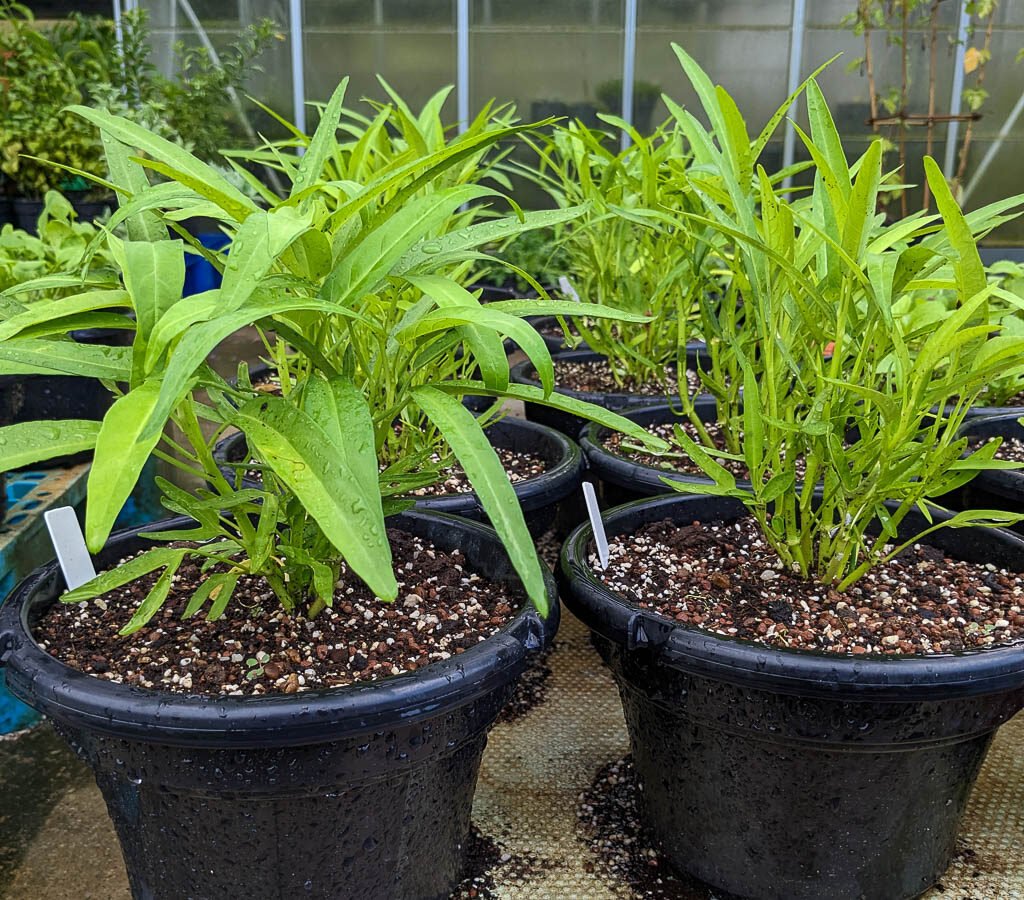
Although it’s called “water spinach,” Kang Kong doesn’t need to be submerged in water at all times unless you’re growing the lowland type. What it does require is consistently moist, nutrient-rich soil.
Soil Requirements:
- Use loamy or sandy soil rich in organic matter.
- Maintain a pH between 6.0 and 7.0.
- Mix in compost or well-rotted manure before planting to boost nutrients.
- Ensure good drainage, even if the soil remains wet—stagnant water can lead to root rot.
If you’re growing in containers, use a large pot (at least 12 inches deep) and line it with a plastic saucer to help retain moisture.
4. Propagation: Growing from Seeds or Cuttings
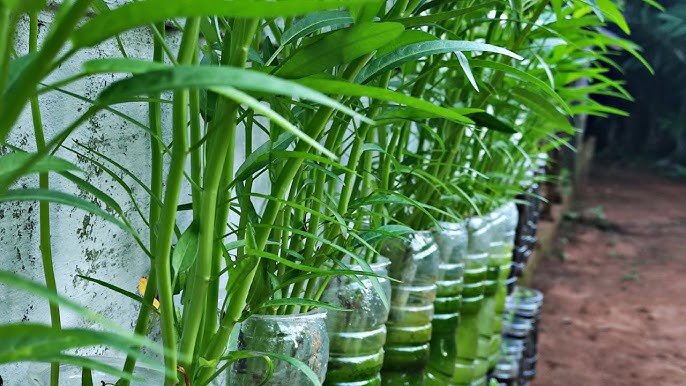
Water spinach can be grown easily from seeds or stem cuttings.
From Seeds:
- Soak the seeds in warm water for 8–10 hours to speed up germination.
- Fill seed trays or pots with rich, moist soil.
- Sow the seeds ½ inch deep, then cover lightly with soil.
- Keep the soil consistently moist.
- Germination takes 5–7 days under warm conditions.
Once seedlings have grown to 4–5 inches tall, they can be transplanted into larger containers or garden beds.
From Cuttings:
- Take 6–8 inch long cuttings from a healthy, mature plant.
- Remove the lower leaves and place the stems in water or directly in moist soil.
- Roots will begin forming in about 5–7 days.
- Once rooted, transfer them to your prepared garden bed or container.
Cuttings are faster and more reliable for propagation, especially if you already have a mature plant.
5. Planting and Spacing
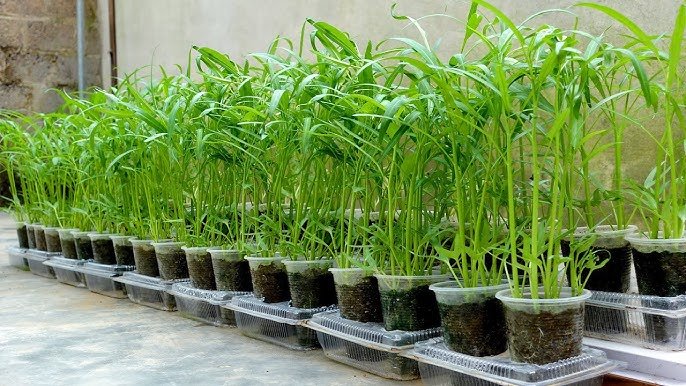
Plant the seedlings or rooted cuttings about 8–10 inches apart to allow enough space for spreading. If you’re growing in rows, keep rows about 12 inches apart.

After planting, water thoroughly and maintain consistent soil moisture. In very hot weather, a mulch layer (such as straw or coconut husk) helps retain moisture and suppress weeds.
6. Watering and Feeding
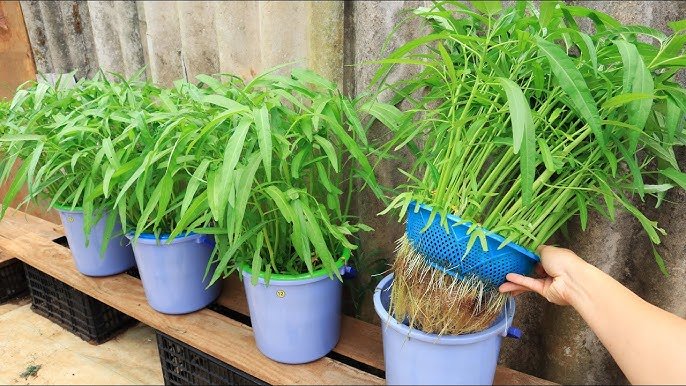
Water spinach thrives in wet soil. Keep the soil consistently moist but not waterlogged. During dry or hot periods, water at least once or twice a day, depending on the temperature.
To boost growth, feed your Kang Kong with organic liquid fertilizer or compost tea every 2–3 weeks. You can also apply a balanced NPK fertilizer (10-10-10) lightly around the base of the plants for sustained growth.
If growing in water or hydroponically, change the water weekly and add nutrients as needed to keep plants healthy and productive.
7. Managing Pests and Diseases
Water spinach is generally hardy, but it can attract a few common pests:
- Aphids: These tiny insects suck sap from leaves. Spray with neem oil or soapy water.
- Leaf miners: Look for white tunnels on leaves; prune affected parts.
- Snails and slugs: Handpick or use natural deterrents like crushed eggshells.
To prevent fungal diseases, avoid overcrowding and ensure good airflow. If grown in very humid areas, trim regularly to prevent dense growth.
8. Pruning and Maintenance
Regular pruning encourages bushy, vigorous growth. When your plants are about 12–15 inches tall, pinch off the growing tips to promote side shoots.

Every 10–14 days, you can cut back the stems to about 4–6 inches from the soil—this triggers new, tender shoots perfect for harvesting. Consistent trimming ensures you have a continuous supply of young, tasty leaves.
9. Harvesting Water Spinach
You can start harvesting water spinach about 30–40 days after planting. Use scissors or garden shears to cut the stems 5–6 inches above the soil line.
Harvest in the early morning when leaves are fresh and crisp. The plant will regrow rapidly, allowing you to harvest every 2–3 weeks throughout the growing season.
For best flavor:
- Choose young, tender shoots.
- Avoid letting plants flower, as leaves become fibrous and bitter after flowering.
10. Growing Water Spinach in Containers or Hydroponics
If you live in an apartment or have limited garden space, water spinach grows beautifully in containers or hydroponic setups.
Container Growing Tips:
- Use a wide, deep container to accommodate spreading roots.
- Keep the soil moist with a self-watering system or saucer underneath.
- Place the pot in a sunny spot, like a balcony or rooftop.
Hydroponic Growing Tips:

- Use a nutrient-rich water solution.
- Maintain water pH between 6.0–6.8.
- Use grow lights if natural sunlight is limited.
- Change water weekly to prevent algae buildup.
This method ensures clean, soil-free greens that grow quickly and require minimal maintenance.
11. Storing and Using Water Spinach
After harvesting, wash the leaves thoroughly to remove soil and insects. Wrap them in a damp paper towel and store in the refrigerator for up to 3–4 days.
Water spinach is incredibly versatile in the kitchen:
- Stir-fry with garlic and soy sauce.
- Add to soups, stews, or noodle dishes.
- Steam or sauté as a side dish.
- Mix fresh shoots into salads for a crunchy texture.
12. Seasonal and Climate Considerations
Water spinach grows best in warm, humid weather (20–35°C). It’s sensitive to cold and frost, so if temperatures drop below 15°C, growth slows significantly.
In tropical climates, it can be grown year-round, while in temperate regions, it’s best planted in spring and summer. You can extend the growing season by starting plants indoors or using a greenhouse setup.
13. Common Problems and Quick Fixes
| Problem | Possible Cause | Solution |
|---|---|---|
| Yellowing leaves | Overwatering or nutrient deficiency | Reduce watering; apply compost or balanced fertilizer |
| Slow growth | Cold temperature or poor soil | Move to warmer location; enrich soil |
| Leaf holes | Pests (caterpillars or beetles) | Use organic insect control spray |
| Wilting | Drought stress | Water more frequently and mulch |
Conclusion
Growing Water Spinach (Kang Kong) is one of the easiest and most rewarding gardening experiences you can have. With its rapid growth, minimal care needs, and continuous harvests, it’s a perfect addition to your home garden—whether you grow it in the ground, pots, or water.
By following these growing tips—choosing the right soil, keeping it consistently moist, feeding regularly, and pruning often—you’ll enjoy a lush harvest of fresh, nutritious greens all year round.

So grab a few seeds or cuttings, prepare a moist spot in your garden, and start growing your own River Spinach today!
Fresh, crisp, and flavorful—Kang Kong will soon become one of your favorite homegrown vegetables.

Leave A Comment