Imagine stepping onto your balcony, patio, or kitchen windowsill and snipping fresh herbs for your next meal — all from a single container. Sounds dreamy, right? Well, it’s absolutely possible! Whether you’re short on space or simply want the convenience of having multiple herbs in one place, growing a mixed herb garden in one container is one of the smartest, most rewarding ways to enjoy fresh flavor year-round.
In this post, we’ll walk through everything you need to know to successfully plant and grow a mini herb garden in one pot — featuring rosemary, sage, basil, oregano, thyme, dill, and parsley. You’ll learn the secrets of soil balance, container choice, watering routines, sunlight requirements, and companion planting tips that keep all these fragrant herbs happy together.
Why Grow Multiple Herbs in One Container?
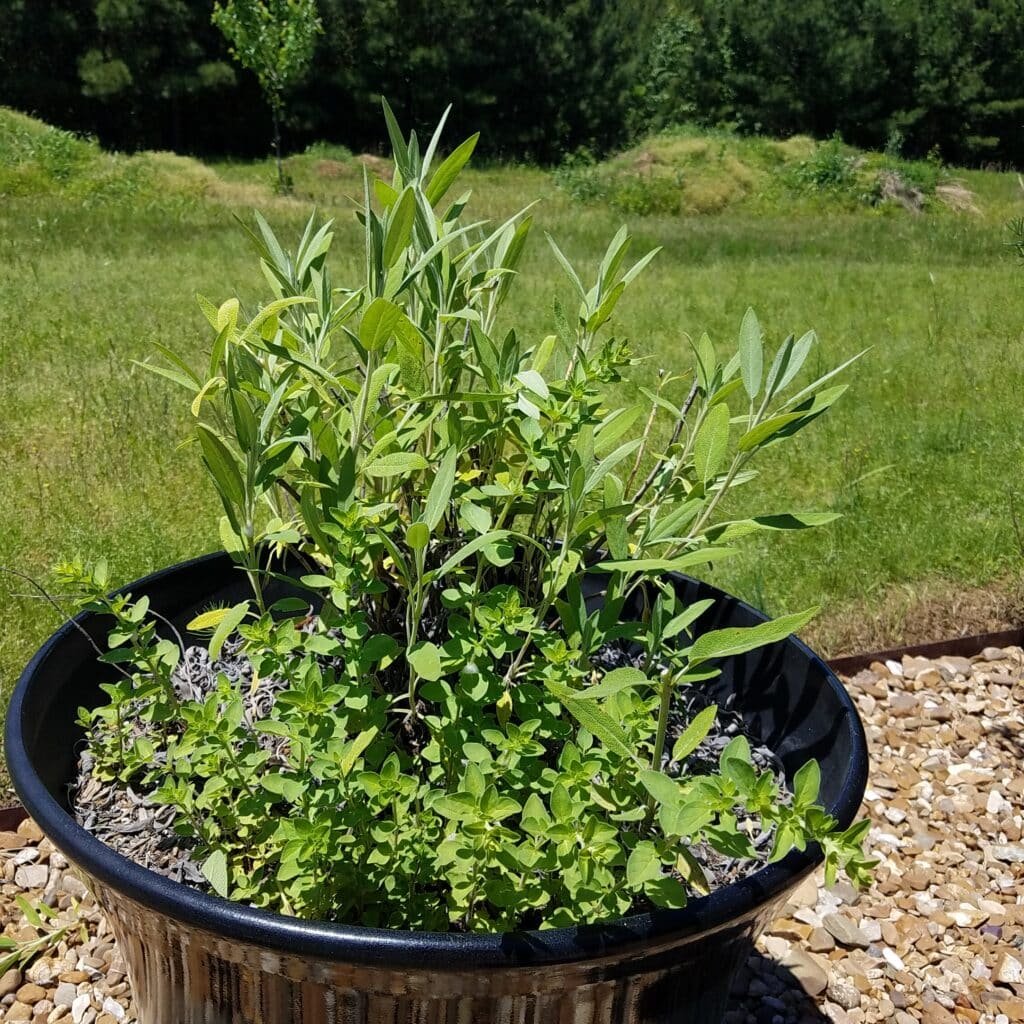
Growing several herbs in one container isn’t just about saving space — it’s about creating a self-sustaining micro-ecosystem. When grouped correctly, herbs can support each other by balancing moisture needs, improving soil texture, and deterring pests naturally.
Here are a few benefits:
- Convenience: You’ll have all your favorite herbs right at your fingertips for cooking or tea.
- Efficient Water Use: A single container means you can easily control watering and drainage.
- Space-Saving: Perfect for balconies, windowsills, or small backyards.
- Aesthetic Appeal: A mix of textures, scents, and leaf shapes creates a beautiful, fragrant container display.
However, success depends on one thing — plant compatibility. Let’s explore how to get it right.
Choosing the Right Container
Before planting, you need to choose a container large enough to accommodate multiple root systems.

Size:
Opt for a pot that’s at least 20–24 inches wide and 12–15 inches deep. Herbs like rosemary and sage can grow woody and wide, while parsley and dill have deeper root systems that need space to spread.
Material:
- Clay or terracotta pots provide excellent drainage and prevent overwatering.
- Plastic or resin containers retain moisture better, making them ideal for hot climates.
- Ensure your container has several drainage holes — herbs hate sitting in soggy soil.
Tip: Elevate the pot slightly using pot feet or small stones underneath. This helps excess water escape and keeps roots healthy.
Creating the Perfect Soil Mix
Herbs thrive in well-draining, nutrient-balanced soil. A simple and effective mix includes:
- 2 parts potting soil
- 1 part perlite or coarse sand for drainage
- 1 part compost or organic matter for nutrients
Avoid heavy garden soil, as it can compact easily and suffocate roots. Herbs like rosemary, thyme, and oregano prefer slightly alkaline soil, while basil and parsley do well in neutral to slightly acidic conditions.
If possible, add a slow-release organic fertilizer or a handful of worm castings to boost nutrient availability without overfeeding.

Selecting Compatible Herbs
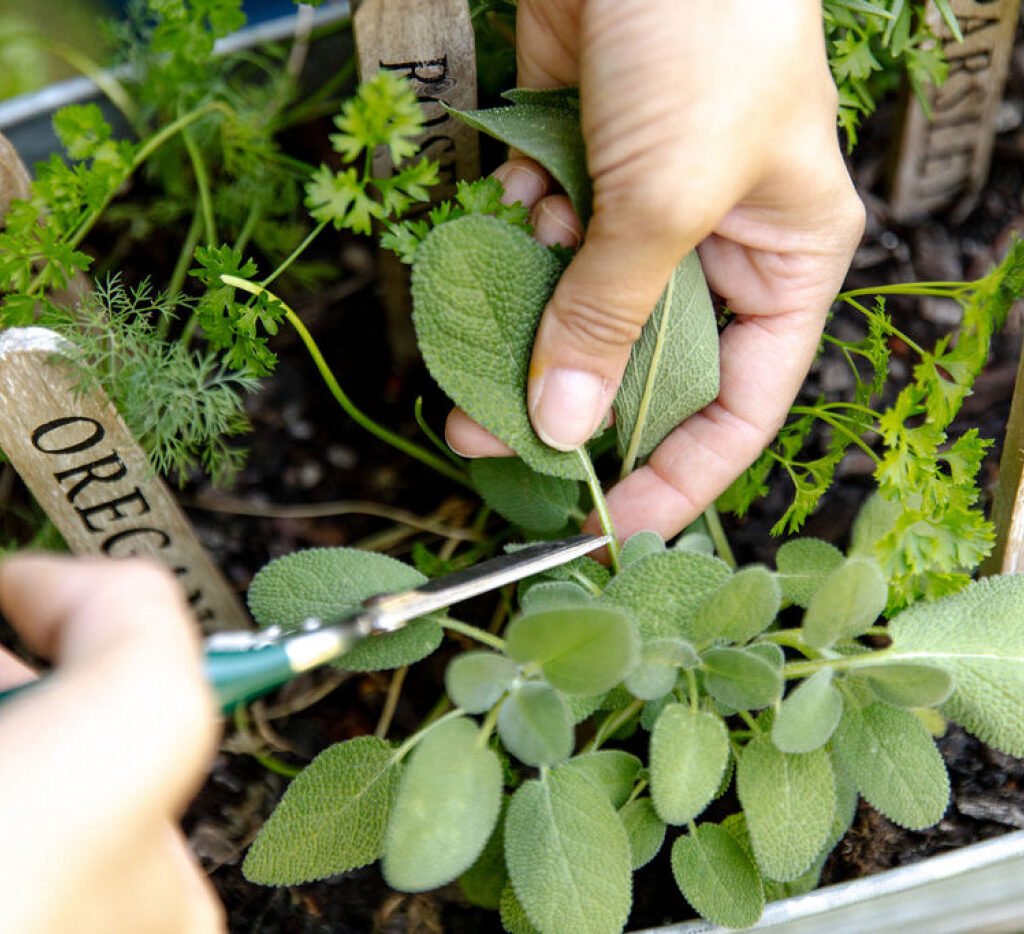
When growing multiple herbs together, it’s important to group those with similar water and sunlight needs. Luckily, most Mediterranean herbs — such as rosemary, sage, oregano, and thyme — love sunny, dry conditions. Basil, dill, and parsley prefer slightly more moisture but can still thrive with proper spacing.
Here’s a quick compatibility guide:
| Herb | Sunlight | Water | Notes |
|---|---|---|---|
| Rosemary | Full sun | Low | Woody, aromatic base plant |
| Sage | Full sun | Low | Pairs well with rosemary and thyme |
| Basil | Full sun | Moderate | Needs more water; keep near edge |
| Oregano | Full sun | Low | Fast-growing, aromatic |
| Thyme | Full sun | Low | Great for ground cover |
| Dill | Full sun | Moderate | Tall, feathery; good background plant |
| Parsley | Full sun/partial shade | Moderate | Lush, upright foliage |
How to Arrange and Plant Herbs in One Container
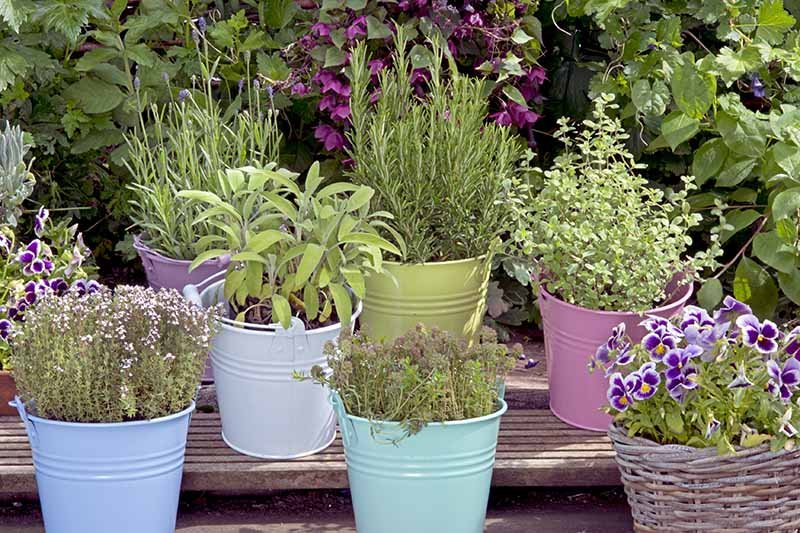
The arrangement of herbs in your container garden makes all the difference. Since some herbs grow bushy while others spread or climb, placement ensures each plant gets the light, air, and space it needs.
Step-by-step planting layout:
- Start with the tallest herbs – Place rosemary or dill in the center or back of the container. These serve as the main vertical elements.
- Add medium-height herbs – Plant sage, basil, and parsley around the center, giving them room to expand.
- Edge with low-growing herbs – Use thyme and oregano near the rim of the pot, where they can trail gracefully over the edges.
- Firm the soil gently around the roots, leaving about an inch of space below the rim for easy watering.
- Water thoroughly after planting to help the soil settle.
Pro tip: Mix in a handful of fine gravel at the bottom of the container before filling it with soil. It boosts drainage and prevents root rot.
Sunlight and Watering Needs
Herbs need at least 6–8 hours of direct sunlight daily. Place your container in a bright, sunny spot — such as a south-facing balcony, patio, or window.

When it comes to watering:
- Check moisture daily using your finger — the top inch of soil should be dry before you water again.
- Water deeply but infrequently. Overwatering can kill Mediterranean herbs like rosemary and thyme.
- Misting is optional but can help basil and parsley in hot weather.
If you live in a very dry climate, consider grouping moisture-loving herbs (basil, dill, parsley) closer together and watering that section slightly more often.
Fertilizing and Maintenance Tips
Herbs don’t need heavy feeding — too much fertilizer can make them grow fast but lose their strong flavor.
Use a diluted liquid organic fertilizer every 3–4 weeks during the growing season. You can also add compost tea or fish emulsion for a natural nutrient boost.
Maintenance Tips:
- Pinch basil regularly to encourage bushy growth and prevent flowering.
- Harvest rosemary and sage sparingly until they are well established.
- Trim oregano and thyme to keep them from taking over.
- Remove yellowing leaves to maintain airflow and prevent disease.
Harvesting Your Herbs
The joy of a mixed herb container garden comes when it’s time to harvest. Each herb has its own ideal harvesting stage:

- Rosemary & Sage: Snip sprigs anytime once established.
- Basil: Harvest leaves from the top to encourage more growth.
- Oregano & Thyme: Trim stems just above a leaf node for continuous regrowth.
- Dill: Cut the feathery leaves early; collect seeds when flowers dry.
- Parsley: Snip outer leaves first, allowing the inner ones to mature.
Always harvest in the morning, when essential oils are at their peak, giving you maximum fragrance and flavor.
Overwintering and Long-Term Care
If you live in a region with cold winters, bring your herb container indoors before the first frost. Place it near a sunny window or under grow lights to keep herbs thriving.
You can also:
- Trim back woody herbs like rosemary and sage before bringing them inside.
- Reduce watering in cooler months — herbs need less moisture when growth slows.
- Rotate the pot every few weeks to ensure even sunlight exposure.
By giving your herbs a little winter care, you’ll enjoy a thriving, productive garden year after year.
Creative Uses for Your Herb Garden
Once your container is thriving, the possibilities are endless!
- 🌿 Culinary Magic: Add fresh basil to pasta, rosemary to roasted potatoes, and dill to salads.
- 🌸 Aromatherapy: Use herbs for homemade potpourri or essential oils.
- 🍃 Herbal Teas: Brew thyme, sage, or parsley tea for health benefits.
- 🕯️ Decor: A mixed herb pot makes a stunning centerpiece with both beauty and fragrance.
Conclusion
Growing rosemary, sage, basil, oregano, thyme, dill, and parsley in one container is a fun, rewarding, and sustainable way to keep fresh herbs within reach. With the right soil, container, and care, you’ll create a thriving, aromatic mini-garden that looks beautiful and smells heavenly.

Whether you live in an apartment or have limited garden space, this simple setup brings nature, flavor, and freshness right to your doorstep. Start planting today — and soon, every meal you cook will be seasoned with homegrown perfection.

Leave A Comment