Sorrel is one of those underrated leafy greens that deserves a permanent spot in every home garden. With its tangy, lemony flavor and hardy growth habit, sorrel not only adds zest to your meals but also brings a lush green touch to your garden nearly all year round. In this guide, inspired by Nicola Chatham’s insights on “Growing Organic Garden Sorrel,” you’ll learn everything you need to know about growing, harvesting, and enjoying this delightful perennial green organically.
What Is Garden Sorrel?
Garden sorrel (Rumex acetosa) is a leafy perennial herb native to Europe and parts of Asia. It’s known for its tart, citrusy leaves that make an excellent addition to salads, soups, sauces, and even smoothies. Belonging to the buckwheat family, sorrel is both nutritious and ornamental, thriving in many climates with minimal care.
There are a few common varieties of sorrel worth noting:
- Common Sorrel: Traditional variety with long, pointed leaves and a strong lemony flavor.
- French Sorrel: Smaller, rounder leaves and a milder taste — great for delicate dishes.
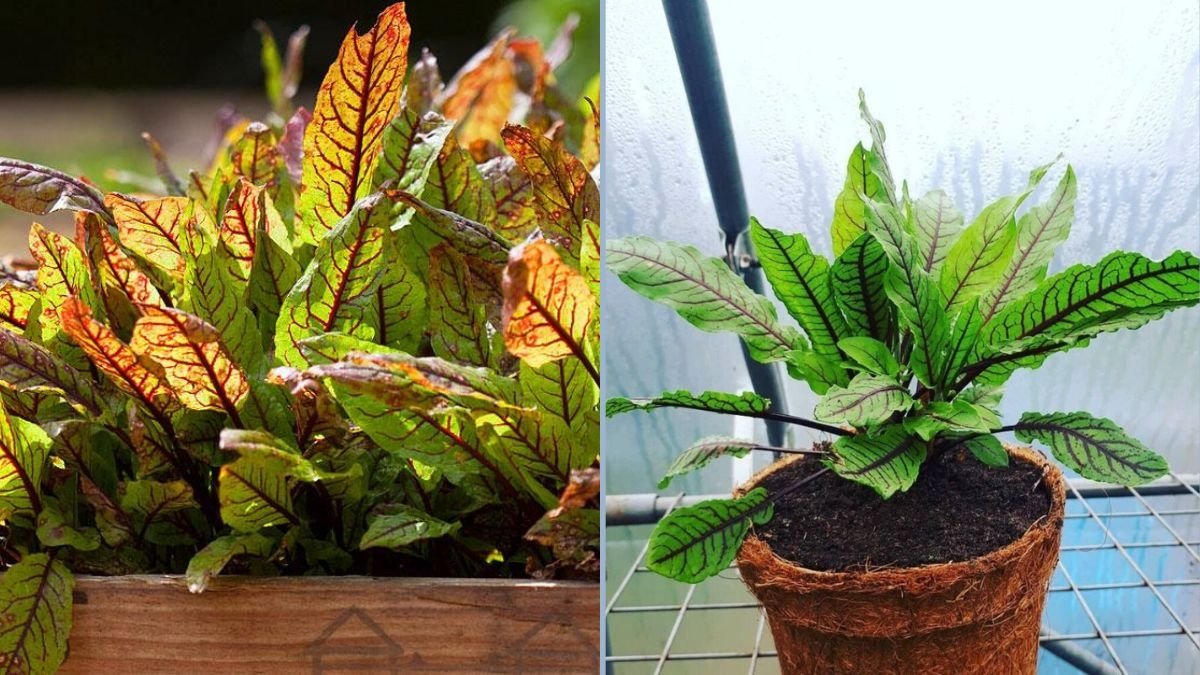
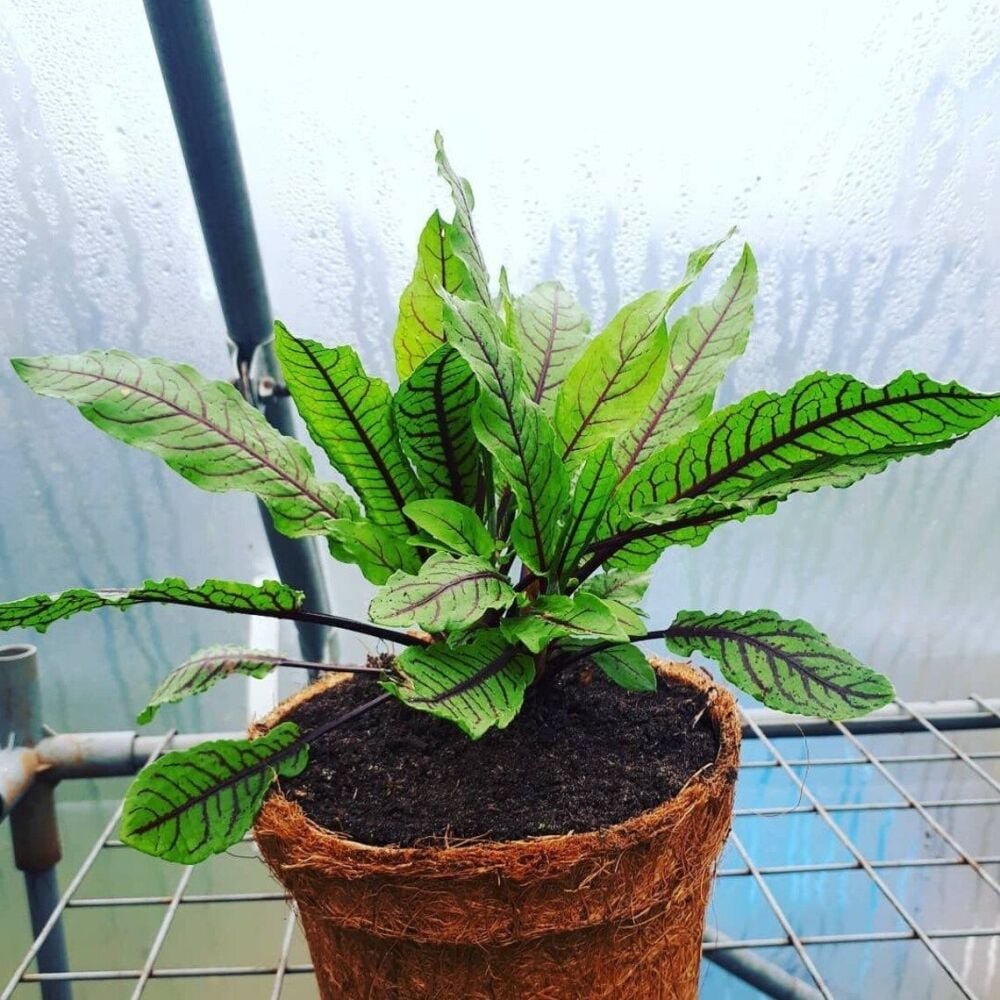
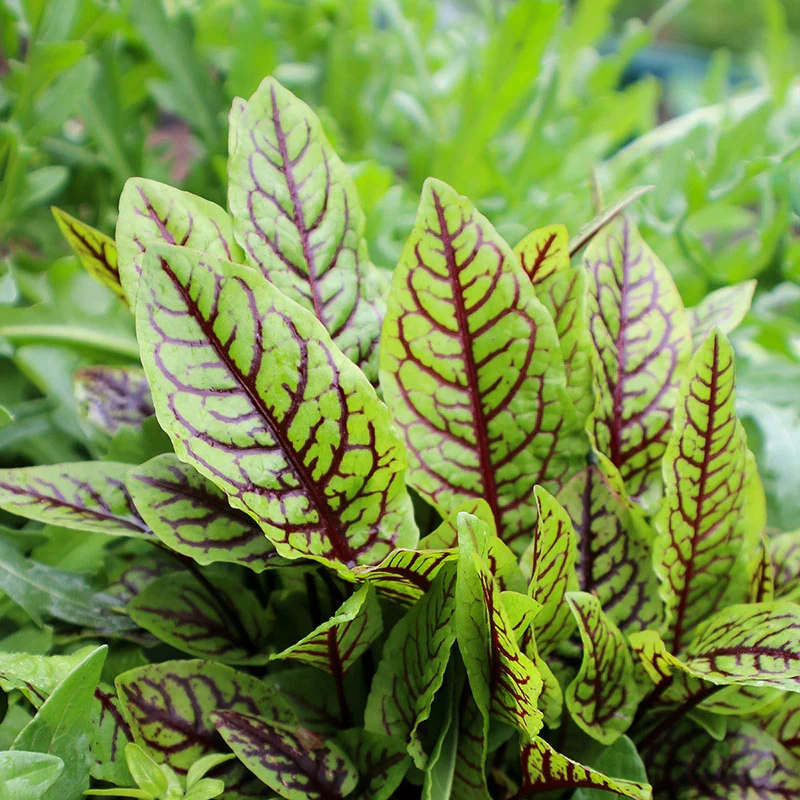
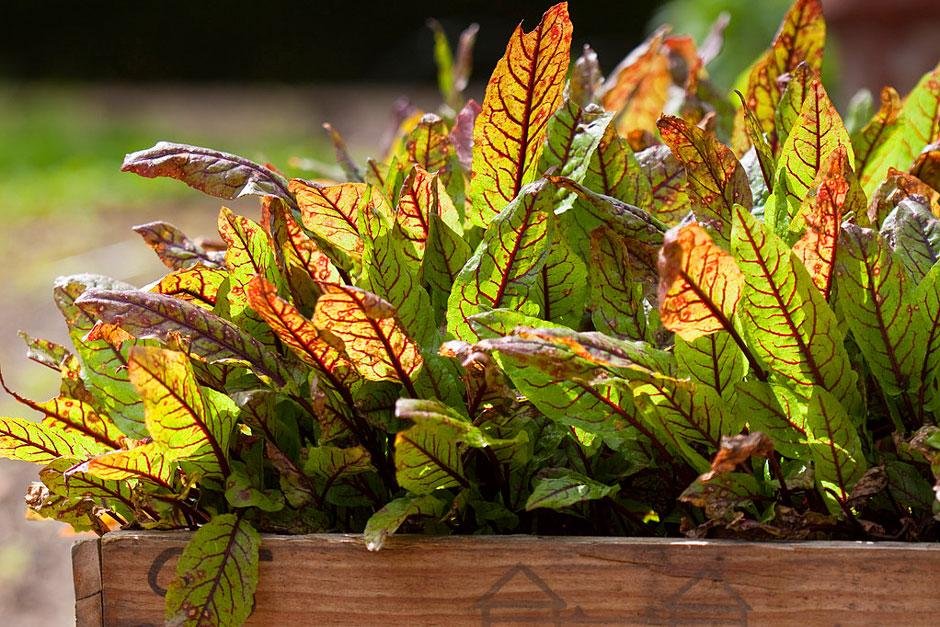
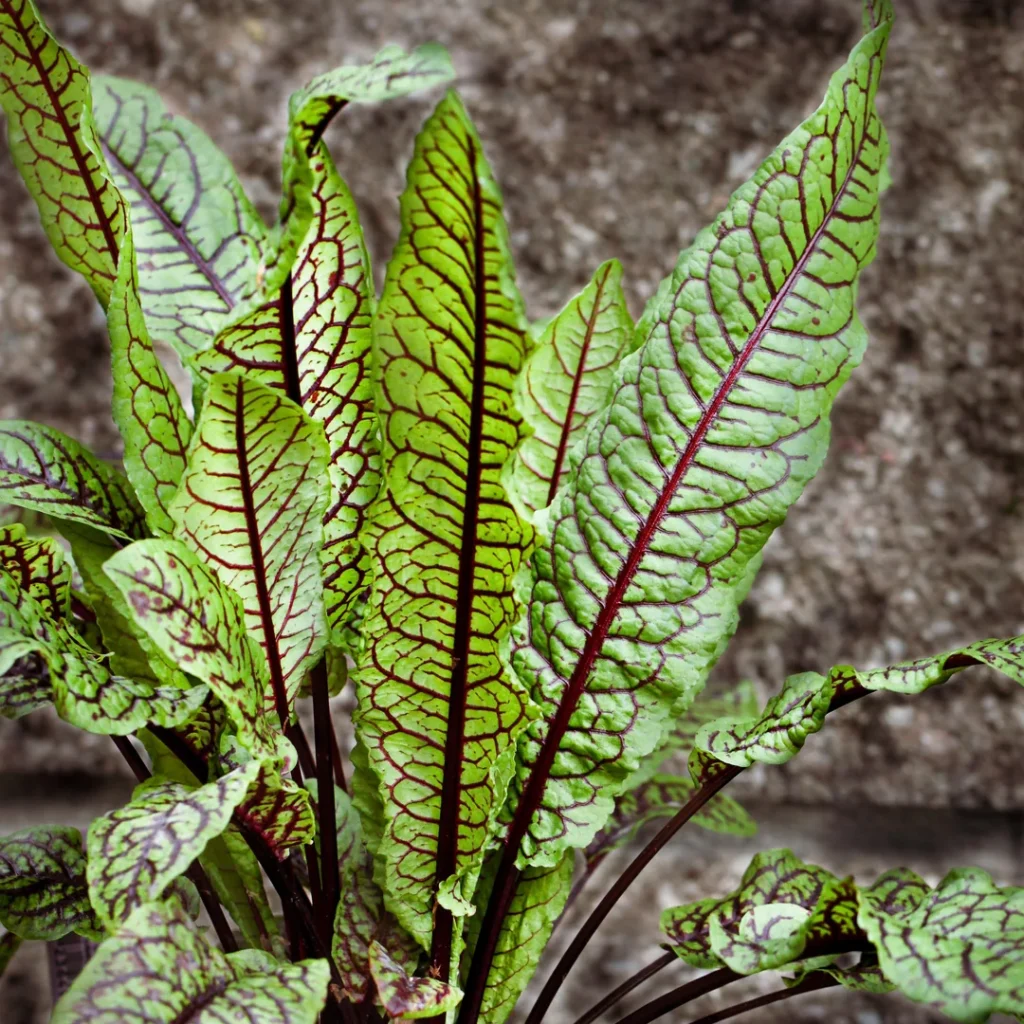
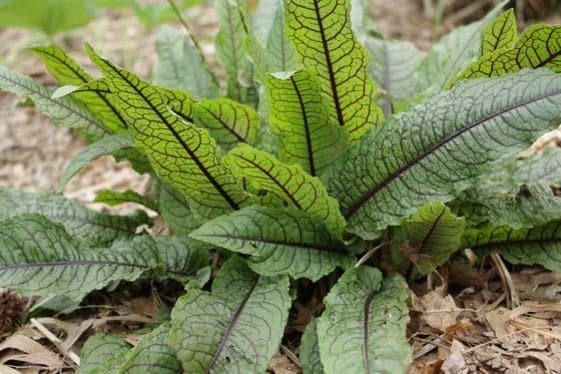
- Red Vein Sorrel: Eye-catching with green leaves streaked with red veins; adds beauty and tang to any plate.
Sorrel is also rich in vitamins A and C, iron, and antioxidants, making it not just tasty but also highly nutritious.
Choosing the Right Spot for Sorrel
One of the reasons gardeners like Nicola Chatham love growing sorrel is its adaptability. It’s hardy, easy to maintain, and thrives in both garden beds and containers.
Here’s what sorrel prefers:

- Sunlight: Sorrel grows well in full sun to partial shade. In very hot regions, partial shade helps prevent leaves from becoming too bitter.
- Soil: It loves fertile, well-draining soil with plenty of organic matter. Sorrel isn’t fussy about soil type but does best when it’s rich in compost.
- pH Level: Slightly acidic to neutral soil (6.0–7.0) is ideal.
Before planting, loosen the soil and enrich it with well-rotted compost or aged manure. This not only improves fertility but also enhances moisture retention — something sorrel enjoys.
Propagation: Growing Sorrel from Seeds or Divisions
Sorrel can be propagated in two main ways — from seeds or root divisions. Nicola Chatham often recommends growing from root divisions if you want a quicker harvest, but starting from seeds is just as rewarding.
1. Growing Sorrel from Seeds
- Timing: Sow sorrel seeds in early spring after the danger of frost has passed.
- Planting Depth: Sow seeds about ¼ inch deep.
- Spacing: Space plants about 12–18 inches apart to give them room to spread.
- Germination: Seeds typically germinate in 1–2 weeks. Keep the soil consistently moist during this period.
Once seedlings are large enough to handle, thin them out or transplant them to their permanent position.
2. Growing Sorrel from Root Divisions
If you already have a mature sorrel plant, you can divide the roots in early spring or autumn.
- Dig up the clump carefully.
- Separate it into smaller sections, each with at least one growing bud.
- Replant divisions immediately in prepared soil, water thoroughly, and mulch.
Dividing sorrel every 2–3 years keeps the plants vigorous and productive.
Caring for Your Sorrel Organically
Once established, sorrel is a low-maintenance perennial that can thrive for years with a little attention. Nicola emphasizes the importance of organic growing methods — feeding the soil naturally, avoiding synthetic fertilizers, and encouraging biodiversity.

Here’s how to care for sorrel organically:
Watering
Sorrel prefers consistent moisture but not soggy conditions. Water deeply once or twice a week, depending on the weather. Mulching around the plants helps retain moisture and suppress weeds.
Feeding
Every few months, add a layer of compost or worm castings around the base of the plant. This slow-release organic feed keeps your sorrel lush and healthy.
Weeding
Keep the area around your sorrel weed-free, especially when the plants are young. Mulching with straw, leaves, or grass clippings helps a lot.
Pest Control
Sorrel is generally pest-resistant, but aphids and slugs may occasionally appear. Use these organic methods to handle them:
- Spray aphids with a mild soap-and-water solution.
- Hand-pick slugs at dusk or use natural deterrents like crushed eggshells around the base of the plants.
- Encourage beneficial insects such as ladybugs and lacewings in your garden.
Harvesting Sorrel
Sorrel grows quickly and can be harvested within 8–10 weeks of sowing. The key is to harvest young, tender leaves — they have the best flavor.

How to harvest sorrel properly:
- Use scissors or a knife to snip the outer leaves, allowing the inner ones to keep growing.
- Avoid pulling leaves by hand as it may damage the crown of the plant.
- Continuous harvesting encourages new growth and prevents the plant from bolting (sending up flower stalks).
If your sorrel starts to flower, pinch off the flower stems to prolong leaf production. However, if you want to save seeds, let a few flowers mature and dry naturally.
Culinary Uses of Sorrel
Nicola Chatham often highlights the versatility of sorrel in the kitchen. Its bright, tangy flavor brings freshness to many dishes.
Here are some creative ways to use sorrel:
- In Salads: Mix young sorrel leaves with lettuce, spinach, or arugula for a refreshing twist.
- In Soups: Classic French sorrel soup combines sorrel, potatoes, onions, and cream for a deliciously tart dish.
- In Sauces: Puree sorrel with butter or yogurt to make a zesty sauce for fish or chicken.
- In Smoothies: Add a few leaves to green smoothies for a natural, citrusy flavor.
- As a Spinach Substitute: Sorrel can be lightly steamed or sautéed like spinach. Its tartness mellows when cooked.
Tip: Use sorrel sparingly when raw, as its oxalic acid content gives it a strong tang. Cooking reduces this sharpness.
Managing Sorrel Year-Round
One of the joys of growing sorrel is its long productivity. It’s a hardy perennial that can survive light frosts and returns year after year with minimal care.

Seasonal tips:
- Spring: New leaves emerge — perfect time for harvesting and dividing plants.
- Summer: Provide shade or extra water during very hot weather to prevent bitterness.
- Autumn: Continue harvesting until frost. Mulch plants before winter to protect roots.
- Winter: In mild climates, sorrel remains green; in colder areas, it dies back but re-emerges in spring.
If you live in a very cold zone, consider growing sorrel in containers so you can move them to a sheltered spot during freezing months.
Companion Planting with Sorrel
Sorrel makes an excellent companion plant in the garden. Its strong scent can deter pests, and it grows well alongside many vegetables.
Good companions:
- Strawberries
- Onions
- Cabbage family crops
- Herbs like thyme and parsley
Avoid planting sorrel too close to legumes like peas or beans, as it prefers slightly different soil conditions.
Why Choose Organic Sorrel?
Nicola Chatham’s organic gardening philosophy centers around sustainability, soil health, and balance. By growing sorrel organically, you not only produce healthier greens but also nurture the ecosystem in your garden.

Organic growing means:
- No harmful pesticides or synthetic fertilizers.
- Healthier soil through composting and mulching.
- Attracting pollinators and beneficial insects.
- Producing nutrient-dense, chemical-free food for your family.
Sorrel is an excellent plant for beginner organic gardeners — it’s forgiving, fast-growing, and continuously productive.
Final Thoughts: The Joy of Growing Sorrel
Growing organic garden sorrel is both rewarding and practical. It’s a perennial that keeps giving — thriving through seasons, offering a steady supply of zesty greens, and bringing biodiversity to your garden. With the simple, organic practices shared by Nicola Chatham, anyone can cultivate sorrel successfully, even in small spaces or containers.
So, whether you’re a seasoned gardener or a beginner looking to add something new and flavorful to your plot, give sorrel a try. Its refreshing tang, minimal maintenance needs, and sustainable nature make it a must-have addition to any organic home garden.

Leave A Comment