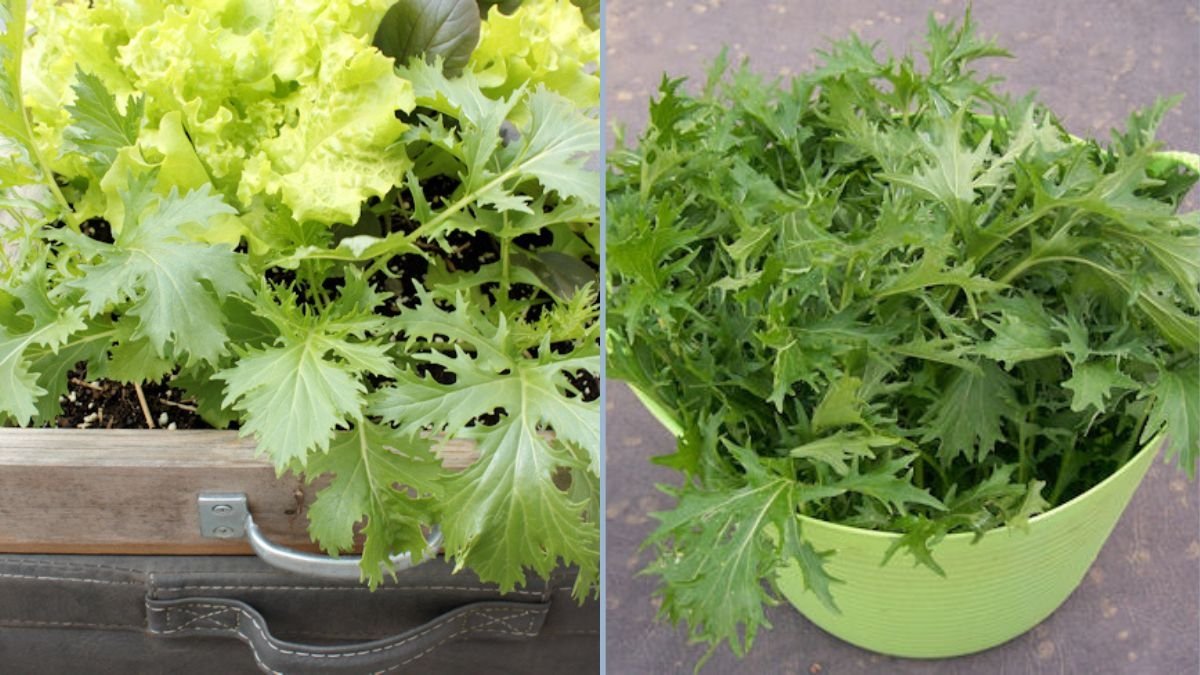
Mizuna, a tender and peppery Japanese mustard green, has become a favorite among gardeners for its delicate flavor and easy-growing nature. Whether you’re short on space or simply want to make your garden more efficient, growing mizuna in a smart vertical garden is a brilliant way to enjoy fresh, nutritious greens all year long.
In this blog post, we’ll explore how to cultivate mizuna using vertical gardening systems — from choosing the right setup and planting techniques to maintenance, harvesting, and the many benefits this leafy green brings to your plate and lifestyle.
What Is Mizuna?
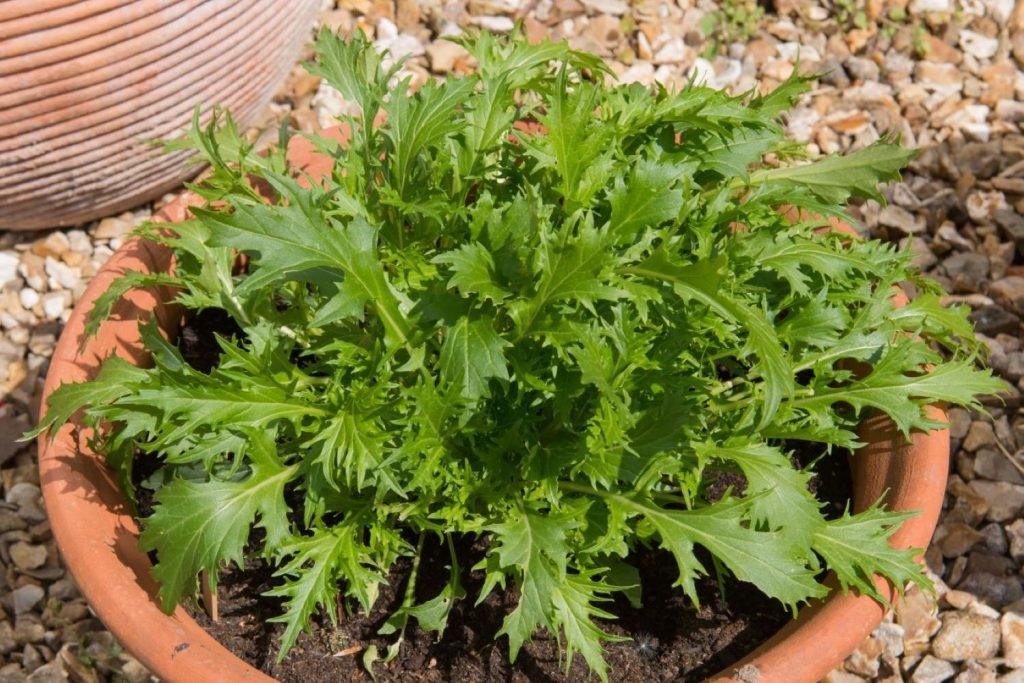
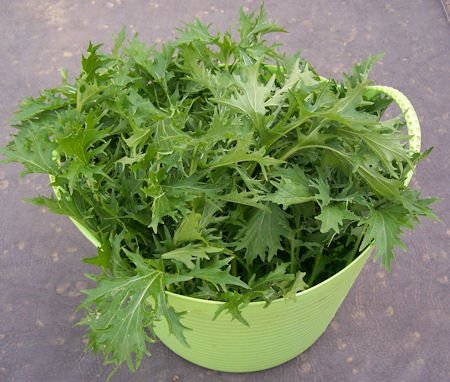
Mizuna (Brassica rapa var. nipposinica) is a leafy green vegetable native to Japan and part of the mustard family. Known for its feathery leaves and mild, peppery taste, mizuna is often used in salads, soups, and stir-fries.
It’s a cool-season crop that thrives in moderate temperatures, making it perfect for both indoor and outdoor vertical gardens. Mizuna grows quickly, can be harvested multiple times, and is exceptionally resilient — an ideal choice for beginners and experienced gardeners alike.
Why Grow Mizuna in a Smart Vertical Garden?
A smart vertical garden uses vertical space and automated watering systems to grow plants efficiently. It’s a perfect solution for urban dwellers or anyone looking to maximize yield in a small area. Here are some key benefits of growing mizuna vertically:

- Space Efficiency – Vertical gardens allow you to grow more plants per square foot. You can easily grow multiple varieties of greens, including mizuna, lettuce, and spinach, even on a balcony or patio.
- Smart Watering and Nutrient Control – Many vertical garden systems feature automatic irrigation and nutrient delivery, ensuring consistent moisture and optimal growth without overwatering.
- Cleaner and Healthier Greens – Since mizuna grows above ground, it’s less susceptible to pests, soil-borne diseases, and contamination.
- Faster Growth and Higher Yields – With the right smart garden setup, mizuna grows quickly — often ready for harvest in just 3–4 weeks after planting.
- Sustainability and Aesthetics – Vertical gardens save water, reduce soil waste, and add beauty to your living space, making them both eco-friendly and visually appealing.
Choosing the Right Smart Vertical Garden System
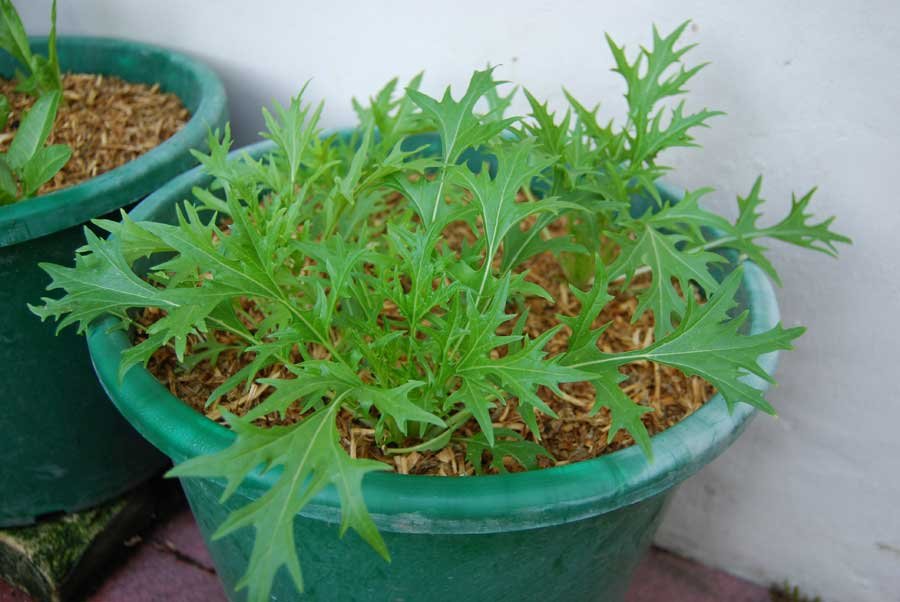
Before planting mizuna, choose a smart vertical garden system suited to your space and budget. Here are a few options:
- Hydroponic Towers: Ideal for growing mizuna without soil. These towers use nutrient-rich water and automated systems to deliver everything the plant needs.
- Wall-Mounted Systems: Great for balconies or patios, these setups allow you to grow greens vertically against a wall using small pots or planters.
- Stacked Planters: A simple and affordable option where containers are stacked on top of each other, perfect for soil-based growing.
Make sure your vertical garden has good drainage, consistent water flow, and access to sunlight (at least 4–6 hours daily).
How to Plant Mizuna in a Smart Vertical Garden
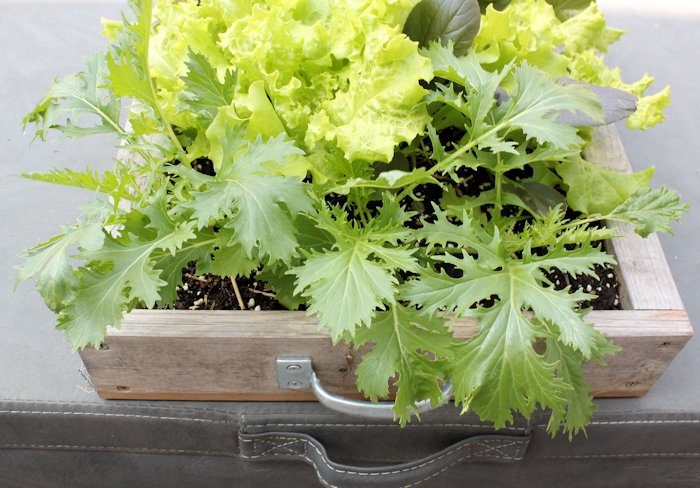
Here’s a step-by-step guide to growing healthy mizuna in your vertical setup:
1. Choose the Right Variety
Mizuna comes in several varieties, such as:
- Kyona Mizuna: Classic narrow leaves with mild flavor.
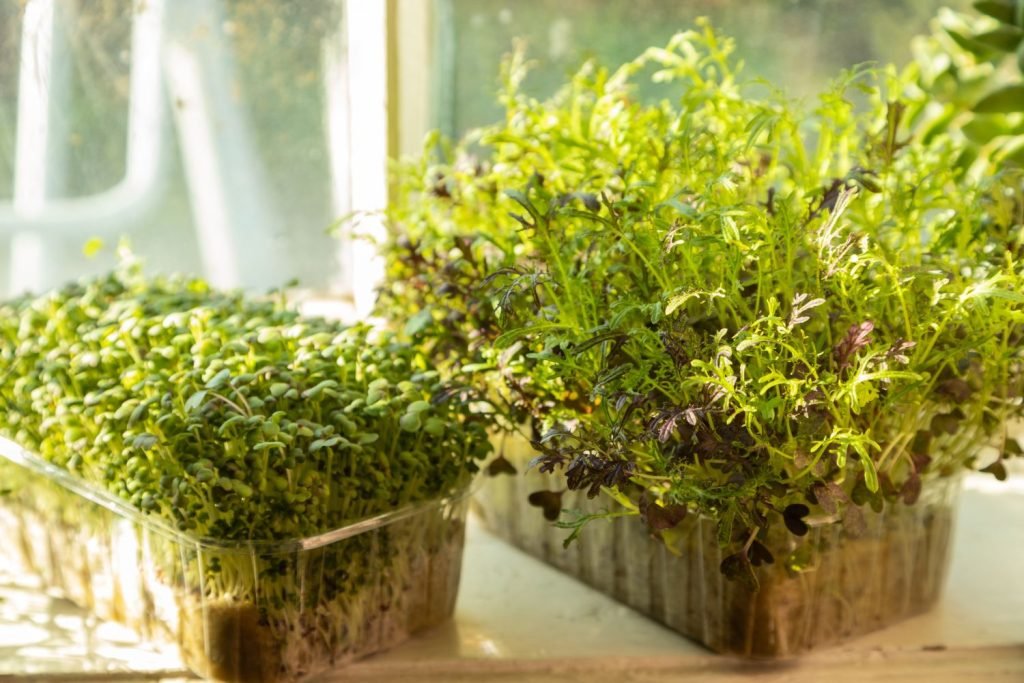
- Red Mizuna: Attractive red-tinted leaves with slightly spicier taste.
- Early Mizuna: Fast-maturing variety ideal for quick harvests.
All varieties do well in vertical gardens, but choose one that matches your climate and taste preferences.

2. Prepare the Growing Medium
For soil-based systems, use a light, well-draining mix with compost and coco peat. If you’re using a hydroponic system, fill your planting cells with rock wool, perlite, or hydroton.
3. Sow the Seeds
Sprinkle mizuna seeds lightly on the surface of the growing medium. Cover them with a thin layer of soil (about ¼ inch deep) and mist with water. Seeds germinate quickly — usually within 3–5 days.
4. Provide the Right Conditions
Mizuna prefers cool temperatures between 10°C and 24°C (50°F–75°F). In warmer climates, place your vertical garden in a shaded or semi-shaded area to prevent bolting (premature flowering).
Maintain consistent moisture — mizuna likes evenly damp soil but not soggy conditions. Smart vertical gardens with automatic watering make this easy.
5. Nutrient Feeding
Feed mizuna every two weeks with a balanced liquid fertilizer rich in nitrogen. If using a hydroponic setup, make sure your nutrient solution is specifically designed for leafy greens.

6. Light and Air Circulation
If you’re growing mizuna indoors, use LED grow lights to provide at least 12–14 hours of light daily. Good airflow prevents fungal issues and ensures strong, healthy leaves.
Caring for Mizuna Plants
Once your mizuna begins to grow, maintenance is simple:
- Regular Trimming: Snip outer leaves as needed to encourage continuous growth.
- Pest Control: Mizuna is generally pest-resistant, but watch for aphids or flea beetles. You can use neem oil spray or insecticidal soap as a natural deterrent.
- Water Management: Don’t let the soil dry out. Smart irrigation systems can handle this automatically, but check periodically for blockages.
- Temperature Management: If it gets too hot, provide shade. During colder months, you can move the system indoors or cover it with protective plastic.
Harvesting Mizuna
Mizuna grows fast! You can start harvesting baby leaves in about 3 weeks and mature leaves in 5–6 weeks.
To harvest:
- Use scissors to snip the outer leaves about an inch above the base.
- Leave the inner leaves intact for continued growth.
- Regular harvesting encourages the plant to produce new leaves, extending your harvest season.
You can enjoy multiple harvests from the same plant before replanting.

Culinary Uses of Mizuna
Mizuna’s mild, slightly peppery taste adds a unique flavor to many dishes. Here are a few delicious ways to use your homegrown greens:
- Salads: Combine baby mizuna with arugula, spinach, and lettuce for a flavorful salad mix.
- Stir-Fries: Toss mizuna with garlic, sesame oil, and soy sauce for a quick side dish.
- Soups and Noodles: Add chopped mizuna at the end of cooking for a fresh, leafy texture.
- Smoothies: Blend young leaves with fruits and greens for a nutrient boost.
- Garnish: Use as a beautiful and edible garnish for sushi, grilled dishes, or ramen.
Benefits of Growing Mizuna at Home
Growing mizuna in a smart vertical garden isn’t just about convenience — it’s also great for your health and the environment:
- Nutrient-Rich: Mizuna is packed with vitamins A, C, and K, along with calcium and antioxidants.
- Supports Immune Health: Its nutrient profile strengthens the immune system and reduces inflammation.
- Eco-Friendly Gardening: Vertical gardens use less water and soil, reducing environmental impact.
- Fresh, Pesticide-Free Greens: You control what goes into your plants — no harmful chemicals.
- Mental Well-Being: Gardening, even in small spaces, promotes relaxation and reduces stress.
Troubleshooting Common Mizuna Growing Problems
Even with a smart vertical system, a few issues can arise. Here’s how to handle them:
- Bolting: Happens in high temperatures or stress. Keep mizuna cool and harvest regularly.
- Yellow Leaves: Indicates nutrient deficiency — feed with balanced fertilizer.
- Wilting: Usually due to underwatering or excessive heat. Adjust your watering schedule.
- Pests: Aphids can be controlled using organic sprays or introducing ladybugs to your garden.
Final Thoughts
Growing mizuna in a smart vertical garden is a fantastic way to enjoy continuous, fresh greens right at home — no matter the season or available space. Its quick growth, resilience, and nutritional benefits make it an ideal crop for both new and experienced gardeners.
With the help of modern smart gardening technology, you can automate watering, reduce maintenance, and harvest healthy, flavorful leaves whenever you like. Whether you live in a city apartment, a suburban home, or have just a small balcony, mizuna can thrive beautifully in your vertical garden setup.

So, start planting today and enjoy the satisfaction of harvesting crisp, homegrown mizuna for your salads, soups, and stir-fries — straight from your smart vertical garden!

Leave A Comment