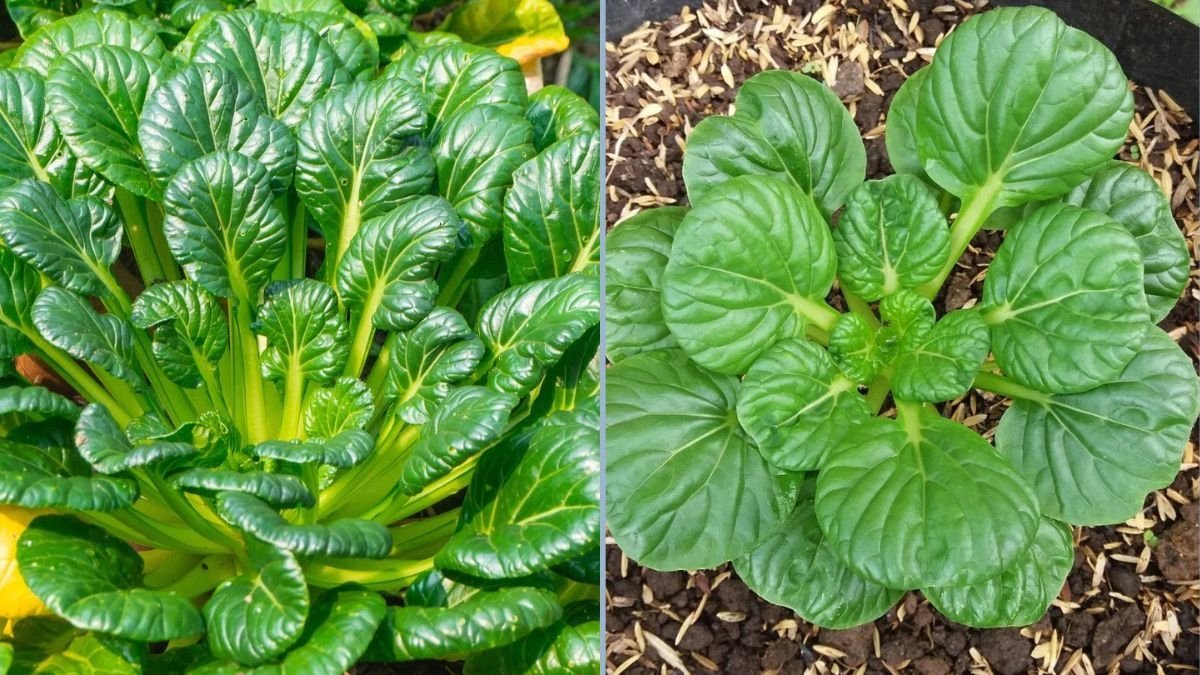
If you’re searching for a leafy green that thrives in cool weather, grows quickly, and fetches a high profit at market, Tatsoi might just be your new favorite crop. Often called spoon mustard or rosette bok choy, Tatsoi is an Asian leafy green prized for its mild, mustard-like flavor and glossy, spoon-shaped leaves. What’s even better is that it’s remarkably cold-tolerant—making it one of the best greens to grow in late fall, winter, and early spring.
In this detailed guide, we’ll uncover the insider tricks to growing Tatsoi in cold seasons—including planting techniques, temperature management, harvesting tips, and ways to maximize yield and profit. Whether you’re a home gardener, small farmer, or market grower, you can turn Tatsoi into a productive, high-return winter crop with a few smart growing strategies.
What Makes Tatsoi Perfect for Cold-Season Growing
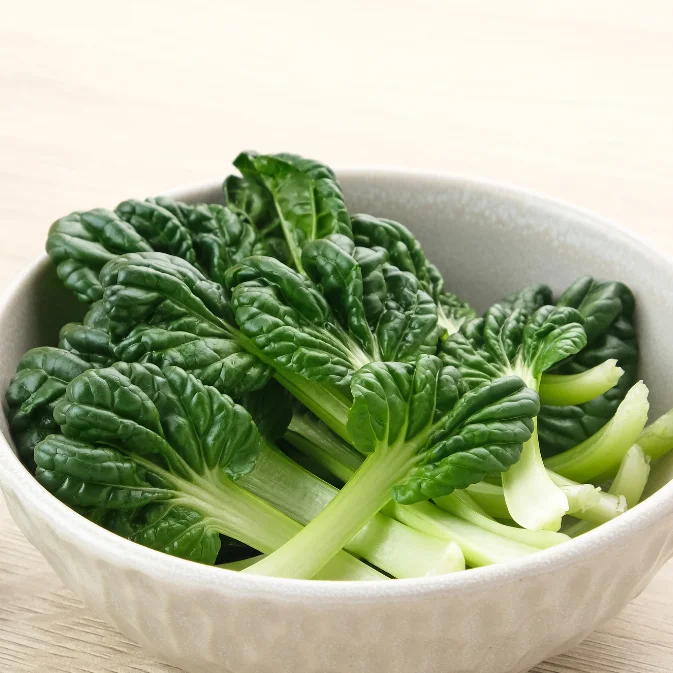
Tatsoi (Brassica rapa var. rosularis) belongs to the same family as bok choy, kale, and mustard greens. It’s native to East Asia, where it’s been cultivated for centuries for soups, stir-fries, and salads. Unlike many leafy greens that struggle when temperatures dip, Tatsoi actually loves the cold.
Here’s why it stands out:
- Frost-Hardy: Tatsoi can survive temperatures as low as -10°C (14°F) when mature. Its low, rosette shape helps protect the inner leaves from frost.
- Fast Growing: You can harvest baby leaves in just 3–4 weeks and full-sized rosettes in 6–8 weeks, allowing for multiple harvests per season.
- Compact & High Yield: Its tight, low-growing structure makes it ideal for greenhouses, tunnels, or compact raised beds, allowing more plants per square foot.
- High Market Value: With growing consumer demand for Asian greens, Tatsoi sells at a premium, especially during off-season months.
These traits make Tatsoi a secret weapon for cold-weather profits and year-round gardening success.

Choosing the Right Variety and Growing Setup
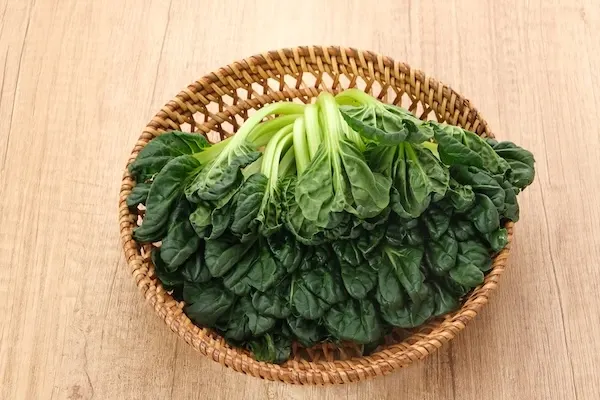
When it comes to Tatsoi, selecting the right variety and environment makes a huge difference.
Recommended Varieties
- ‘Rosette Tatsoi’ – Classic variety forming dark green, glossy leaves in a neat rosette.
- ‘Asian Delight’ – Slightly upright habit, great for mixed greens and faster harvesting.
- ‘Savoy Tatsoi’ – Crinkled leaves with a rich flavor, ideal for stir-fries.
Ideal Growing Setup
- Cold Frames or Low Tunnels: A simple and affordable setup that shields your Tatsoi from wind and frost.
- Unheated Greenhouses: Tatsoi thrives in these during winter with minimal heating needs.
- Raised Beds or Containers: Perfect for small spaces—just ensure good drainage and nutrient-rich soil.
If you’re growing commercially, succession planting in protected structures ensures steady supply even in midwinter.
How to Plant Tatsoi for Maximum Yield
Step 1: Prepare the Soil
Tatsoi prefers fertile, well-drained soil with a pH between 6.0 and 7.5. Before planting, work in plenty of organic compost or well-rotted manure. This boosts leaf production and enhances flavor.
Step 2: Sowing Seeds
You can sow Tatsoi directly in the ground or start it in trays for transplanting.
- Direct Sowing: Plant seeds about ¼ inch deep and 2 inches apart in rows 8–10 inches apart.
- Transplanting: Start seeds indoors 3–4 weeks before your last frost date and transplant when seedlings have 3–4 true leaves.
For continuous harvest, sow seeds every 2–3 weeks until early spring.

Step 3: Optimal Temperature
Tatsoi grows best in cool temperatures between 10°C and 20°C (50°F–68°F). When it’s too warm, it bolts quickly, but in cold weather, it forms dense, flavorful leaves.
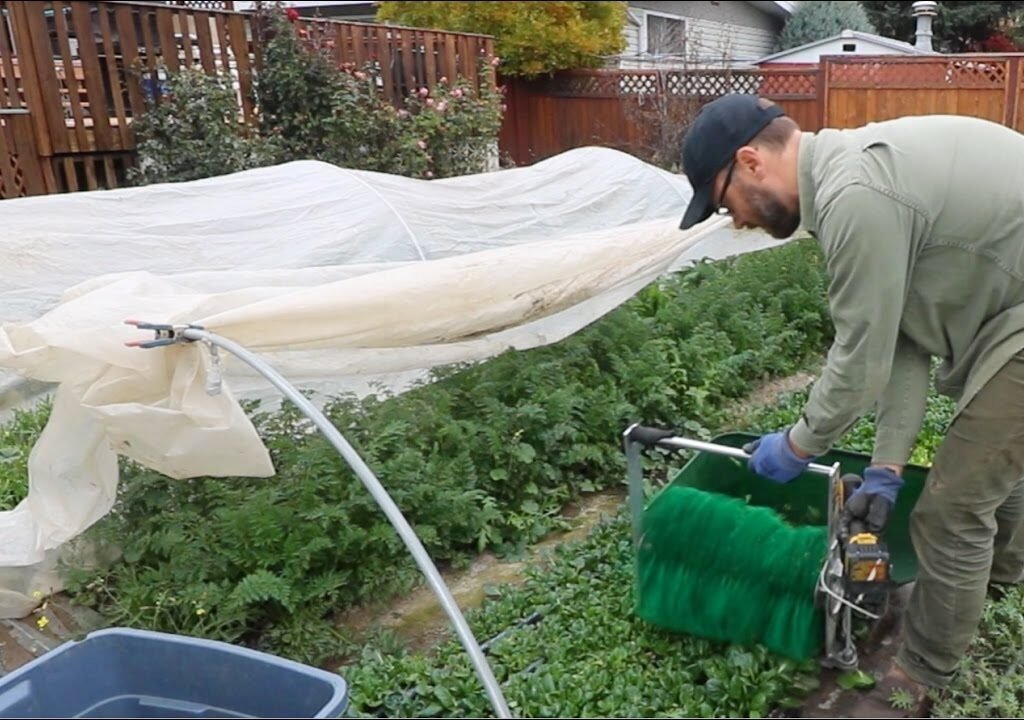
If you’re growing outdoors, cover with frost cloth or row covers to protect young seedlings during severe frost.
Watering and Fertilizing Tips
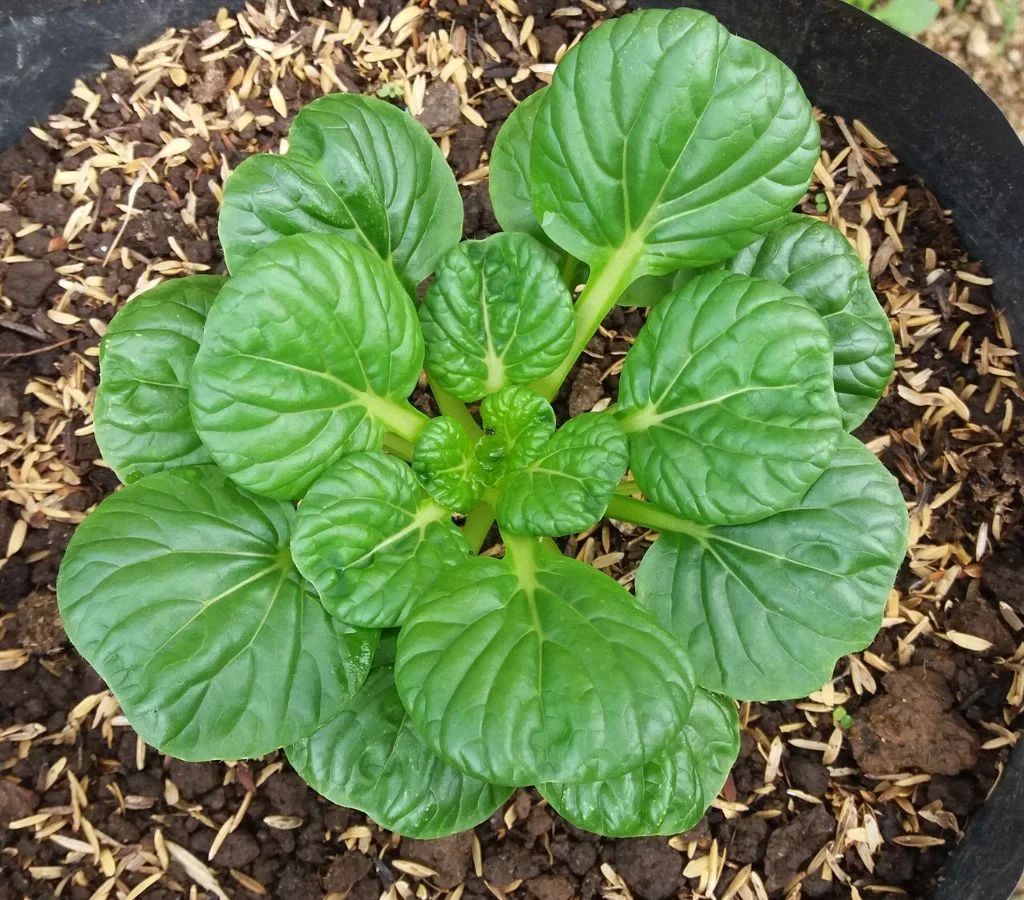
Although Tatsoi tolerates cold, it still requires consistent moisture to grow tender, juicy leaves.
- Watering: Keep soil evenly moist but not soggy. Drip irrigation or watering at the base helps prevent fungal issues.
- Fertilization: Apply a balanced fertilizer (10-10-10) once or twice during the growing season. Over-fertilizing can lead to excessive leaf growth with reduced flavor.
A light feeding of fish emulsion or compost tea every few weeks provides excellent natural nutrients and boosts plant health in cooler conditions.
Insider Trick: Use Microclimates for Winter Growth
Here’s the insider trick that experienced growers use to make Tatsoi thrive in cold seasons: creating and managing microclimates.

Tatsoi is frost-tolerant but still benefits from a little environmental control. You can extend its growth period and improve yield by modifying small-scale growing conditions:
- Thermal Mass: Place water-filled jugs or dark stones around plants in tunnels or greenhouses. They absorb heat during the day and release it at night, keeping temperatures stable.
- Row Covers: Lightweight covers trap warmth and humidity, protecting young plants from frost while promoting faster growth.
- Mulching: Apply straw or leaf mulch around the base of plants to insulate the soil and maintain moisture.
- Wind Protection: Use simple barriers or grow Tatsoi near other taller crops to reduce wind stress and prevent drying out.
These small adjustments can boost Tatsoi yield by 30–40% in cold months, turning a modest winter crop into a steady source of income.
Pest and Disease Management
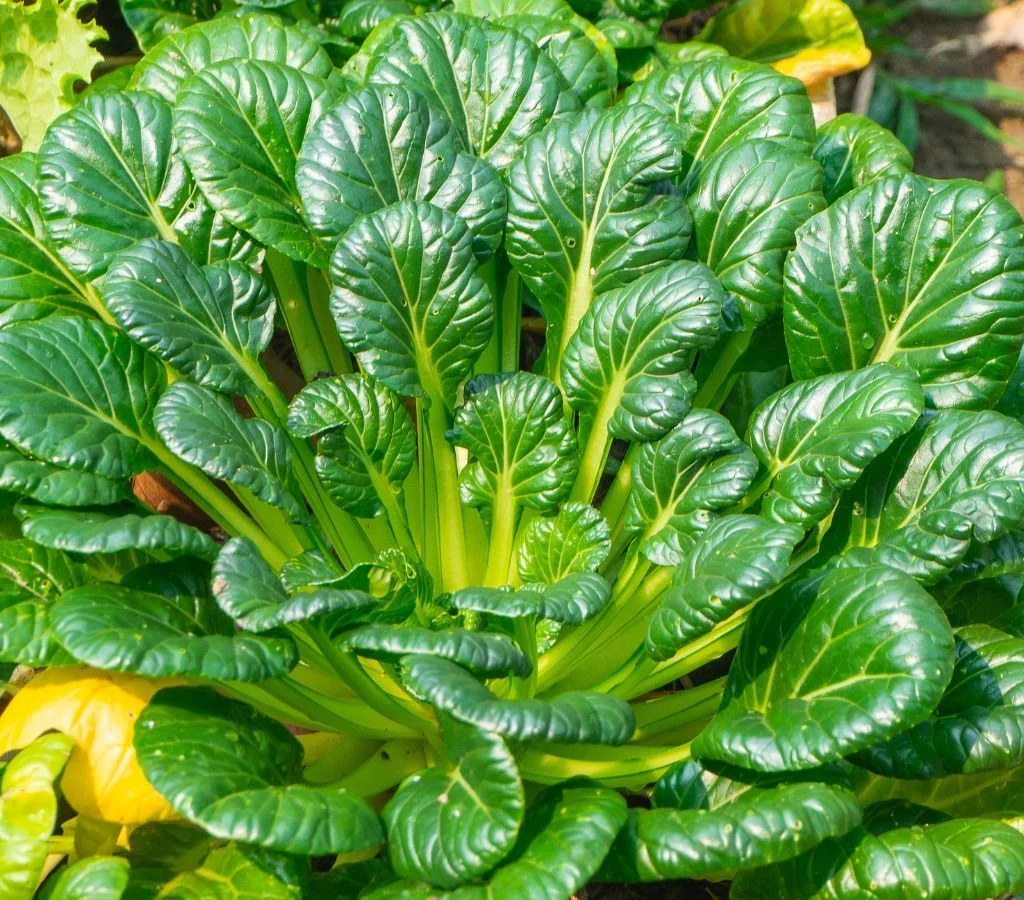
Tatsoi’s cool-season preference means fewer pest issues, but you should still stay alert for common threats.
Common Pests:
- Aphids – Control with neem oil spray or by introducing ladybugs.
- Flea Beetles – Use row covers early on and sprinkle diatomaceous earth.
- Slugs & Snails – Remove by hand or use natural slug traps (beer traps work wonders).
Diseases:

- Downy Mildew and Leaf Spot can appear in overly damp conditions. Ensure good airflow and avoid overhead watering.
Maintaining a consistent crop rotation and keeping your growing area clean are simple but powerful preventive steps.
Harvesting Tatsoi for Quality and Profit
You can harvest Tatsoi at various growth stages depending on your market or kitchen needs.
- Baby Leaves (21–25 days): Ideal for mixed salad greens—tender, mild, and quick to sell.
- Full Rosette (45–55 days): For fresh market sales, soups, and cooking greens.
Use a sharp knife to cut the rosette just above the crown. If the weather stays cool, Tatsoi will regrow for a second or even third harvest.
Store harvested leaves at 0–2°C (32–36°F) in a humid environment to keep them crisp and fresh for up to two weeks.
How to Maximize Profits with Tatsoi
Here are some practical tips for turning your Tatsoi harvest into a profitable venture:

- Market Niche: Sell as a premium Asian green or winter salad mix component. Its unique appearance and texture attract gourmet buyers.
- Succession Planting: Maintain staggered sowings for consistent supply throughout the winter.
- Value-Added Products: Offer washed, bagged baby Tatsoi or mix it with other greens for “winter salad blends.”
- Direct Sales: Farmers’ markets, local restaurants, and CSA boxes love locally grown, fresh Asian greens.
- Branding: Market your Tatsoi as cold-season sustainable produce—appealing to eco-conscious consumers.
Because it’s both rare and resilient, Tatsoi can fetch up to twice the price of common greens like spinach or lettuce in off-season markets.
Final Thoughts
Growing Tatsoi in cold seasons isn’t just about filling the winter gardening gap—it’s about turning cold weather into an opportunity. With its frost tolerance, quick growth, and premium market value, Tatsoi offers one of the best returns per square foot for small-scale farmers and home gardeners alike.
By leveraging simple microclimate tricks, protecting your plants with tunnels or covers, and maintaining regular planting schedules, you can enjoy steady harvests and strong profits all season long.
Whether you’re growing Tatsoi for family meals or market sales, this humble Asian green can become your winter gold—proof that the cold season doesn’t have to mean the end of fresh, green abundance.

Leave A Comment