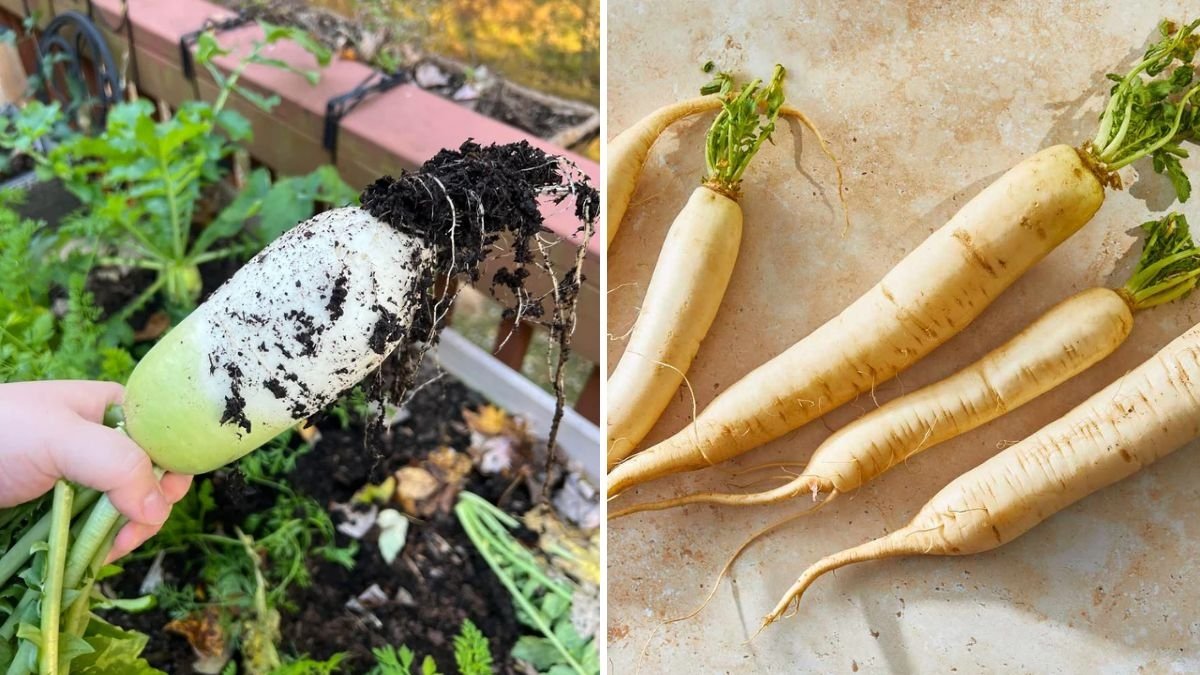
If you’re looking to add a highly versatile, fast-growing, and nutrient-packed vegetable to your garden, Daikon radishes are the perfect choice. Known for their crisp texture, mild flavor, and incredible adaptability, these white radishes are not just another root crop—they’re a garden powerhouse. Whether you’re a seasoned gardener or just starting out, growing daikon radishes can bring numerous benefits to your soil, your kitchen, and even your overall gardening strategy.
In this article, we’ll dive into everything that makes daikon radishes a must-grow plant: from their multiple uses and soil-improving qualities to planting, harvesting, and practical tips to get the most out of this amazing vegetable.
What Is Daikon Radish?
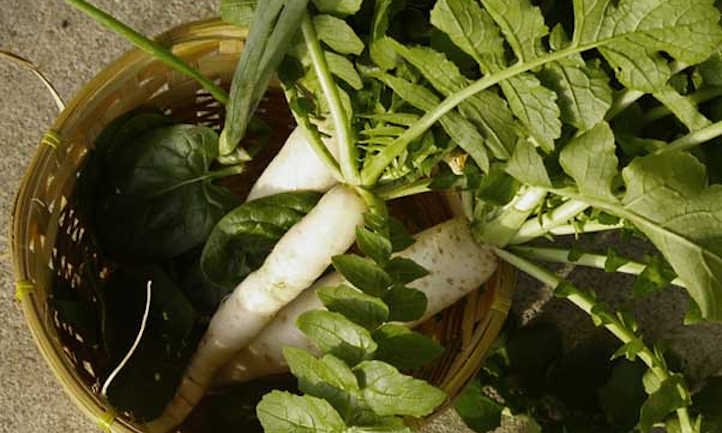
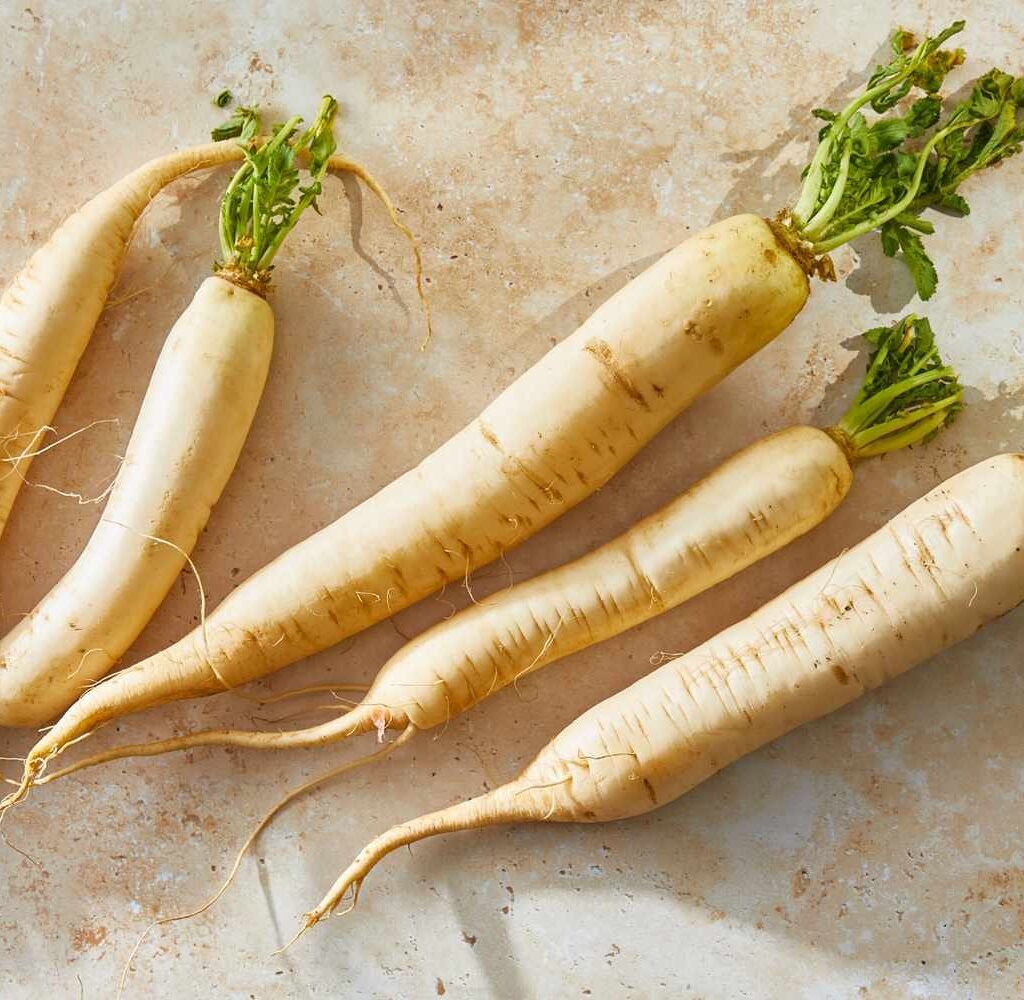
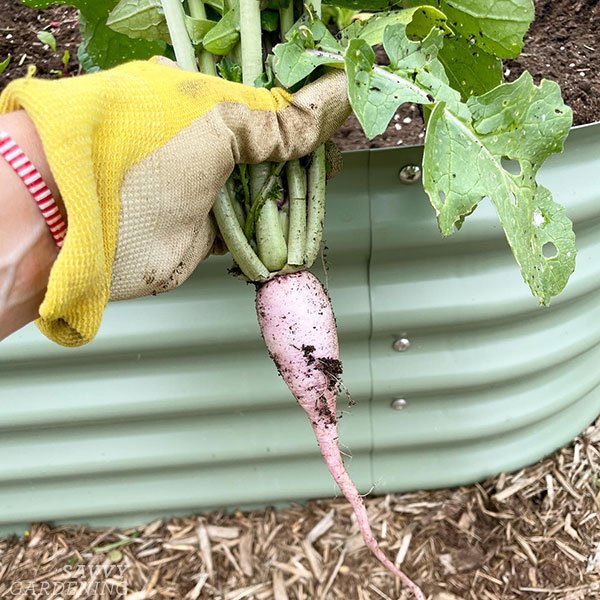
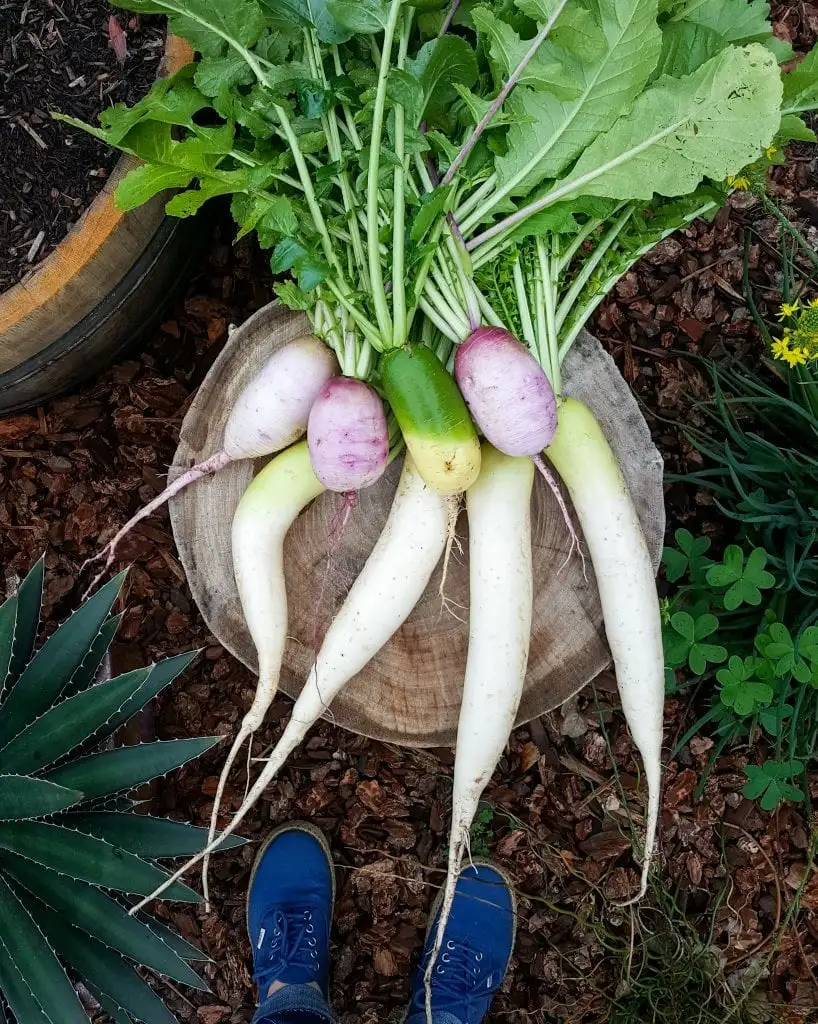
Daikon (Raphanus sativus var. longipinnatus) is a type of winter radish that originated in East Asia. The word “daikon” means “big root” in Japanese—and rightly so! These radishes can grow impressively long, sometimes reaching 18 inches or more. Unlike the small, spicy red radishes many gardeners are familiar with, daikons are larger, milder, and have a juicy, crisp texture.
They come in several varieties—some long and white, others round, green-topped, or even purple. Common types include ‘Miyashige,’ ‘Minowase,’ and ‘April Cross.’ Each offers a slightly different flavor and texture, but all share one key trait: versatility.
Why You Need to Grow Daikon Radishes
Daikon radishes are not just edible; they are multi-functional garden heroes. Here’s why they deserve a place in every garden:

1. Excellent Soil Breaker and Improver
Daikon radishes are often called “tillage radishes” for a good reason. Their long taproots grow deep into the soil, naturally aerating compacted ground and breaking up hardpan layers that prevent water and nutrients from reaching plant roots.
When the radishes decompose after the season, they leave behind open channels that improve drainage, soil structure, and root penetration for future crops. It’s nature’s way of tilling the soil—without machinery!
2. Perfect for Cover Cropping
Gardeners often use daikon radishes as a cover crop to reduce erosion, suppress weeds, and add organic matter back into the soil. Their leafy tops shade out weeds, while their roots store nutrients that are later released as they break down. This makes them an excellent addition to crop rotation systems or organic gardening plans.
3. Nutrient Scavenger
Daikon roots reach deep into the soil, pulling up nutrients—especially nitrogen and potassium—that shallow-rooted plants can’t access. These nutrients are then stored in the radish and released back into the topsoil once the plant decomposes, enriching your garden naturally.
4. Delicious and Nutritious Food Source
Of course, daikon radishes are also fantastic in the kitchen! Their mild, slightly sweet flavor makes them suitable for salads, stir-fries, soups, and pickles. You can eat them raw, roasted, sautéed, or fermented. Even the leafy greens are edible and packed with vitamins A, C, and calcium.

5. Fast-Growing and Low-Maintenance
Daikons grow quickly—usually ready for harvest in just 50 to 70 days. They thrive in cool weather, making them a great fall or early spring crop. Once planted, they require minimal care beyond regular watering and a bit of weeding.
6. Natural Pest Control
Another hidden benefit is that daikon can act as a trap crop for pests like flea beetles and nematodes. These insects are drawn to daikon roots and leaves, sparing your more delicate crops from damage.
When and Where to Plant Daikon Radishes
Daikon radishes prefer cool weather and loose, well-drained soil. In most regions, they are planted in late summer or early fall so they can mature as temperatures drop.
Ideal Growing Conditions:
- Sunlight: Full sun (at least 6 hours per day)
- Soil Type: Loose, loamy soil; avoid heavy clay unless well-amended
- Soil pH: Slightly acidic to neutral (6.0 to 7.0)
- Temperature Range: 50°F to 75°F (10°C to 24°C)
If your garden soil is heavy or compacted, consider growing daikon radishes in raised beds or deep containers. The deep taproot needs plenty of vertical space to grow straight and healthy.
How to Plant Daikon Radishes
- Prepare the Soil:
Loosen the top 8–12 inches of soil and remove stones or debris. Add compost or aged manure for nutrients. - Sow Seeds:
Plant seeds about ½ inch deep and 2 inches apart in rows spaced 12–18 inches apart. - Thin Seedlings:
Once seedlings are 2–3 inches tall, thin them to 4–6 inches apart. Crowding can lead to misshapen roots. - Watering:
Keep the soil consistently moist but not soggy. Irregular watering can cause cracking. - Fertilization:
Daikons don’t need heavy feeding. A light side dressing of compost mid-season is often enough.
Caring for Daikon Radishes
Daikon radishes are hardy, but a few simple care tips can help ensure a great harvest:

- Weeding: Keep the area weed-free to reduce competition for nutrients.
- Mulching: Apply a layer of mulch to retain moisture and suppress weeds.
- Pests: Watch out for flea beetles, root maggots, and aphids. Using row covers or neem oil sprays can help control them naturally.
- Bolting Prevention: Avoid planting during hot weather, as daikons can bolt (flower prematurely) in heat.
Harvesting Daikon Radishes
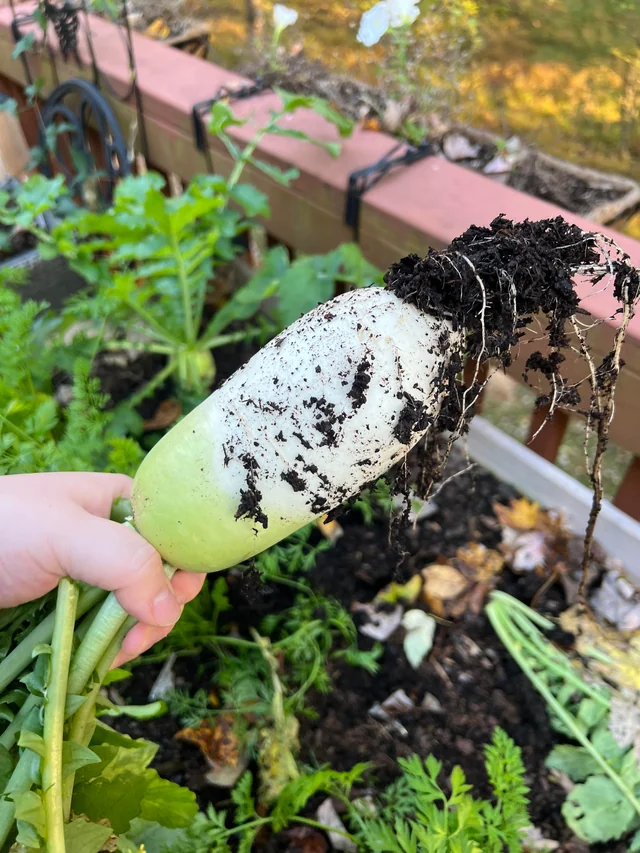
You’ll know it’s time to harvest when the top of the root starts to show above the soil surface—usually 50 to 70 days after sowing. The radish should be firm and thick but not woody.
To harvest:
- Loosen the soil around the root with a garden fork or hand tool.
- Gently pull the radish out by the base of the greens.
Don’t wait too long—overgrown daikons can become fibrous and lose their flavor.
Culinary Uses of Daikon Radishes
Daikon radishes are incredibly versatile in the kitchen. Here are some popular ways to enjoy them:
- Raw in Salads:
Slice thinly or grate into slaws for a crisp, refreshing crunch. - Pickled:
In Japanese and Korean cuisines, daikon is commonly pickled—such as takuan or danmuji—for a tangy, flavorful side dish. - Cooked in Soups and Stir-Fries:
Daikon softens beautifully when cooked, absorbing flavors of broth, soy sauce, or miso. - Roasted or Steamed:
Cooking daikon brings out its natural sweetness, making it a delicious side dish for meats or rice bowls. - Using the Greens:
Don’t throw away the tops! Sauté the greens with garlic and sesame oil for a nutritious, slightly peppery dish.
Using Daikon Radishes for Soil Health
Even if you don’t plan to eat your daikon harvest, planting them for soil improvement is one of the smartest gardening strategies you can use. When left in the ground over winter, the roots decay naturally, leaving behind deep channels that enhance aeration and microbial activity.

This method, known as bio-tillage, helps prepare the soil for next season’s crops—especially deep-rooted vegetables like carrots, potatoes, and tomatoes.
Additionally, daikon’s nutrient-rich decomposition adds valuable organic matter to the soil, improving fertility for future plantings.
Environmental Benefits of Growing Daikon
Growing daikon radishes also contributes to sustainable gardening practices:
- Reduces need for chemical fertilizers by recycling nutrients naturally.
- Prevents soil erosion with its dense canopy and strong root structure.
- Supports biodiversity by creating habitats for beneficial soil organisms.
- Minimizes tillage, reducing fuel and labor requirements in large gardens or farms.
In short, daikon radishes help you grow healthier plants while supporting the environment.
Saving Daikon Seeds
If you’d like to save seeds for next season, allow a few plants to bolt and produce seed pods. When the pods turn brown and dry, harvest them and extract the seeds. Store in a cool, dry place for up to three years.

This sustainable approach not only saves money but also helps you adapt seeds that thrive in your local growing conditions.
Final Thoughts
Daikon radishes truly live up to their reputation as a multi-purpose root vegetable. Whether you grow them to improve your soil, feed your family, or simply enjoy their quick and satisfying growth, they are an outstanding addition to any garden.
From their deep-rooted soil benefits to their delicious culinary versatility, daikon radishes offer something for everyone. Plant them once, and you’ll see why so many gardeners swear by this humble yet powerful crop.

Leave A Comment