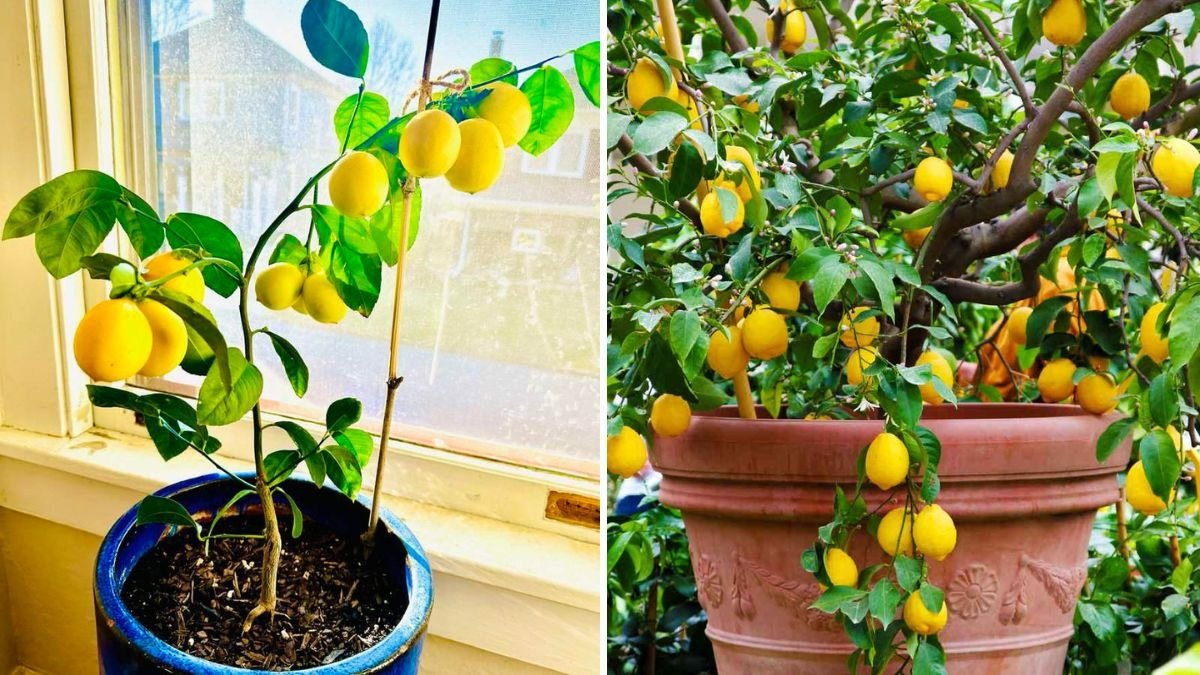
Growing Meyer lemons in containers is one of the most rewarding gardening experiences you can have. These small, fragrant citrus trees not only produce deliciously sweet and tangy fruits but also fill your home or balcony with a refreshing lemony scent. Whether you have limited space or just want the joy of picking fresh lemons right from your patio, this guide will show you exactly how to grow Meyer lemons in containers successfully—from choosing the right pot to harvesting juicy fruits.
Why Choose Meyer Lemons?
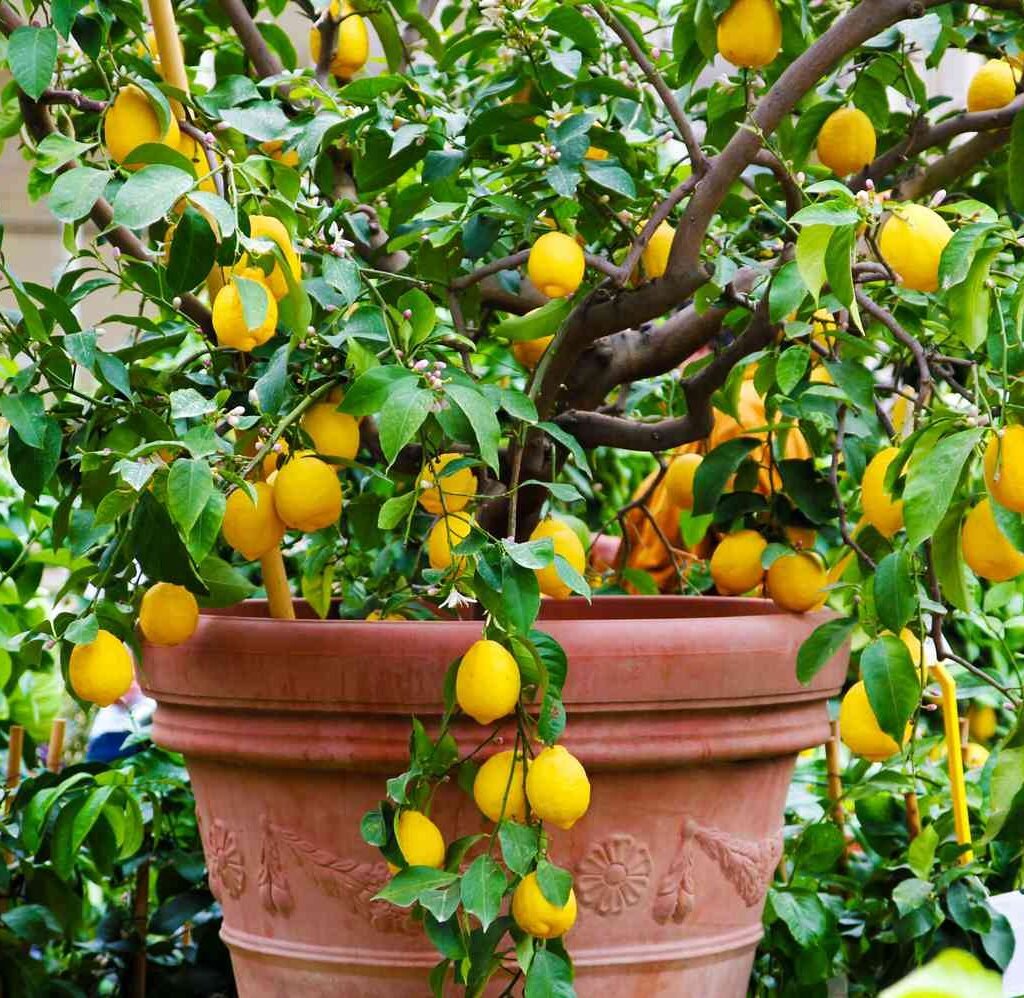
Meyer lemons are a hybrid between a traditional lemon and a sweet orange, which gives them their signature flavor—a perfect balance of tart and sweet. They’re less acidic than regular lemons, have thin, smooth skin, and are perfect for cooking, baking, or making lemonade.
Another major advantage? Meyer lemons grow exceptionally well in containers, making them ideal for urban gardeners and those living in colder regions. You can easily move the pot indoors during winter and back outside once the temperatures rise.
1. Choosing the Right Container
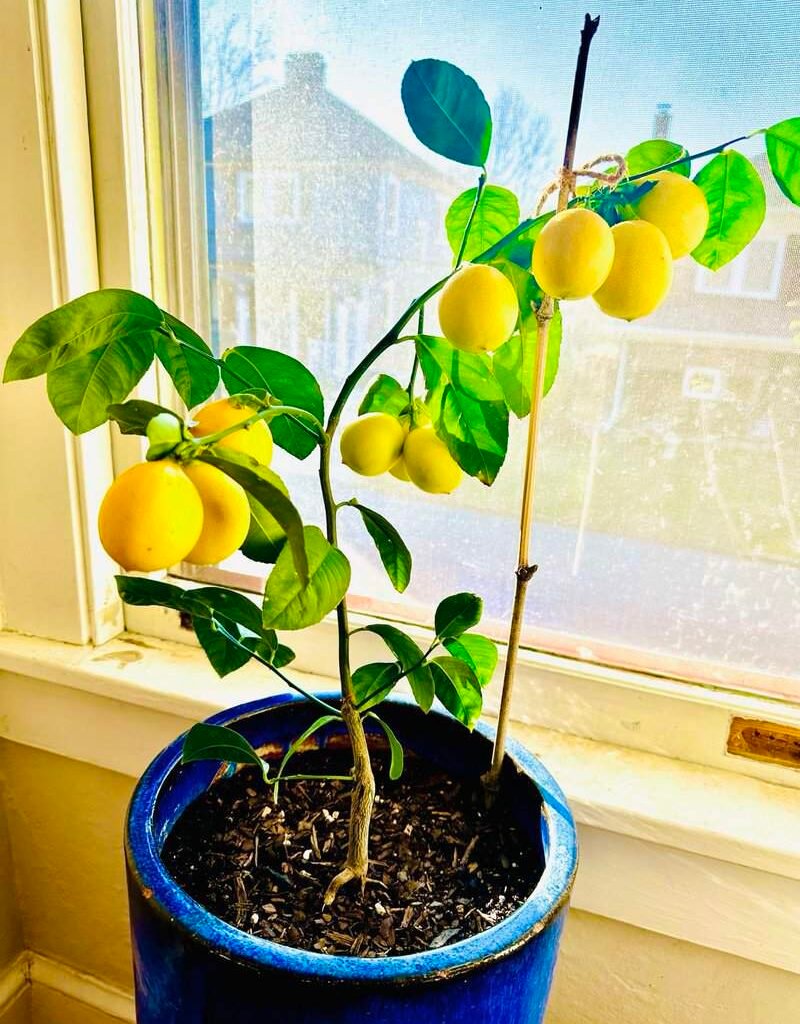
The first and most important step in growing Meyer lemons successfully is choosing the right pot.
- Size: Start with a pot that’s at least 18–24 inches deep and wide. As the tree matures, you can move it to a larger pot (up to 30 gallons). The bigger the container, the better the root growth and fruit production.
- Material: Choose a clay, ceramic, or high-quality plastic pot. Ensure it has multiple drainage holes to prevent waterlogging, which can cause root rot.
- Drainage: Place a layer of small stones or broken terracotta at the bottom to help excess water escape easily.
2. Selecting the Right Soil Mix
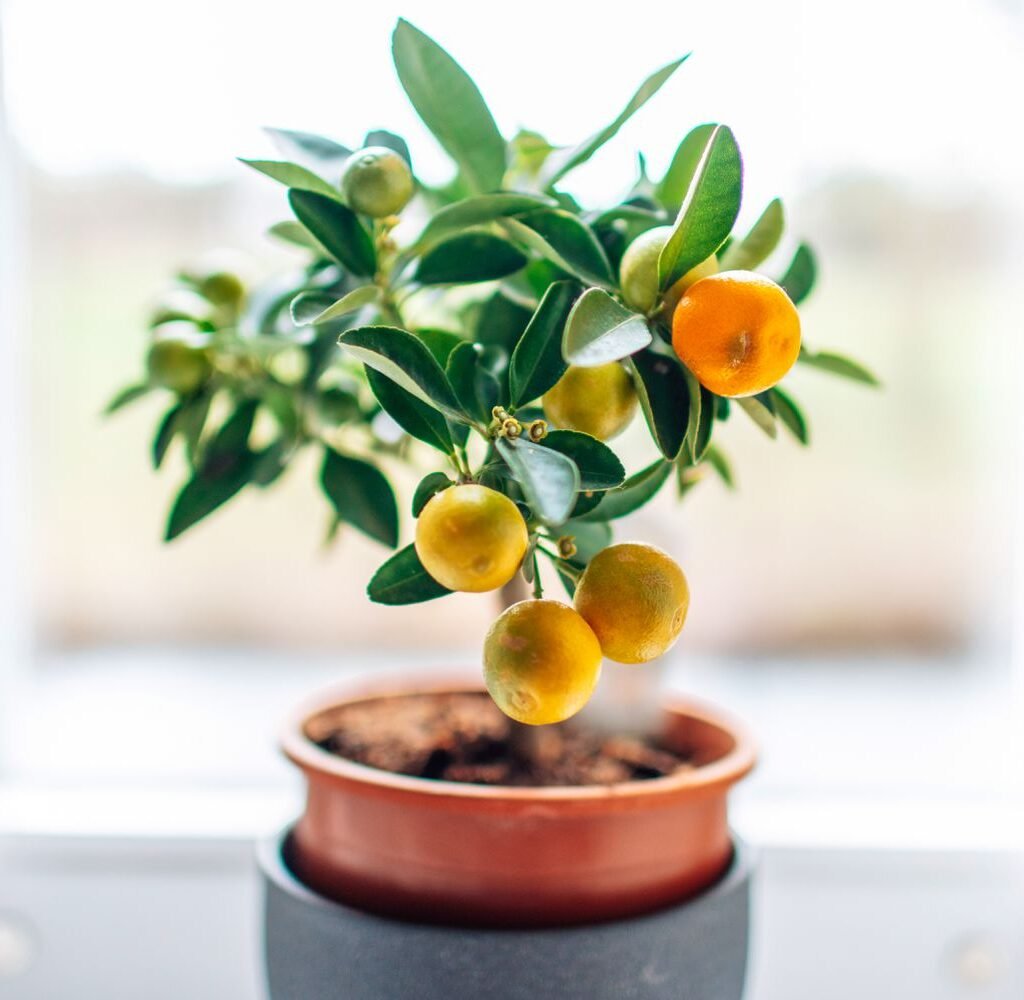
Meyer lemon trees love well-draining, nutrient-rich soil. Regular garden soil is too heavy and can hold too much moisture.

- Use a high-quality potting mix formulated for citrus or other fruiting trees.
- Mix in perlite or coarse sand for better aeration.
- You can also add compost or well-rotted manure to enrich the soil and provide essential nutrients.
- Keep the soil slightly acidic, with a pH between 5.5 and 6.5.
3. Choosing a Healthy Meyer Lemon Tree or Growing from Seed
You can either buy a young grafted Meyer lemon plant from a nursery or grow it from seed.
- Grafted plants are highly recommended because they produce fruit within 1–2 years and are more disease-resistant.
- Seed-grown trees, while fun to grow, can take 5–7 years or more to produce fruit and may not have the same quality as the parent plant.
If you decide to grow from seed:
- Extract seeds from a ripe Meyer lemon.
- Wash off the pulp and let them dry for a few hours.
- Plant seeds about ½ inch deep in a small container filled with moist potting mix.
- Cover with plastic wrap to create a greenhouse effect and keep the soil warm.
- Germination usually takes 2–3 weeks.
4. Planting Your Meyer Lemon Tree
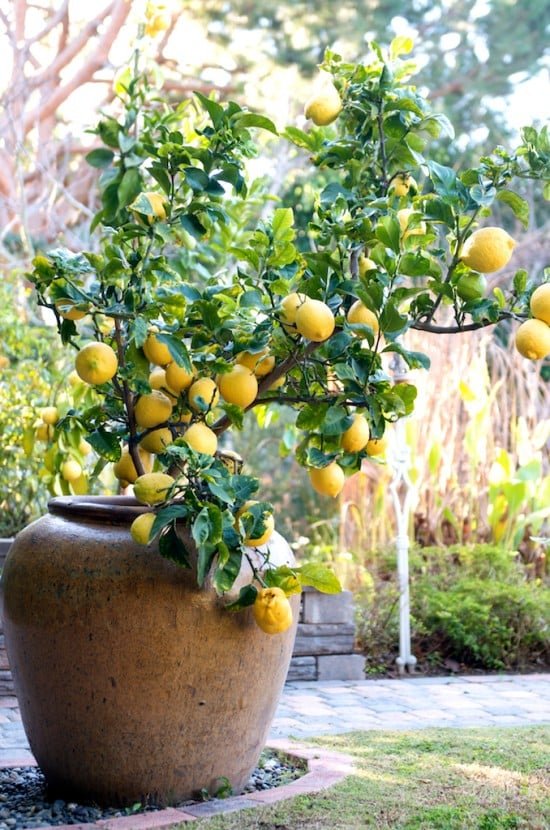
Once you have your young plant ready:
- Fill the container halfway with potting mix.
- Place the tree in the center, ensuring the root ball sits a few inches below the rim of the pot.
- Fill around the roots with more soil, firming it gently.
- Water thoroughly to settle the soil around the roots.
Make sure the graft union (the bump on the lower trunk) stays above the soil line to prevent rot.
5. Watering and Moisture Management
Meyer lemon trees need consistent moisture but hate soggy soil.

- Water deeply when the top 2 inches of soil feel dry to the touch.
- In summer, this might mean watering 2–3 times a week; in winter, reduce to once every 10–14 days.
- Use lukewarm water and ensure the pot drains completely.
- Misting the leaves occasionally helps maintain humidity, especially in dry climates or indoors.
6. Providing Adequate Sunlight
Meyer lemons are sun-lovers! They need at least 6–8 hours of direct sunlight daily to thrive.
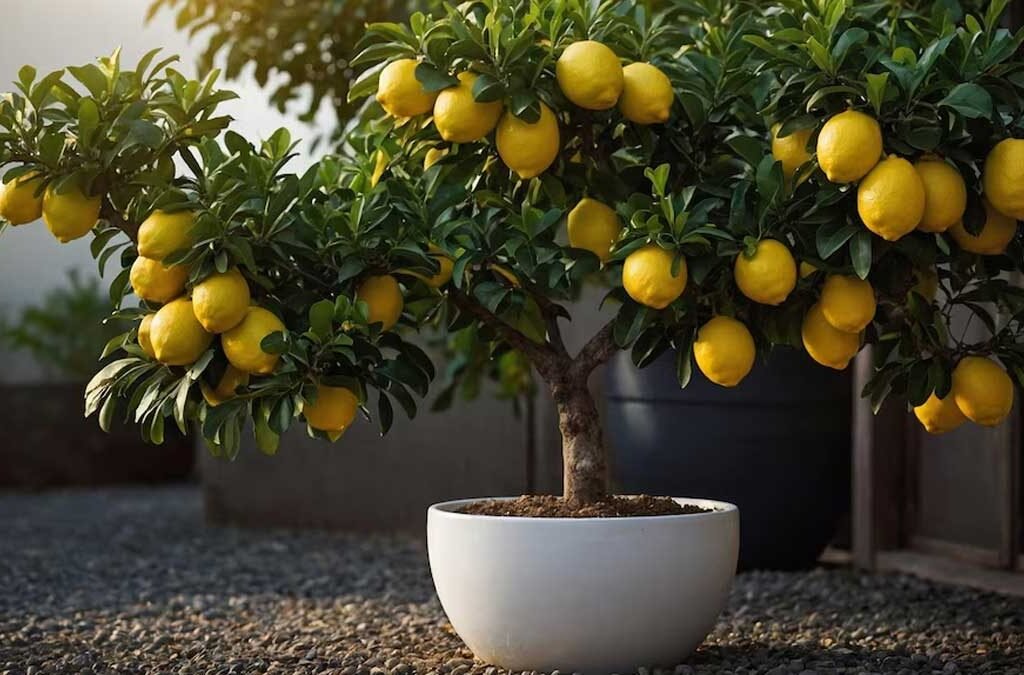
- If growing indoors, place the pot near a south-facing window.
- Use grow lights if natural sunlight is insufficient, especially in winter months.
- Rotate the pot every few weeks so that all sides of the plant receive equal light exposure.
7. Fertilizing for Healthy Growth
Feeding your lemon tree regularly is crucial for strong growth and abundant fruiting.
- Use a slow-release citrus fertilizer or a liquid fertilizer high in nitrogen and micronutrients like magnesium, zinc, and iron.
- Fertilize every 4–6 weeks during the growing season (spring to summer).
- Stop feeding in winter when the plant’s growth slows down.
If you notice yellowing leaves, it could indicate a nitrogen deficiency—a clear sign your tree needs a feeding boost.
8. Pruning and Maintenance
Pruning helps shape your tree, encourage new growth, and improve airflow.
- When to prune: Late winter or early spring before new growth starts.
- How to prune:
- Remove any dead or diseased branches.
- Cut off any suckers growing below the graft union.
- Trim lightly to maintain a balanced shape.
Regular pruning also encourages better fruit production and makes your container tree look neat and healthy.

9. Pollination Tips
Meyer lemons are self-pollinating, meaning one tree can produce fruit on its own. However, pollination rates increase if bees or pollinators visit the flowers.
If you’re growing your tree indoors, you can hand-pollinate by gently brushing a cotton swab or small paintbrush inside each flower to transfer pollen. This simple trick can greatly increase your fruit yield!
10. Protecting Your Tree from Pests and Diseases
Common pests include aphids, spider mites, and scale insects. To manage them naturally:
- Spray the leaves with a mixture of neem oil and water.
- Keep the plant clean by wiping dust off the leaves.
- Avoid overwatering, as it encourages fungal infections like root rot.
If you notice sticky leaves, curling foliage, or white webbing, inspect closely and take action early.
11. Winter Care and Temperature Management
Meyer lemon trees prefer temperatures between 15°C to 30°C (60°F to 85°F).

- If you live in a cold region, bring your container indoors before the first frost.
- Keep it in a bright, warm location away from cold drafts.
- Reduce watering but maintain moderate humidity by placing a humidifier or tray of water near the plant.
During winter dormancy, your tree may shed some leaves, which is normal. They’ll regrow once spring arrives.
12. Harvesting Your Meyer Lemons
Meyer lemons typically take 6–9 months to mature after flowering.
- The fruits are ready to harvest when they turn deep yellow with a slight orange tint and feel slightly soft to the touch.
- Use scissors or pruning shears to cut the fruit from the branch rather than pulling it off.
Harvesting regularly encourages new blooms and keeps your plant productive throughout the year.
13. Common Problems and Quick Fixes
- Yellow Leaves: Usually caused by nutrient deficiency or overwatering.
- No Flowers or Fruits: Insufficient sunlight or lack of fertilizer.
- Leaf Drop: Sudden temperature changes or dry indoor air.
Address these issues early, and your Meyer lemon tree will bounce back beautifully.
Final Thoughts
Growing Meyer lemons in containers is a fantastic way to bring the taste and scent of citrus right to your home, even if you don’t have a garden. With proper care, your tree will reward you with fragrant flowers and juicy lemons year after year.

Whether you’re placing it on a sunny balcony or near a kitchen window, a Meyer lemon tree is a perfect combination of beauty, fragrance, and productivity—making it one of the best fruit trees you can grow in pots.

Leave A Comment