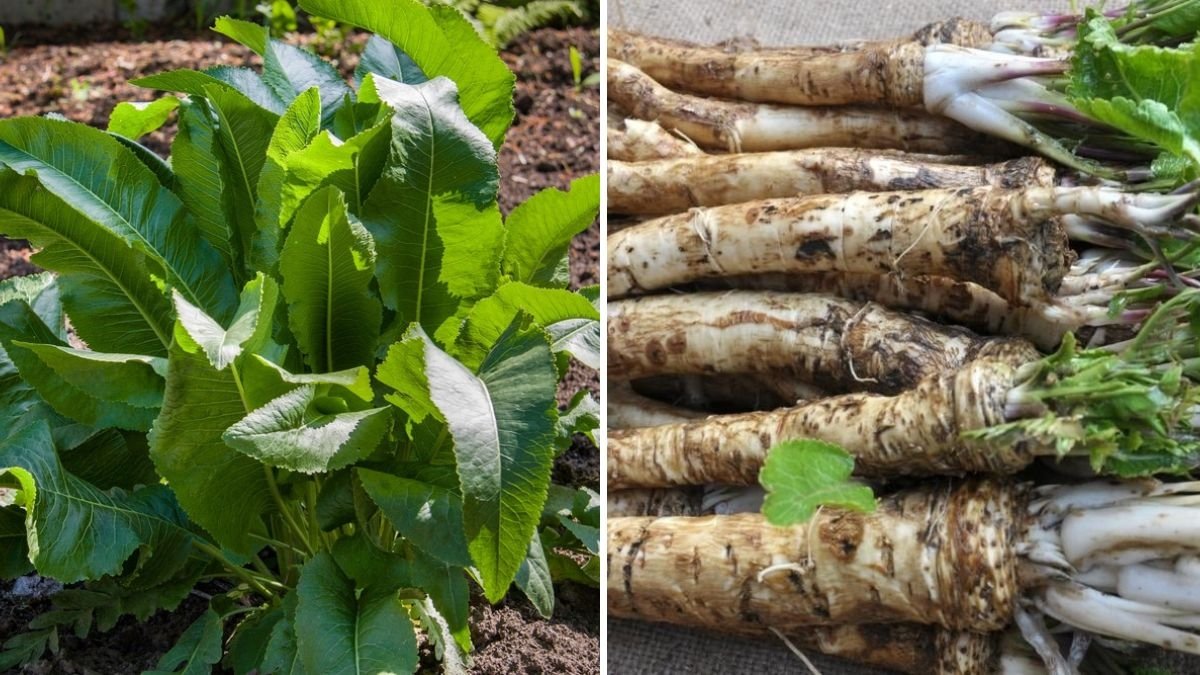
Few garden crops deliver the same bold, fiery punch as horseradish. This pungent root vegetable has been prized for centuries for its sharp, sinus-clearing flavor and countless culinary uses—from zesty sauces to pickled condiments. But to fully enjoy its flavor and potency, knowing when and how to harvest horseradish is crucial.
In this comprehensive guide, we’ll walk through everything you need to know about harvesting and preparing horseradish—from recognizing when it’s ready to dig up, to cleaning, peeling, and storing it properly. Whether you’ve grown it in your garden or inherited a patch that’s been spreading for years, this guide will help you make the most of every root.
What Makes Horseradish So Special?
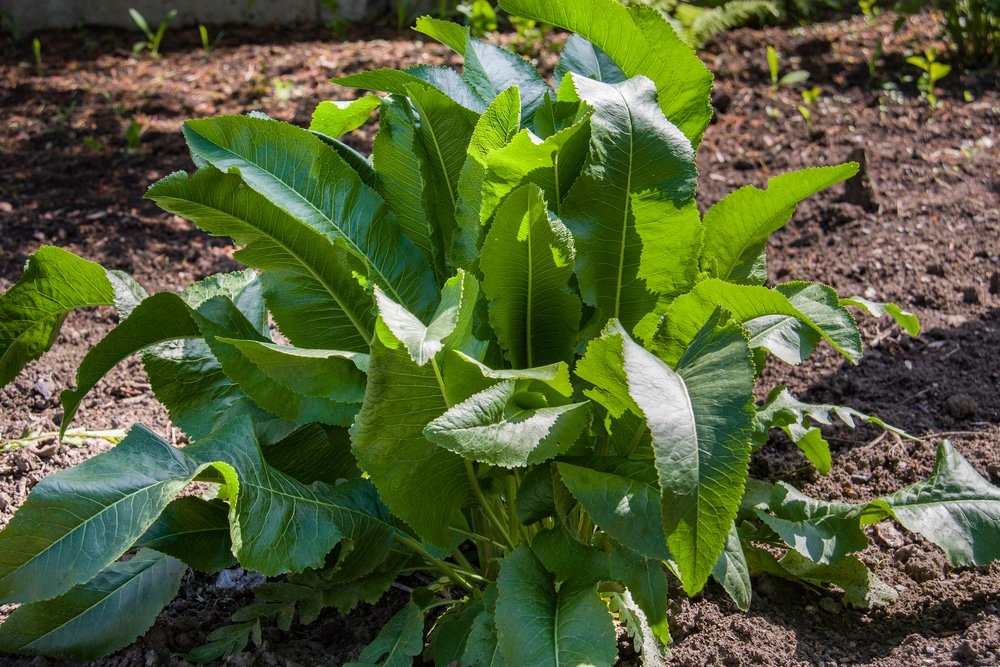
Horseradish (Armoracia rusticana) is a hardy perennial plant from the mustard family (Brassicaceae), related to cabbage, radish, and wasabi. It’s best known for its powerful aroma and spicy flavor, which intensifies when the root cells are crushed.
What’s fascinating about horseradish is that its heat isn’t capsaicin-based like chili peppers—it comes from volatile compounds called isothiocyanates, which are released when the root is grated or chopped. These compounds give fresh horseradish that eye-watering kick and distinctive taste we associate with roast beef, seafood, or cocktail sauces.
Besides its bold flavor, horseradish offers several benefits:
- High in vitamin C and antioxidants
- Natural digestive aid
- Antibacterial properties
- Boosts metabolism and circulation
But to enjoy all of these, timing and proper preparation are key.
When to Harvest Horseradish
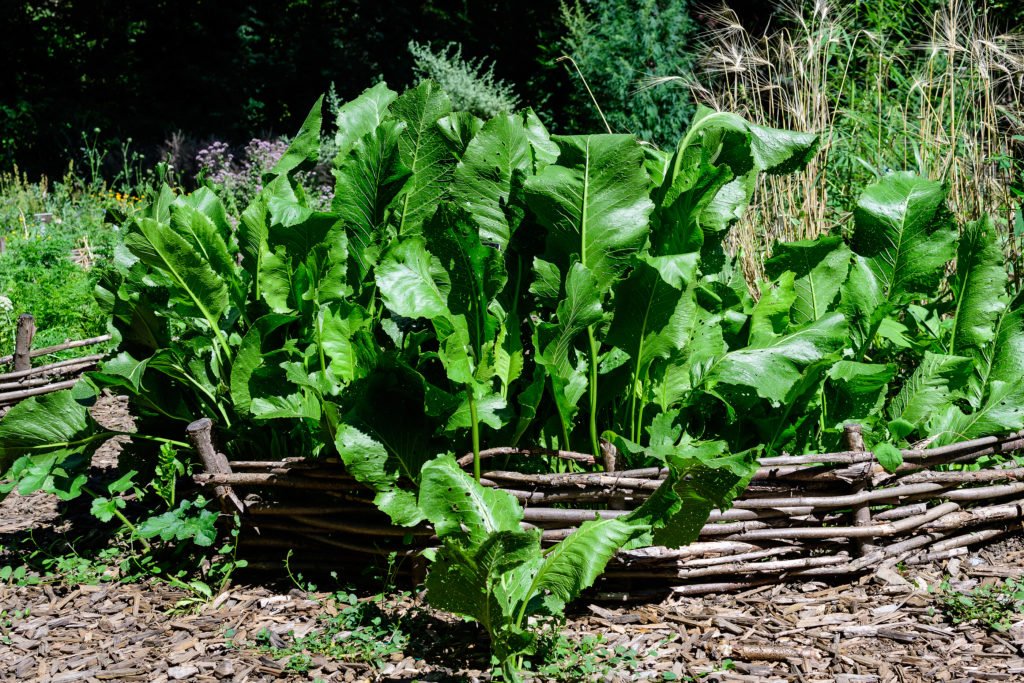
The timing of your harvest can make a huge difference in flavor, texture, and storage quality.

1. Ideal Harvest Season
Horseradish is usually ready for harvest in late fall, after the first few frosts. The cold weather helps concentrate the root’s oils and sharpness, giving it a stronger flavor. In most regions, this means October through early December.
If you live in a mild climate, you can also harvest in early spring before new growth begins. However, fall-harvested roots generally have the best taste and storage potential.
2. Signs Your Horseradish Is Ready
Here’s how to tell when it’s time to dig up your horseradish:
- The leaves begin to yellow or die back, signaling the plant is entering dormancy.
- The root crown feels thick and firm when gently probed.
- Plants are at least one year old—horseradish roots need a full growing season to develop size and flavor.
If you planted horseradish this spring, it’s best to wait until the following fall for your first harvest.
How to Harvest Horseradish
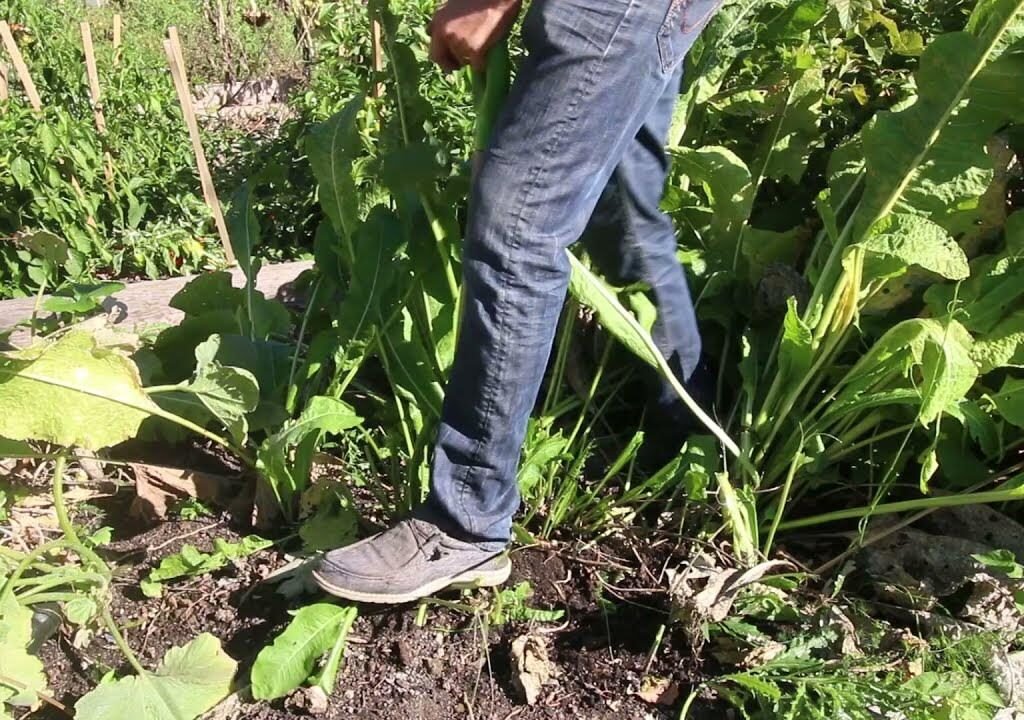
Harvesting horseradish requires a bit of effort, but the results are well worth it. The roots can grow deep and wide, so patience and care are important to avoid damaging them.
1. Loosen the Soil First
Start by cutting back the leaves to about 2–3 inches above the crown. Use a garden fork or spade to loosen the soil around the plant, starting about 6–8 inches away from the crown to avoid slicing into the main root.
2. Lift the Root Gently
Carefully lift the root from underneath, shaking off excess soil as you go. Horseradish roots can reach depths of up to 18 inches or more, so take your time.

You’ll likely find several roots growing from a central crown—the thick main root (the one you’ll prepare and eat) and several side roots or “sets” that can be replanted for next year’s crop.
3. Select the Best Roots
Choose firm, thick, straight roots for preparation. These are the ones with the most flavor and easiest texture to work with. Save smaller side roots (about pencil thickness) to replant in spring.
Replanting for Next Season
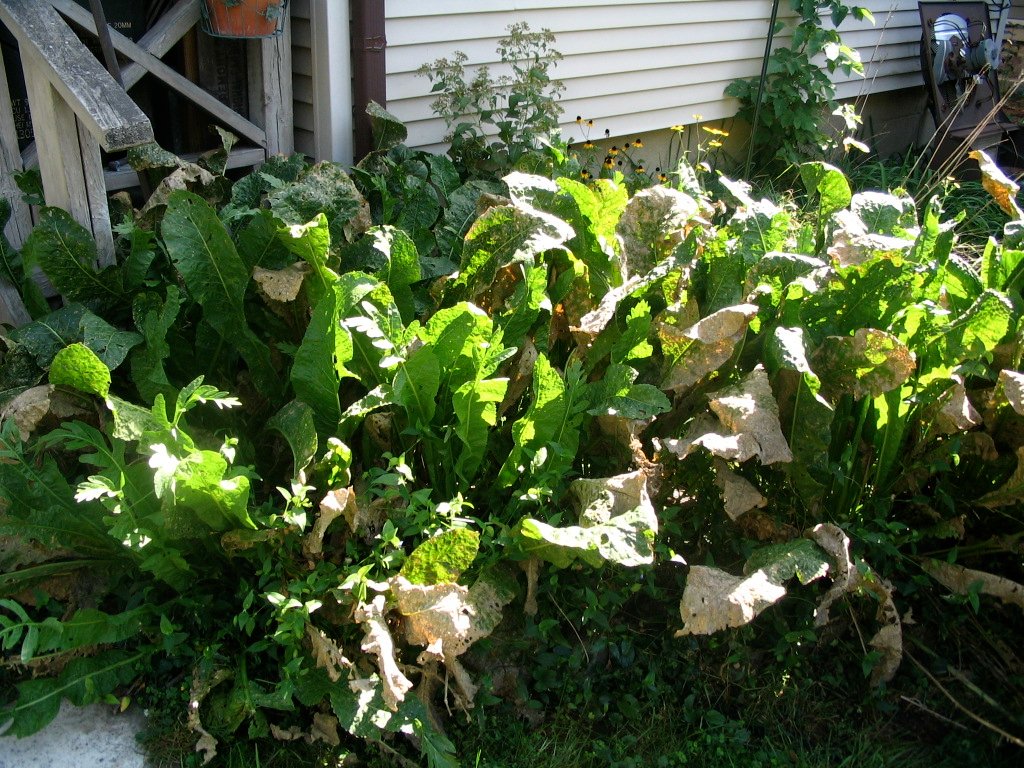
Horseradish is a perennial, meaning it can grow back year after year. To maintain productivity and prevent overcrowding, it’s a good idea to dig up and divide the roots every fall.
After harvesting:
- Select a few healthy, pencil-thick side roots about 8–10 inches long.
- Replant them at a 45-degree angle, about 2 inches below the soil surface, with the top end slanted upward.
- Space plants 18 inches apart to allow for proper root development.
This ensures a continuous supply of fresh horseradish for years to come.
Cleaning and Preparing Fresh Horseradish
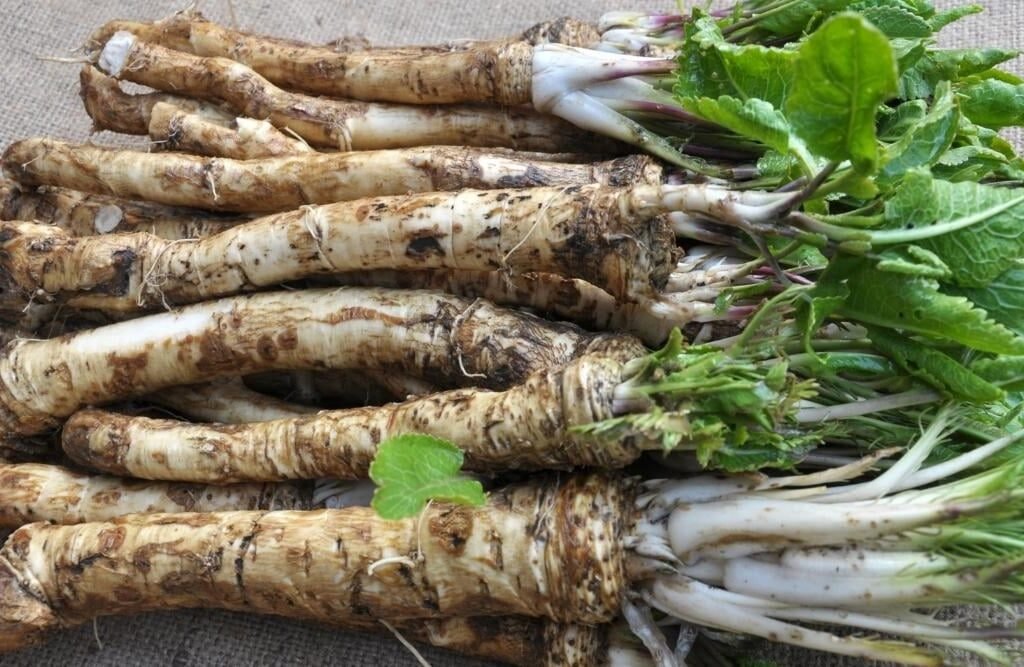
Once your roots are harvested, it’s time to prepare them for storage or immediate use.
1. Washing the Roots
Rinse roots thoroughly under cool running water to remove soil. Use a brush or scrub pad to clean off any stubborn dirt. Horseradish roots can be knobby, so make sure to get into all crevices.

2. Peeling
Using a vegetable peeler or small knife, peel off the thin brown outer layer to reveal the white, aromatic flesh underneath. If the root is particularly large or fibrous, trim away any woody sections.
3. Cutting into Pieces
Cut the peeled root into smaller sections, about 2–3 inches long. This makes it easier to grate or blend later.
Tip: Work in a well-ventilated area! Freshly grated horseradish releases strong fumes that can make your eyes water.
How to Make Fresh Horseradish Sauce
Homemade horseradish sauce is easy to make and much more flavorful than store-bought versions. Here’s a simple method:
Ingredients:
- 1 cup peeled, chopped horseradish root
- ½ cup white vinegar
- 2 tablespoons cold water
- ½ teaspoon salt
- Optional: sugar or cream for milder flavor
Instructions:
- Place the chopped horseradish and water in a food processor or blender. Pulse until finely grated.
- Wait 30–60 seconds after grating before adding vinegar—this timing controls the heat level.
- Add vinegar immediately for a milder flavor.
- Wait a minute or more for a hotter, more intense flavor.
- Add salt and blend until smooth.
- Transfer to a clean glass jar, seal tightly, and refrigerate.
Freshly prepared horseradish will keep in the fridge for 3–4 weeks, though the flavor gradually mellows over time.
Storing Fresh Horseradish
If you’re not using all your harvest right away, there are several ways to preserve it:
1. Refrigeration
Wrap unpeeled roots in a damp paper towel and place them in a plastic bag in the vegetable crisper. They’ll stay fresh for 1–2 months.

2. Freezing
Grate or chop horseradish and mix with a little vinegar before freezing in airtight containers or ice cube trays. While freezing can dull the flavor slightly, it’s a great option for long-term storage.
3. Pickling
Pickled horseradish is another traditional way to preserve it. Combine grated horseradish with vinegar, sugar, and salt, then store in sterilized jars. This method not only extends shelf life but also adds a tangy kick perfect for sauces and marinades.
Culinary Uses for Horseradish
Horseradish’s fiery flavor complements a wide range of dishes across cuisines. Here are some popular ways to enjoy it:
- Classic Roast Beef Sauce:
Mix prepared horseradish with sour cream or mayonnaise for a creamy, spicy sauce that pairs beautifully with roasted meats. - Seafood Companion:
Combine horseradish with ketchup and lemon juice for a homemade cocktail sauce—perfect for shrimp or oysters. - Flavor Booster:
Add a spoonful to mashed potatoes, deviled eggs, or salad dressings for extra zing. - Fermented Condiment:
Blend with beets to make traditional Eastern European beet-horseradish relish (known as ćwikła in Polish cuisine). - Medicinal Uses:
Fresh horseradish has long been used as a natural remedy for colds, sinus congestion, and digestive issues.
A Few Cautions When Handling Horseradish
- Ventilation is key: The fumes can be intense when grating or blending fresh roots. Open a window or use a fan if possible.
- Avoid touching your eyes: Always wash your hands thoroughly after handling raw horseradish.
- Use gloves if you have sensitive skin: The enzymes can cause mild irritation in some people.
Growing Tips for Future Harvests
If you’re planning to grow horseradish again, here are a few quick tips:
- Plant in full sun and loose, rich soil for best results.
- Water regularly but don’t overwater—horseradish prefers slightly moist, not soggy, soil.
- Harvest annually to prevent roots from becoming woody or invasive.
- Rotate planting areas every few years to avoid disease buildup.
Horseradish is a resilient, low-maintenance crop that thrives with minimal attention. Once established, it often produces enough roots to share with friends or trade with fellow gardeners.
Final Thoughts
Harvesting and preparing horseradish is one of the most satisfying experiences for home gardeners. Few plants offer such a powerful mix of flavor, health benefits, and ease of growth. By timing your harvest right and following proper preparation methods, you can enjoy fresh, fiery horseradish all year long.
Whether you love it in sauces, salads, or as a traditional side for hearty meals, fresh horseradish brings a unique, invigorating flavor to the table that store-bought versions simply can’t match.

So grab your garden fork, dig up those roots, and discover why freshly prepared horseradish is one of the most rewarding—and flavorful—harvests your garden can offer.

Leave A Comment