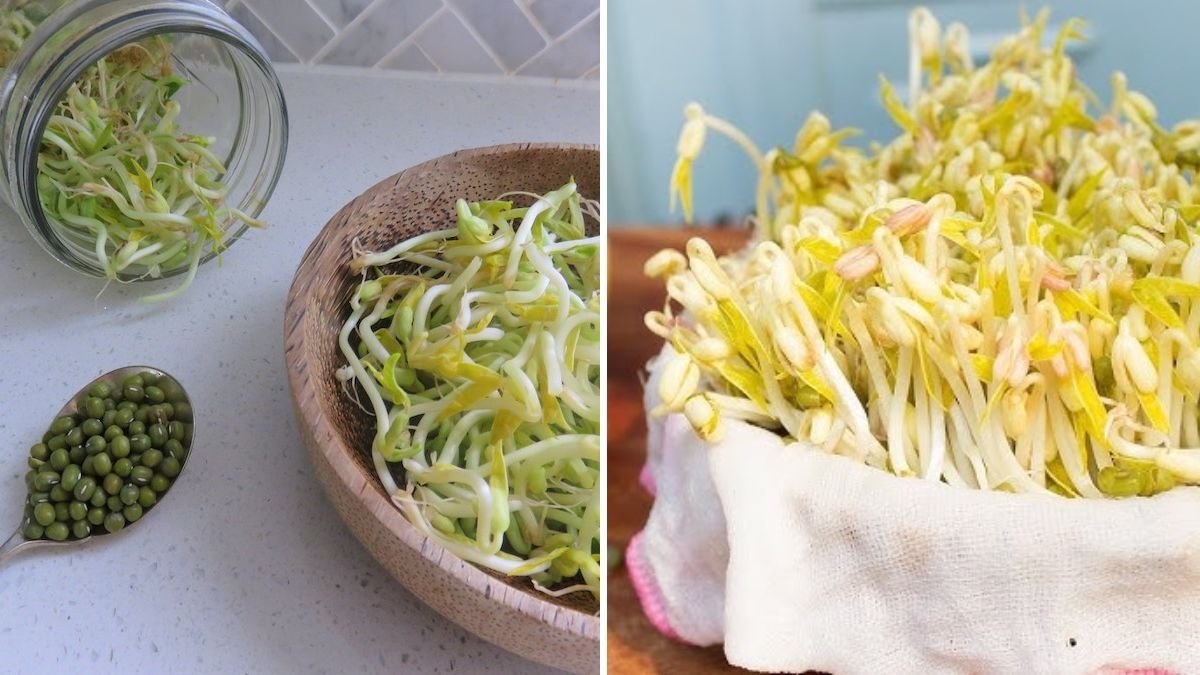
If you’ve ever wanted to add a burst of nutrition and freshness to your meals without spending much time or money, bean sprouts are the perfect choice. These tiny powerhouses of vitamins, minerals, and enzymes can be grown right in your kitchen—no soil, no fancy equipment, and no outdoor space required!
Inspired by the video “The Kitchen Garden! Easiest Method to Grow Bean Sprouts in 6 Days!”, this guide will walk you through every step of growing your own crunchy bean sprouts using a simple, foolproof method. Whether you live in an apartment or have a large garden, this technique is quick, clean, and rewarding.
Why Grow Bean Sprouts at Home?
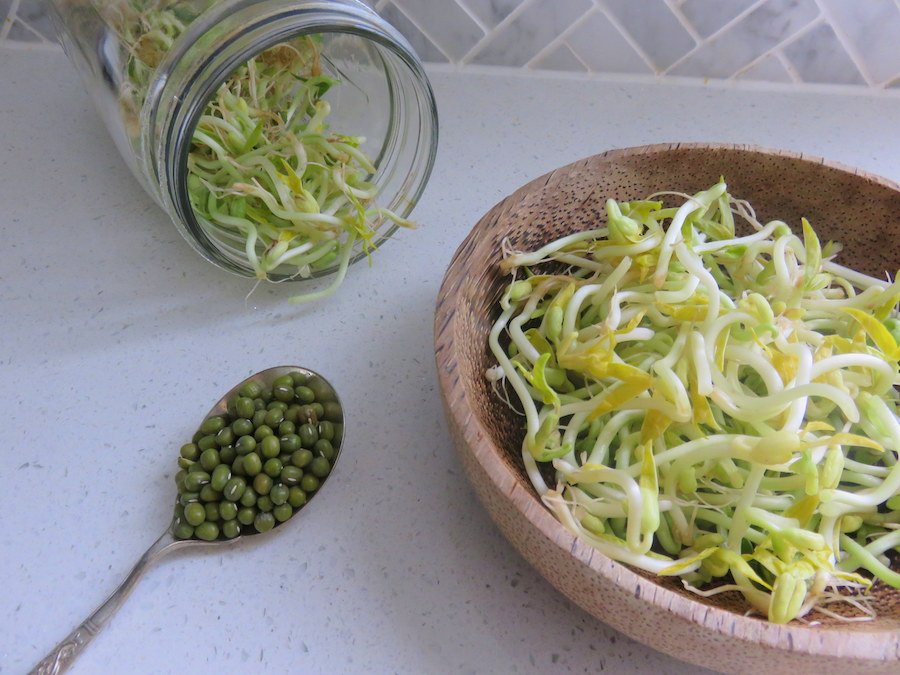
Bean sprouts are more than just a tasty salad topping—they’re a superfood packed with nutrients. Growing them at home ensures you get the freshest, most chemical-free sprouts possible. Here are a few key benefits:
- Highly Nutritious:
Sprouts are loaded with vitamins A, B, C, and E, along with minerals like calcium, iron, and magnesium. They’re also rich in protein and antioxidants that boost your immune system and improve digestion. - Budget-Friendly:
A handful of mung beans (or any other sprouting bean) can produce a jar full of sprouts, saving you money while ensuring quality. - No Space Needed:
You can grow sprouts on your kitchen counter—no soil, sunlight, or garden required. - Fast Results:
In just 6 days, you’ll have a ready-to-eat, crunchy, and nutritious addition to your meals.
Choosing the Right Beans
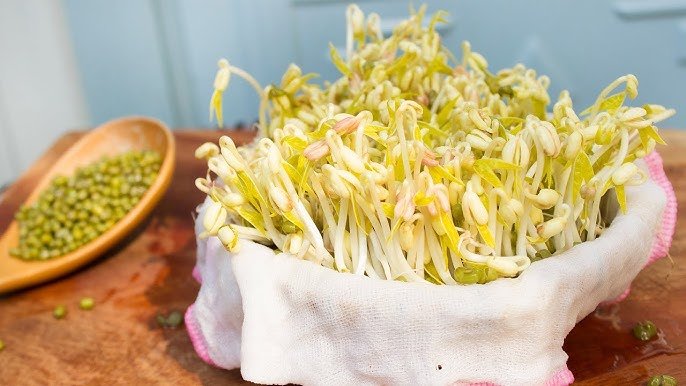
Before you begin, it’s essential to choose the right kind of beans for sprouting. The most common and reliable options are:
- Mung Beans: The most popular sprouting bean, producing crisp, juicy sprouts.
- Soybeans: A bit larger and slightly nutty in flavor, perfect for stir-fries.
- Lentils: Soft and earthy, excellent in salads and soups.
- Chickpeas (Garbanzo Beans): Great for a hearty crunch and protein boost.
Make sure to buy organic, untreated, whole beans—the kind meant for sprouting, not cooking. Chemical-treated or split beans won’t sprout properly.

What You’ll Need
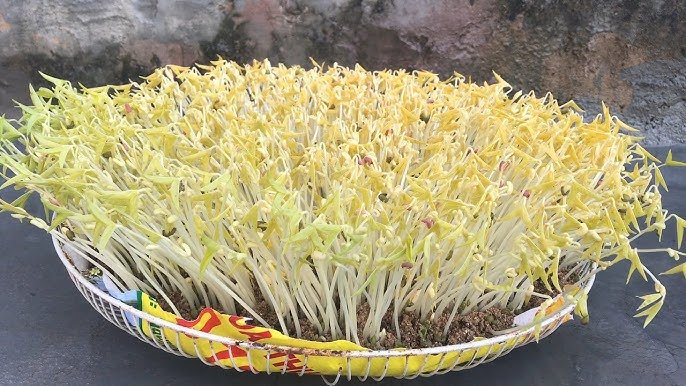
You don’t need fancy sprouting kits or trays. Here’s what you’ll need from your kitchen:
- 1 cup of mung beans (or your preferred bean)
- A large glass jar or a bowl
- A piece of muslin cloth or cheesecloth
- A rubber band or string
- Clean water
- A dark, well-ventilated space (like a kitchen cabinet)
That’s it—simple, clean, and eco-friendly!
Step-by-Step: Grow Bean Sprouts in 6 Days
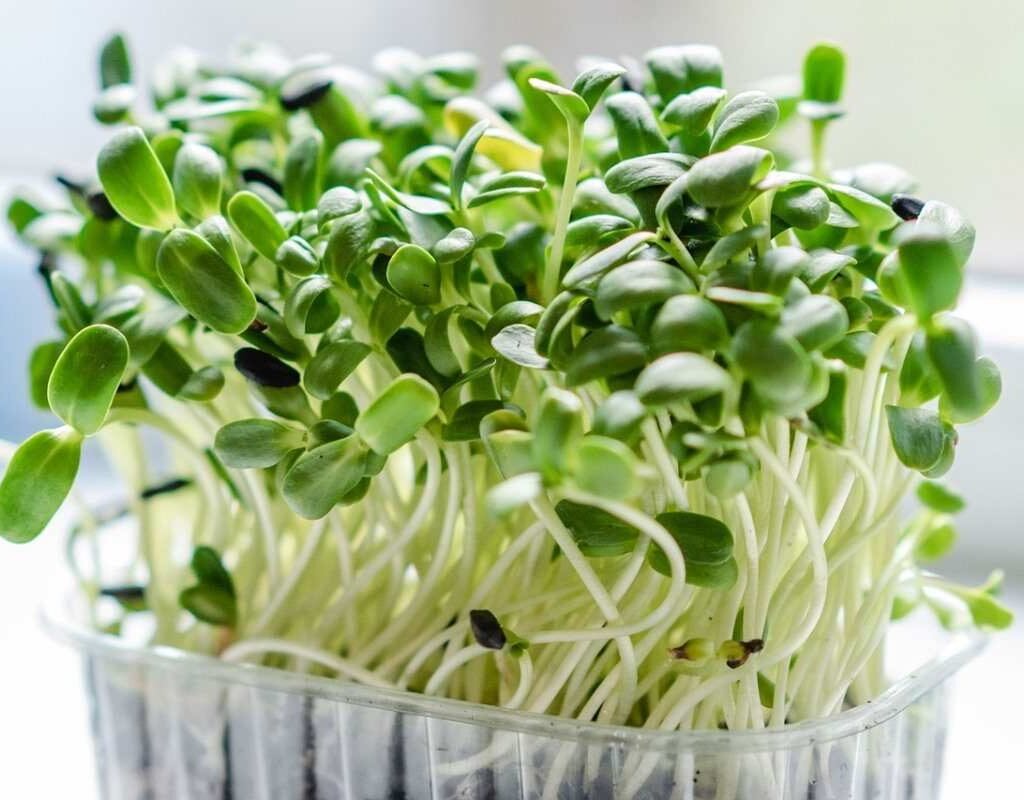
Let’s break down the easiest method to grow perfect bean sprouts right at home.
Day 1: Soak the Beans
Start by rinsing your beans thoroughly in clean water to remove any dirt or dust. Then, place them in a bowl or jar and add three times the amount of water as beans (for example, 1 cup beans + 3 cups water).
Let them soak overnight (8–10 hours). This helps the beans absorb moisture and activates the enzymes that trigger germination.

Tip: Use filtered or clean drinking water for best results.
Day 2: Drain and Rinse
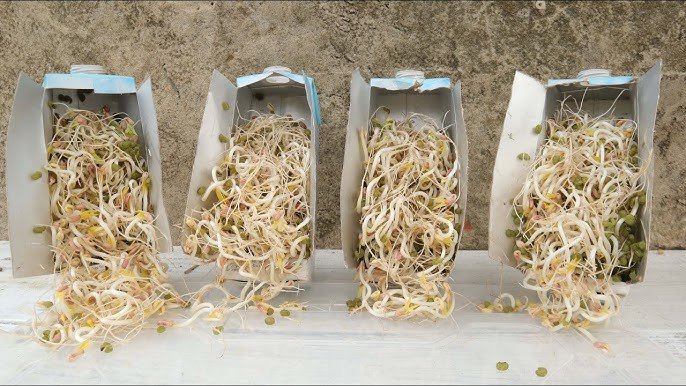
After soaking, you’ll notice the beans have swollen and softened. Drain the water completely using the muslin cloth or a fine mesh sieve. Rinse the beans again with clean water and drain thoroughly.
Next, cover the jar’s mouth with the muslin cloth and secure it with a rubber band. Turn the jar upside down at a slight angle to allow excess water to drain out while letting air circulate.
Keep the jar in a dark, cool place—like inside a kitchen cabinet. Sunlight can make the sprouts turn green and bitter.
Day 3 to 5: Rinse and Drain Daily
For the next few days, rinse the beans twice a day—once in the morning and once in the evening. Each time, fill the jar with water, swirl gently, and drain completely. This keeps the sprouts moist but not soggy and prevents mold growth.

You’ll start to see small white shoots emerging from the beans by Day 3. By Day 5, the sprouts should be longer and plump, filling most of the jar.
Day 6: Harvest Time!
By Day 6, your bean sprouts should be fully grown—white, crunchy, and ready to eat. Rinse them one last time and drain well. You can store them in an airtight container in the refrigerator for up to 4–5 days.
Make sure they are completely dry before refrigeration to prevent spoilage.
How to Use Bean Sprouts in Your Meals
Bean sprouts are incredibly versatile and can be used in almost any dish for added crunch, nutrition, and freshness. Here are some delicious ways to enjoy them:
- Salads:
Toss bean sprouts into green salads for a crisp texture and earthy flavor. - Stir-Fries:
Add sprouts at the end of your vegetable stir-fry to retain their crunch. - Soups and Noodles:
Use them as a garnish for Asian-style noodle soups or ramen bowls. - Sandwiches and Wraps:
Layer fresh sprouts in wraps, sandwiches, or burgers for extra nutrition. - Smoothies:
Add a handful to green smoothies for a subtle, earthy taste and a nutrient boost.
Tips for Perfect Sprouts Every Time
- Keep them moist, not wet:
Too much water can lead to mold. Always drain thoroughly after rinsing. - Avoid direct sunlight:
Store in a dark, well-ventilated area for pale, crisp sprouts. - Use clean utensils:
Hygiene is crucial—always wash your hands, jars, and cloths before handling sprouts. - Don’t overcrowd:
Beans expand a lot as they sprout. Use a large enough container to allow air circulation. - Harvest early:
Sprouts taste best when young and tender—don’t let them overgrow or they’ll turn fibrous.
Health Benefits of Bean Sprouts
Bean sprouts are not just tasty—they’re incredibly good for you. Here’s why they deserve a regular spot in your diet:

- High in Enzymes:
The sprouting process multiplies enzymes that aid digestion and nutrient absorption. - Boosts Immunity:
Rich in antioxidants and vitamins, sprouts strengthen your immune system. - Supports Weight Loss:
Low in calories and high in fiber, sprouts keep you full for longer. - Improves Heart Health:
The potassium and magnesium in sprouts help regulate blood pressure and support heart function. - Great for Skin and Hair:
Vitamin C and E in sprouts promote glowing skin and healthy hair growth.
Sustainable and Eco-Friendly Gardening
One of the best parts about growing bean sprouts is that it’s completely eco-friendly. There’s no soil, no fertilizers, and no plastic waste. You can even reuse your sprouting water for watering other plants—it’s nutrient-rich and gentle.
It’s a small but meaningful way to reduce waste and grow your own food sustainably, right from your kitchen counter.
Troubleshooting Common Issues
Even though sprouting is simple, a few problems can arise if the conditions aren’t right. Here’s how to handle them:
- Foul Smell:
This usually means too much moisture. Drain thoroughly and reduce rinsing frequency. - Mold Growth:
Mold occurs in warm, humid conditions. Rinse with cool water and ensure proper air circulation. - Slow Growth:
Beans might be old or the temperature too cold. Use fresh beans and keep them in a slightly warm, dark place.
Final Thoughts
Growing bean sprouts is one of the easiest, most rewarding kitchen gardening activities you can do. In just six days, you’ll transform a handful of dry beans into a jar full of living, nutrient-rich food.
It’s not just about convenience—it’s about reconnecting with nature, even in the smallest of ways. Whether you’re a beginner gardener, a health enthusiast, or someone looking to reduce food waste, bean sprouting is the perfect start.

So go ahead—set aside a jar, soak some beans tonight, and in less than a week, you’ll have a fresh, homegrown superfood right in your kitchen!

Leave A Comment