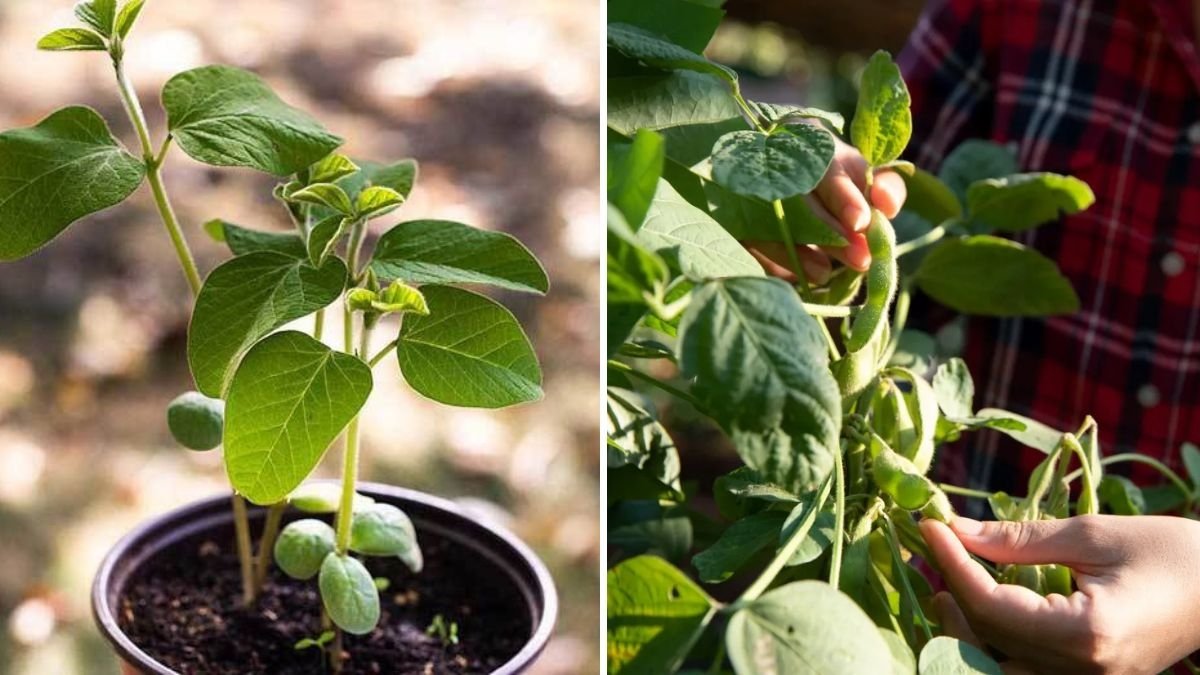
If you’ve ever enjoyed the delicious, nutty taste of edamame at a Japanese restaurant and wondered how amazing it would be to grow your own at home — you’re in for a treat! Growing soybeans, or edamame, is easier than you might think, and it’s an excellent addition to any home garden. These vibrant green pods not only make for a healthy, protein-rich snack but also help enrich your soil with nitrogen, making them a perfect crop for sustainable gardening.
In this comprehensive guide, we’ll walk you through everything you need to know to grow, harvest, and enjoy your own edamame, right from seed to plate!
What Is Edamame?
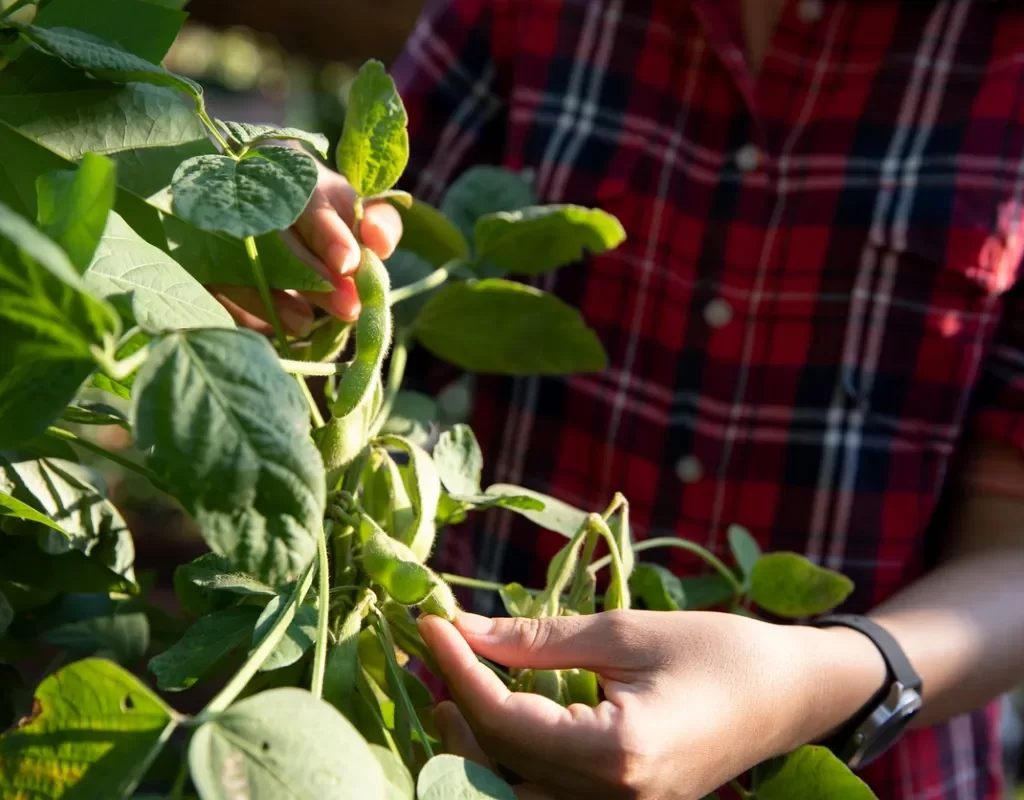
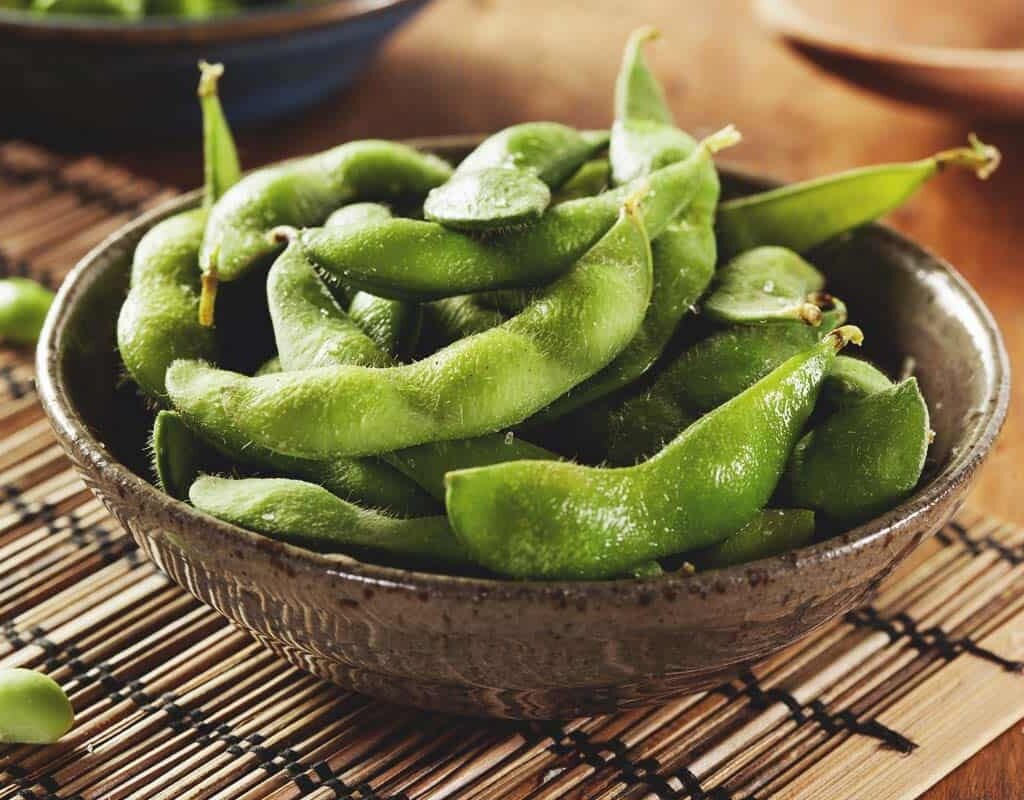
Edamame is the Japanese name for young, green soybeans that are harvested before they fully mature. Unlike the hard, dry soybeans used for tofu, oil, or soy milk, edamame beans are soft, sweet, and packed with nutrition when picked at the right time.
They’re a rich source of plant-based protein, fiber, and essential amino acids. One cup of edamame offers around 17 grams of protein — making it a favorite among vegetarians and health enthusiasts.
Why Grow Edamame at Home?
Before we dive into the growing process, here are a few reasons why cultivating edamame is totally worth it:

- Nutrient-rich and fresh: Homegrown edamame tastes sweeter and fresher than store-bought frozen versions.
- Soil-friendly: Like other legumes, soybeans fix nitrogen in the soil, improving fertility for future crops.
- Space-efficient: Edamame plants don’t require much space and can even be grown in containers.
- Pest-resistant: These hardy plants are relatively low-maintenance and resistant to many common garden pests.
- Healthy harvest: You get an abundant source of vitamins, minerals, and plant-based protein right in your backyard.
Step 1: Choose the Right Variety
When growing edamame, selecting the right variety is crucial. Some common and reliable types include:
- Midori Giant: A high-yielding, large-pod variety.
- Envy: Ideal for cooler climates; matures in about 75 days.
- Chiba Green: Compact growth and high-quality pods.
- Butterbean: Excellent flavor and easy to shell.
Choose a variety suited to your local climate and the length of your growing season (generally 70–100 days).
Step 2: Prepare the Growing Site
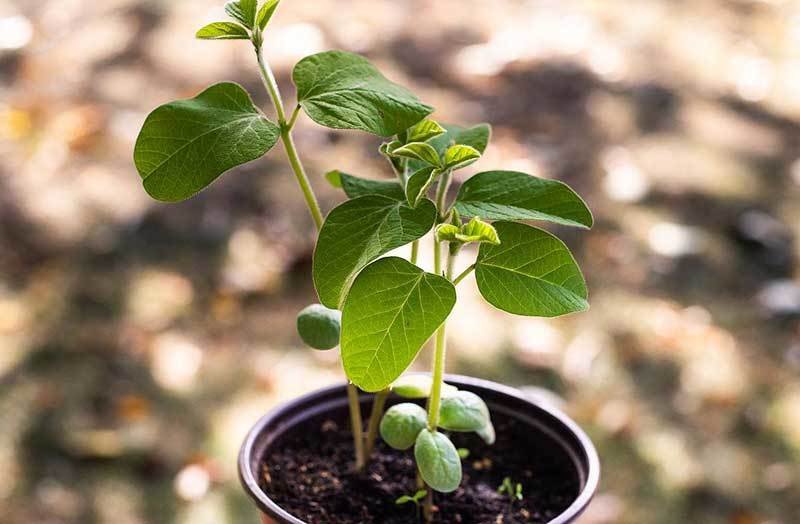
Edamame thrives best in full sun and well-drained soil. Follow these preparation steps:
- Location: Choose a sunny spot that receives at least 6–8 hours of sunlight per day.
- Soil Type: Loamy, slightly acidic to neutral soil (pH 6.0–7.0) is ideal.
- Enrich the Soil: Mix in organic compost or well-rotted manure to improve fertility and texture.
- Drainage: Avoid soggy spots, as waterlogged soil can cause root rot.
You can grow edamame directly in the ground or in large containers with at least 12–14 inches depth.
Step 3: Planting Edamame Seeds
Timing is key. Plant the seeds after the last frost, when soil temperatures reach about 60–70°F (16–21°C). Here’s how to plant:

- Soak Seeds: Soak soybean seeds in water for 8–12 hours before planting to encourage faster germination.
- Spacing: Sow seeds 1 inch deep and 3–4 inches apart, with rows spaced about 18–24 inches apart.
- Watering: After planting, water gently but thoroughly to moisten the soil.
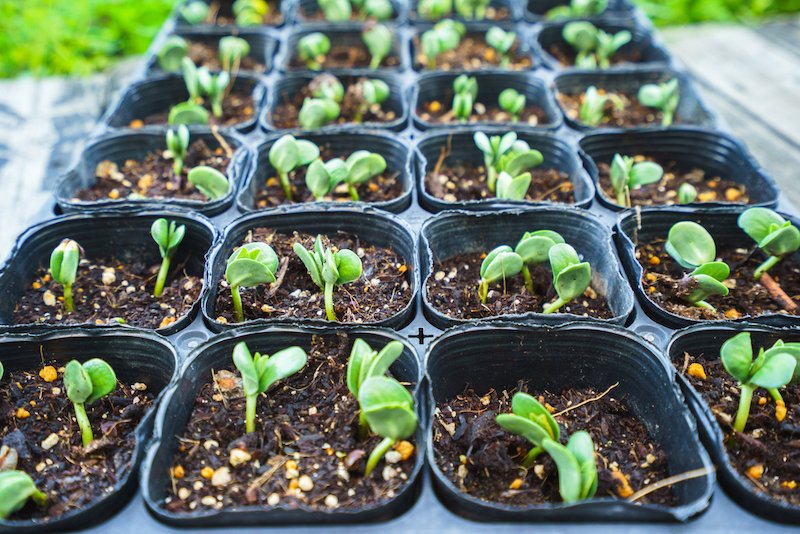
- Container Planting: If growing in containers, sow 3–4 seeds per pot, thinning out weaker seedlings later.
Tip: Avoid planting soybeans in the same spot as other legumes (like peas or beans) from the previous year to prevent disease buildup.
Step 4: Watering and Maintenance
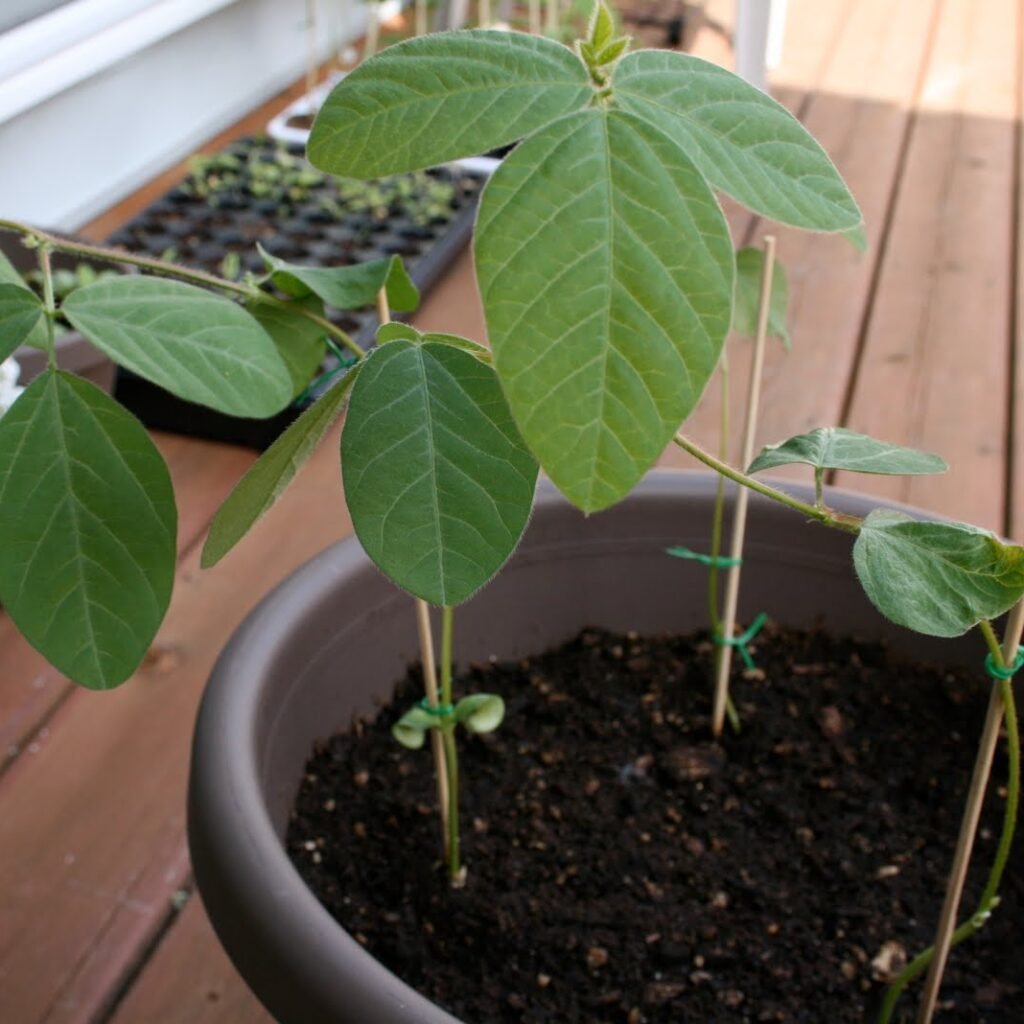
Soybeans need consistent moisture, especially during flowering and pod formation. Here’s how to care for your plants:
- Watering: Provide about 1 inch of water per week. Keep the soil evenly moist but never soggy.
- Mulching: Apply a layer of organic mulch (straw or dried leaves) to retain moisture and suppress weeds.
- Weeding: Keep the area around your plants weed-free to avoid competition for nutrients.
- Fertilizing: Generally, edamame doesn’t require much fertilizer since it fixes its own nitrogen. However, a light application of balanced organic fertilizer at planting time can give it a boost.
Step 5: Monitor Growth and Flowering
Edamame plants grow about 2 feet tall and begin to flower after 6–8 weeks. These small white or purple blooms signal the start of pod development.
- Pollination: Soybeans are self-pollinating, so you don’t need to worry about pollinators.
- Support: The plants are generally sturdy, but in windy areas, gentle staking can prevent damage.
- Pests & Diseases: Watch for aphids, Japanese beetles, or slugs. Neem oil or insecticidal soap works well for minor infestations. Avoid overwatering to prevent root diseases.
Step 6: Harvesting Edamame
Timing is everything when harvesting edamame for the best flavor.
- When to Harvest: Pick pods when they’re bright green, plump, and about 80% full, usually 70–90 days after planting.
- How to Harvest: Use scissors or garden shears to cut pods from the plant, or pull up the entire plant if all pods are mature.
- Harvest Window: Don’t wait too long — overripe pods turn yellow and lose their sweetness.
Freshly picked edamame should be consumed or preserved immediately to lock in flavor.

Step 7: Storing and Cooking Edamame
Once harvested, you can either enjoy your edamame fresh or store it for later use.
To Store:
- Refrigerate: Fresh pods can be kept in the fridge for up to 2–3 days.
- Freeze: Blanch pods in boiling water for 3–4 minutes, then plunge them into ice water. Drain and freeze in airtight bags for up to 6 months.
To Cook:
- Boil the pods in salted water for 4–5 minutes until tender.
- Drain and sprinkle with sea salt or seasoning.
- Pop the beans out of the pods and enjoy as a snack or side dish!
You can also toss cooked edamame into salads, soups, stir-fries, or rice bowls for added nutrition.
Health Benefits of Edamame
Growing your own edamame isn’t just rewarding — it’s a great investment in your health. Here are some top benefits:

- Rich in Plant Protein: A perfect meat alternative for vegetarians and vegans.
- Heart-Healthy: Contains omega-3 fatty acids and lowers bad cholesterol.
- Bone Strength: High in calcium, magnesium, and vitamin K.
- Weight Management: High fiber and protein help you feel full longer.
- Antioxidant Power: Isoflavones and vitamins in edamame help reduce inflammation and improve overall wellness.
Companion Planting Tips
To maximize garden productivity, try companion planting your edamame with crops that benefit from nitrogen fixation. Good companions include:
- Corn: Soybeans enrich the soil for corn growth.
- Cucumber: Both thrive under similar conditions.
- Carrots: Benefit from nitrogen-rich soil left by soybeans.
Avoid planting near onions or garlic, as they can stunt soybean growth.
Sustainable Gardening Bonus
Edamame not only feeds you — it feeds your garden, too! When the growing season ends, leave the plant roots in the soil. As they decompose, they release nitrogen, naturally fertilizing your garden for the next crop. This makes soybeans a perfect choice for eco-friendly and organic gardening.
Enjoying Your Homegrown Edamame
Once you’ve mastered growing edamame, the best part is enjoying the fruits (or beans!) of your labor. Here are some simple serving ideas:
- Sprinkle boiled edamame with sea salt and chili flakes for a spicy snack.
- Add shelled beans to pasta or fried rice for a protein boost.
- Blend them into edamame hummus for a healthy dip.
- Mix into grain bowls or salads for extra flavor and nutrition.
Final Thoughts
Growing edamame at home is a fun, simple, and rewarding gardening experience. With minimal effort, you can enjoy a bountiful harvest of nutrient-packed, delicious soybeans that are perfect for healthy eating. Whether you have a small balcony garden or a large backyard, edamame fits right in — giving you fresh flavor, soil health, and a sustainable crop all in one.

So grab your seeds, prepare your soil, and start cultivating your own edamame today. You’ll be amazed by how easy it is to grow — and how satisfying it feels to enjoy those bright green pods straight from your garden to your plate!

Leave A Comment